What matters when choosing
For gardening podcasts in a shared bedroom, decide which issue would most affect your choice: private playback, intelligible speech, comfort in bed or a reliable phone connection. Then check the fit and connection of the particular pair you are considering.
| Concern |
What to check |
Who this matters to |
| Private playback |
Try the supplied tip sizes for a secure seal, and assess leakage at your usual listening volume. Treat advertised attenuation as a model-specific claim, not a leakage guarantee. |
If you share a bedroom, you want the podcast to remain audible to you without troubling the person nearby; around 36% of consumers put private playback first. |
| Speech at a comfortable volume |
Try familiar spoken audio and check that voices remain intelligible without turning the volume up to overcome a poor fit. |
When a gardening presenter speaks softly, following the words matters more to you than pronounced bass; around 29% of consumers make speech clarity at a comfortable volume their primary concern. |
| Fit and cable comfort |
Check tip pressure, earpiece profile and cable position while sitting or lying as you normally would. |
For listening while relaxing in bed, an earpiece that presses against your ear or a cable that catches can interrupt the session. Around 21% of consumers put fit and comfort first. |
| Phone connection and controls |
Confirm the plug or adapter supports headphone audio; if needed, check the specific cable’s microphone and controls. |
If your phone is your podcast player, a connection that works with your device matters before any sound preference; around 14% of consumers prioritise connection and controls. |
Wired in-ear options on Joybuy
These wired in-ear options relate to listening to gardening podcasts in a shared bedroom. Choose between them by checking your device connection first, then the available tips and how the earpieces feel in your usual listening position; neither listing establishes how much sound a bedroom companion will hear.
 No image available
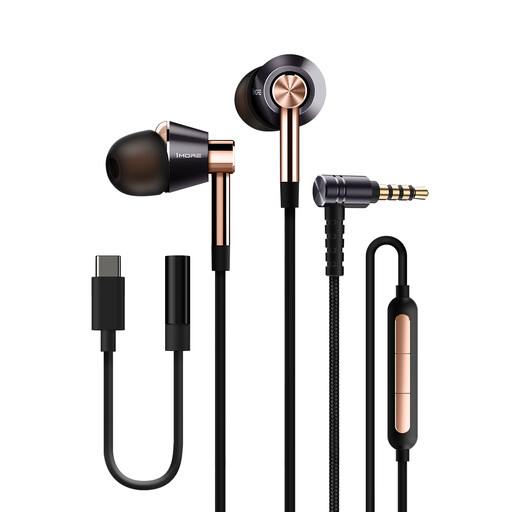
1MORE E1001 Triple Driver wired in-ear earphones, Gold
Consider these if you want wired podcast listening and an in-cable microphone. The product name identifies a MEMS microphone and Triple Driver design; check the connector against your phone or adapter and assess the tip fit before relying on them for private bedroom listening.
View on Joybuy
 No image available
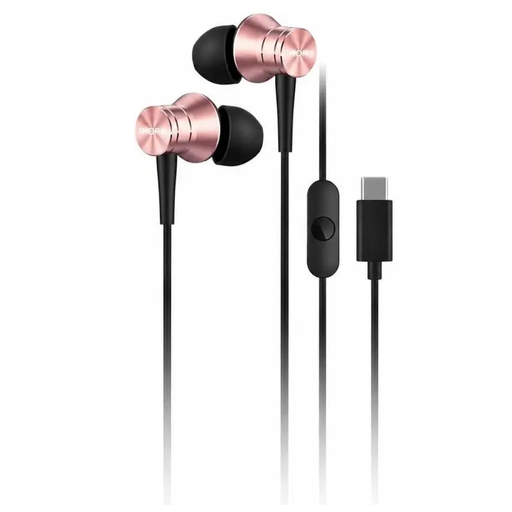
1MORE Piston P10 Type-C wired earphones, Pink
Consider these for wired listening from a device that supports USB-C audio. The product name identifies the Type-C version; check your device’s audio support, then assess the seal and comfort where you normally listen.
View on Joybuy
Common questions
Do I need active noise cancellation for podcasts in a shared bedroom?
Not necessarily: a well-fitting, passive-isolating in-ear monitor is worth considering when you want to follow speech without raising the volume. Check the seal and leakage at your usual listening level rather than assuming a quoted attenuation figure predicts what another person will hear.
Can I connect wired in-ear monitors directly to my phone?
Only when the plug matches an audio connection your phone supports; otherwise you may need a compatible audio adapter. If you want cable controls or calls, confirm microphone support separately. Shure, for example, specifies a 3.5 mm connection for the wired AONIC 215.
How loud and how long should I listen?
Keep the volume only as high as needed to hear comfortably and take breaks. Royal Free London NHS Foundation Trust advises no more than 60% of maximum volume, no more than an hour of headphone use at a time and at least a five-minute break each hour; a better tip seal may help when room noise makes speech difficult to follow.
What should I do if one earphone starts sounding quieter?
Check the maker’s cleaning instructions for the earphone nozzle before assuming the earpiece has failed. Shure notes that wax or debris in a nozzle can reduce apparent output; NHS Cheshire and Merseyside advises against putting cotton buds or other objects into the ear canal.
What if an online pair does not fit comfortably?
Check the seller’s return conditions before opening the earphones, including any condition or hygiene requirements. Citizens Advice describes a general 14-day change-of-mind cooling-off period for eligible online purchases from a business, starting the day after receipt; check whether an exception applies to the particular goods. Remedies for faulty or misdescribed goods are separate from a change-of-mind return.


