Listeners contending with carriage noise
If train noise competes with interview voices, a well-sealing tip and passive isolation may matter more to you than extra controls. Shure and Etymotic describe isolation features for their respective models.


Start with an in-ear fit that stays comfortable and seals well against carriage noise, rather than relying on higher volume to follow quiet speech. If calls and controls matter, check the cable and your device connection; if vocal balance or a secure over-ear fit matters more, assess those separately. Manufacturer isolation figures are model-specific claims, not a guarantee of what you will hear on a train.
If train noise competes with interview voices, a well-sealing tip and passive isolation may matter more to you than extra controls. Shure and Etymotic describe isolation features for their respective models.
If you pause interviews to take calls, check both the source connection and the supplied cable. Shure describes a microphone and remote on the AONIC 215’s detachable 3.5 mm communication cable.
If you listen through lengthy conversations, vocal presentation and a fit you can wear comfortably deserve attention. Sennheiser describes balanced tuning for the IE 200, while Sony describes fit-supporting parts on the IER-M500.
For craft interviews on a train, check the ear-tip seal first, then decide whether speech presentation, device controls or long-wear fit is your main deciding factor.
| Concern | What to check | Who this matters to |
|---|---|---|
| Isolation and seal | Check the supplied tip choices and whether they form a comfortable, stable seal. Treat model-specific attenuation figures as manufacturer claims. | When carriage noise covers quiet answers, I want a good seal rather than simply turning up the volume; around 40% of consumers would put isolation first. |
| Speech presentation | Listen to a familiar spoken recording at a comfortable level; do not use driver count alone to judge vocal clarity. | To follow names and conversational detail, I care about how voices sound throughout an interview; around 30% of consumers would make speech presentation their primary concern. |
| Connection and controls | Confirm your device supports the stated connection and that the exact variant includes any microphone or remote you need. | If I move between listening and calls, the cable must work with my device; around 20% of consumers would prioritise connection and controls. |
| Fit and upkeep | Consider tip comfort and over-ear cable routing, then check the model’s guidance on cleaning and replacement sleeves. | On a longer journey, I need the earpieces to stay comfortable and secure; around 10% of consumers would put fit and upkeep first. |
A poor seal can undermine isolation. Shure and Etymotic state attenuation figures for particular models, but those claims are not interchangeable train-use measurements.
Check the supplied tips and assess both seal and comfort before relying on an isolation claim.
A wired earphone is only useful with a compatible source or adapter, and a microphone is not included with every monitor-style cable.
Check your device’s audio output and the exact cable supplied with your chosen variant.
A device without the required socket may need a compatible adapter or a different cable.
Isolation can make announcements or nearby instructions harder to notice. The Health and Safety Executive raises awareness of this risk in workplace hearing-protection guidance; that guidance is not a rule for ordinary train passengers.
Pause audio or remove an earpiece when navigating a platform or listening for staff and safety information.
Worn sleeves or debris can affect fit and sound. Shure advises replacing sleeves that shred or stop sealing and following its earphone-cleaning instructions.
Inspect the tips and nozzle, and use the cleaning method specified for your model.
Degraded sleeves may need replacing to restore a reliable fit.
The SE215 and AONIC 215 are wired, sound-isolating options to consider when train noise competes with speech.
The ER2XR is an option for listeners willing to assess tip fit closely in pursuit of passive isolation.
The IE 200 is a compact wired option for listeners interested in Sennheiser’s balanced-tuning approach to spoken material.
The IER-M500 takes a professional monitor-style approach to keeping the earpieces and cable in place.
These wired in-ear options address listening and device-connection needs in different ways. The Sony IER-EX15C is described as an earbud rather than a monitor-style IEM, so check its fit for train listening on its own merits.
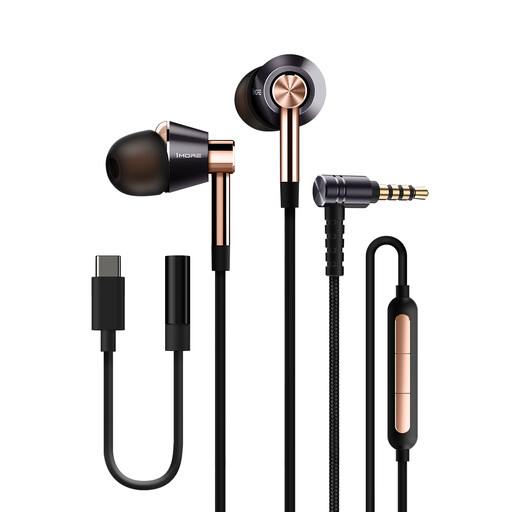 No image available
Consider these wired earphones if you want a microphone for interruptions during an interview. The product name specifies a MEMS microphone; confirm the connector suits your device and check the seal before relying on isolation in a carriage.
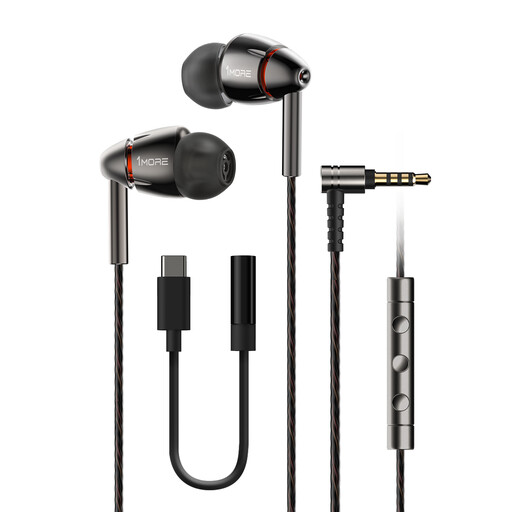 No image available
These wired earphones may suit a listener who wants controls for switching between interviews and calls. The product name specifies a MEMS microphone and inline remote; check the exact connector, tip fit and comfort for your journey.
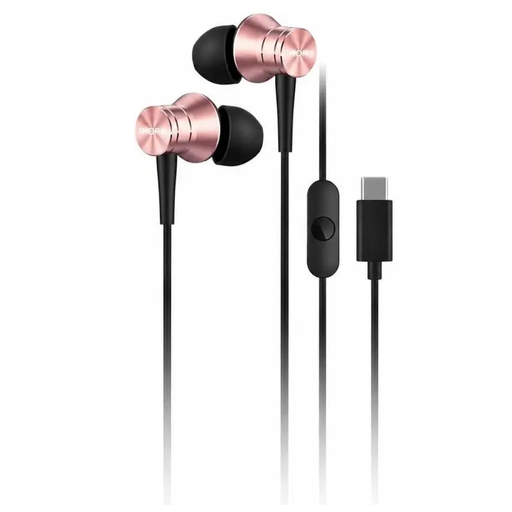 No image available
Consider this Type-C version if your device supports audio through that connection. Check the ear-tip seal for carriage noise and confirm the contents of the pink variant before ordering.
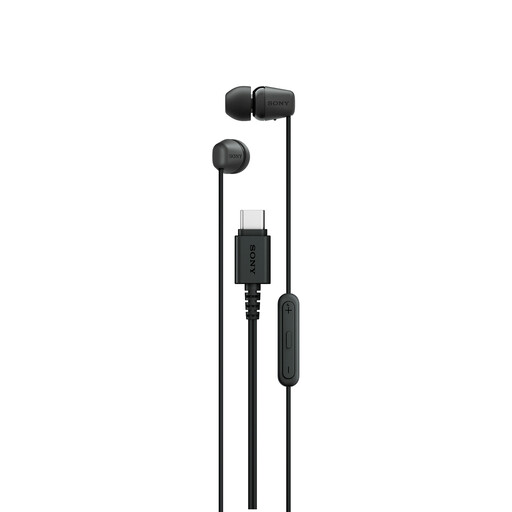 No image available
These wired earbuds are an option if your device supports USB-C audio. Assess their fit against train noise rather than assuming they isolate like a monitor-style model.
Start by finding a comfortable seal rather than using higher volume to compensate for outside noise. Shure and Etymotic state passive-isolation figures for specific models, but those figures do not establish your listening level or what you will hear on a particular journey. Stay alert when announcements or staff instructions matter.
It will connect directly only if the device supports the earphone’s connection and audio output. Shure specifies a 3.5 mm communication cable for the AONIC 215, and Sennheiser specifies a 3.5 mm plug for the IE 200; check your own port and any adapter you plan to use.
Follow the cleaning instructions for your particular model and replace tips that no longer fit or seal properly. For its earphones, Shure advises holding the nozzle downward during cleaning and avoiding pushing the cleaning tool deeper into it.