Train learners distracted by carriage noise
If rumble or nearby conversation obscures words, focus on a stable ear-tip seal and the conditions behind any stated isolation figure.


For spoken lessons on a train, start with in-ear monitors that seal comfortably and connect to your lesson device; a secure fit can help you follow dialogue without simply raising the volume. Choose inline controls if you often pause lessons or take calls, but treat manufacturers’ isolation figures as claims rather than directly comparable results for train travel. Pause playback or remove an earpiece when you need to hear journey information.
If rumble or nearby conversation obscures words, focus on a stable ear-tip seal and the conditions behind any stated isolation figure.
If you listen through full lessons on regular journeys, look for fit options you can wear comfortably while keeping the volume modest.
If your lesson device has a suitable audio output, a wired pair may suit you; check separately whether its cable has the microphone and playback controls you want.
Check the connection to your lesson device, then weigh seal and comfort against how much awareness of your surroundings you need during the journey.
| Concern | What to check | Who this matters to |
|---|---|---|
| Speech over train noise | Look for tip sizes that give you a secure seal. Read isolation figures as manufacturer claims unless their test methods are comparable. | When carriage noise obscures word endings, I need to follow the dialogue without turning the volume up; around 42% of consumers put speech intelligibility first. |
| Comfort and stable fit | Check the supplied tip options and whether the fit remains comfortable over a full lesson; do not force a painful seal. | For a longer journey, I need earphones that stay in place without becoming uncomfortable. Around 33% of consumers make sustained fit their primary concern. |
| Connection and controls | Match the plug to your device or a compatible adapter, and check for a microphone and remote if you need them. | If I pause lessons or take calls from the same device, I need the connection and controls to work as intended; roughly 25% of consumers prioritise this practical setup. |
Etymotic states 35–42 dB attenuation for ER2XR, while Shure states that AONIC 215 blocks up to 37 dB. Those manufacturer figures alone do not establish which pair will make dialogue clearer on a particular train.
Use the figures to identify models to investigate, then assess fit options and whether you can understand speech at a restrained volume.
The researched Shure AONIC 215 and Sennheiser IE 200 use 3.5 mm plugs. A device without a matching output needs a compatible audio adapter, and the controls you want may depend on that adapter.
Check your device’s audio output and confirm adapter support for the microphone or remote if you need those functions.
The World Health Organization advises keeping listening levels down; sound level, listening duration and frequency all affect hearing risk.
Try a comfortable, secure seal first, keep the volume modest and take listening breaks.
Rail Delivery Group describes the use of on-train announcements for journey information. Isolating earphones can make those messages harder to notice.
Pause playback or remove an earpiece near stations, during disruption or whenever you need to hear an announcement.
The wired AONIC 215 is worth considering if you want a detachable 3.5 mm cable with an inline microphone and remote.
The wired IE 200 offers a compact fit with adjustable ear hooks for listeners who want to tailor how their earphones sit.
The ER2XR may interest listeners willing to spend time finding a comfortable seal and considering a model with a stated passive-attenuation range.
These wired in-ear options are relevant if you want to listen to lessons from a compatible device and consider a microphone for calls. Check each connector and ear-tip fit before deciding; their inclusion does not establish comparable isolation on a train.
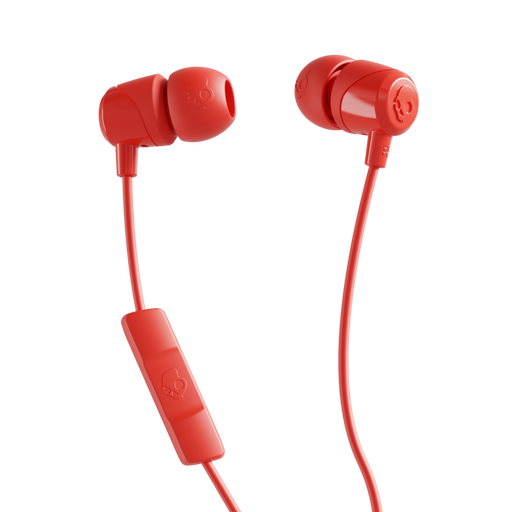 No image available
Consider this wired option if your lesson device supports audio through USB-C and you want a microphone. Confirm your device’s USB-C audio compatibility and whether the fit remains comfortable through a lesson.
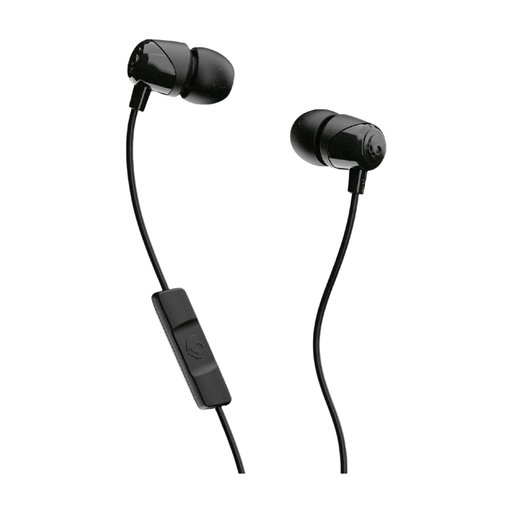 No image available
This wired pair suits a lesson device with a 3.5 mm audio output, or one with a compatible adapter, if you also want a microphone. Check the ear-tip fit before relying on it for longer journeys.
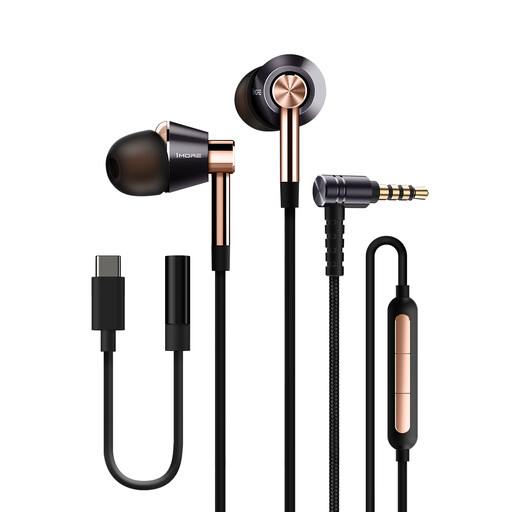 No image available
Consider this wired model if you want in-ear lesson listening with a microphone. Confirm the cable connector matches your device and check that the ear tips give you a comfortable seal.
Start with a secure, comfortable seal rather than choosing by an isolation number alone. Manufacturers’ figures may use different test methods, so also consider whether you can follow dialogue at a modest volume without losing awareness of information you need during the journey.
It will work only if its plug matches your device’s audio output or a compatible adapter. Shure AONIC 215 and Sennheiser IE 200 have 3.5 mm plugs; check the exact connector on any other pair, plus adapter support for microphone and remote functions.
Find a comfortable seal and keep the volume down rather than trying to overpower carriage noise. The World Health Organization advises no more than 60% of maximum device volume and notes that safe listening duration falls as sound level rises.
Do not compensate by raising the volume; seek professional advice. The NHS advises contacting a GP about gradually worsening hearing and seeking urgent help for sudden or rapidly worsening hearing loss.
Pause the lesson or remove an earpiece when you need journey information, particularly near stations or during disruption. Rail Delivery Group describes on-train announcements as a way to communicate updates, and a strong ear-tip seal may make them less noticeable.