What matters when choosing?
For detective stories on a train, start with a comfortable seal, then check the device connection and decide how you will stay alert to announcements and movement around the station.
| Concern |
What to check |
Who this matters to |
| Following dialogue in train noise |
Check the supplied eartips for a secure seal. Read any attenuation claim with its model and fit conditions. |
When carriage noise masks names and quiet clues, I want to follow the narration without turning it up; around 39% of consumers put intelligible dialogue first. |
| Comfort over a full journey |
Look at tip sizes and materials, and whether the earpieces and cable can sit securely without pressure. |
If an earpiece slips or starts to hurt, I cannot keep a useful seal for the journey. Comfortable fit comes first for around 23% of consumers. |
| Hearing rail announcements |
Make it easy to pause playback and remove the earpieces before boarding, alighting or moving along a platform. |
While I move between a train and a platform, I need to hear instructions rather than stay immersed in the story; around 23% of consumers prioritise awareness. |
| Device connection and calls |
Confirm the supplied plug fits your device or a compatible adapter, and check the exact cable for a microphone and remote. |
If I use one device for stories and calls, the connection and controls have to suit that routine. Around 15% of consumers place that need first. |
Wired in-ear options on Joybuy
These wired in-ear earphones offer connection options to consider for story listening on a train. For either pair, check device compatibility and whether the fit lets you follow speech at a comfortable volume.
 No image available
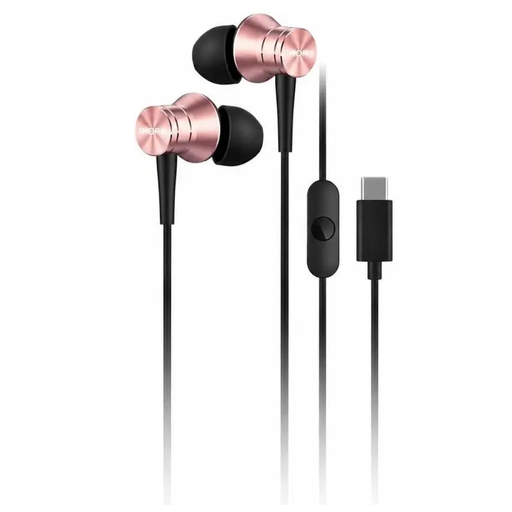
1MORE P10 Piston Type-C earphones, Pink
Consider this wired in-ear option if you listen from a compatible Type-C device. Confirm compatibility with your particular device and check that the earpieces seal comfortably during a journey.
View on Joybuy
 No image available
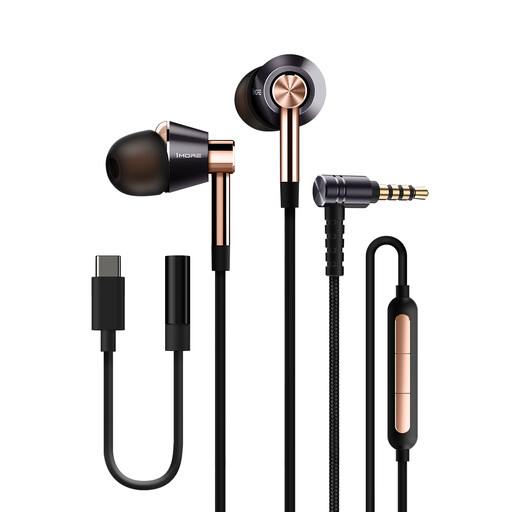
1MORE E1001 Triple Driver earphones with MEMS mic, Gold
This wired in-ear option is worth considering if you want a microphone for calls as well as story playback. Confirm the supplied plug against your device, and assess the seal and comfort with the included tips.
View on Joybuy
Common questions
Do I need active noise cancellation for detective stories on a train?
Not necessarily: a well-fitting in-ear monitor can offer passive isolation without active noise cancellation. Etymotic and Shure publish model-specific passive-isolation claims for the ER2XR and AONIC 215, but your seal and the surrounding noise still matter when following dialogue.
Why check the fit before judging the sound?
Fit affects both comfort and the seal you rely on in a noisy carriage. Try the supplied tip sizes rather than assuming one will suit you: Shure lists foam and soft-flex sleeves for the AONIC 215, Sennheiser lists silicone and memory-foam tips for the IE 200, and Audio-Technica lists four silicone-tip sizes for the ATH-E40.
Should I keep isolating earpieces in at a rail station?
Remove or pause them when you need to hear announcements or navigate the station. National Rail advises passengers to pay attention to announcements and to take off headphones to listen to them; take particular care when boarding, alighting and moving along platforms.
Will wired in-ear monitors work with my phone?
They will work only if the supplied plug has a compatible connection to your phone or an appropriate adapter. Check the exact variant: Shure AONIC 215, Sennheiser IE 200 and Audio-Technica ATH-E40 list 3.5 mm connections, while a Type-C model needs a compatible Type-C device.
How can I avoid turning the volume up on a noisy train?
Start with a comfortable eartip seal rather than compensating for carriage noise by raising the volume. The World Health Organization advises keeping device volume to no more than 60% of maximum where possible; isolation does not make prolonged loud listening risk-free.


