What matters when choosing
For consumers choosing wired in-ear earphones for travel memoirs on a coach, start with the seal and all-journey fit, then check the connection and the parts you may need to replace. Manufacturer isolation figures describe particular models; they do not guarantee the same result in every ear.
| Concern |
What to check |
Who this matters to |
| Passive isolation |
Try the supplied tip sizes for a comfortable seal. If comparing stated attenuation, check which model and fit conditions the claim covers. |
When coach noise masks quieter sentences, I want to follow the story without continually raising the volume. Around 36% of consumers put isolation first. |
| Comfort and stability |
Check tip choices and how the earpieces and cable sit during an extended seated session, particularly alongside glasses or a coat collar. |
For a memoir that lasts much of the journey, I need earphones that do not press uncomfortably or work loose. Comfort comes first for around 29% of consumers. |
| Wired connection |
Match the plug to your playback device or a compatible adapter; check cable length for your seated position. |
When I want uninterrupted wired listening, I need to know the earphones will connect to the device I am carrying. Around 21% of consumers make connection compatibility their primary concern. |
| Long-term use |
Check the included accessories, warranty and whether a replacement cable fits the exact model. |
If I expect to use the earphones on repeated journeys, I would rather replace a worn cable where the design allows it. Maintainability is the leading need for around 14% of consumers. |
Joybuy products for this journey
These wired in-ear choices offer different connection and fit considerations for listening to memoirs on a coach. Check your device connection and ear-tip fit before treating any one of them as a solution to background noise.
 No image available
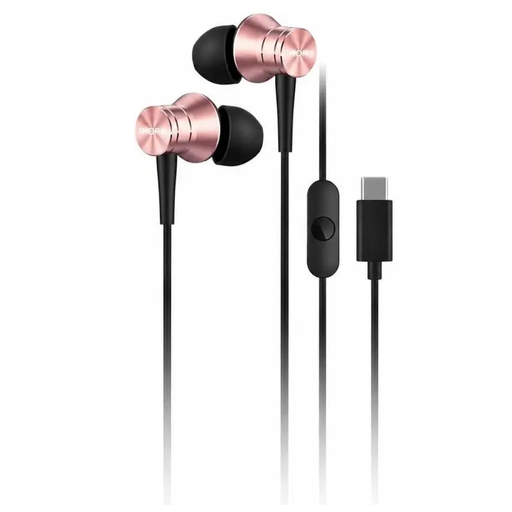
P10 1MORE Piston Type-C Wired Earphones, Pink
Consider these for wired memoir playback if your device accepts audio through USB-C. Check the ear-tip fit for coach noise and confirm the included quantity before ordering.
Joybuy
 No image available
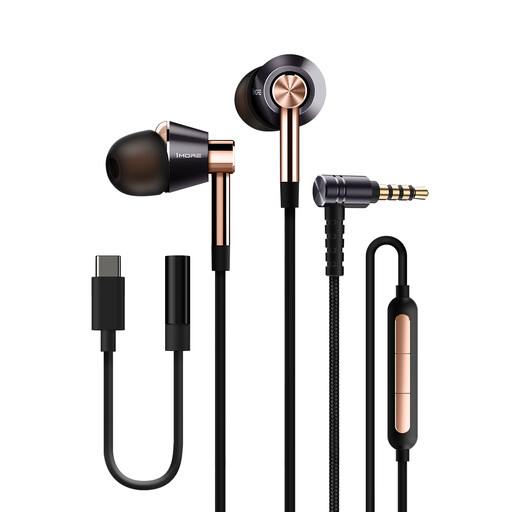
1MORE E1001 Triple Driver Wired Earphones, Gold
Consider these if trying different ear tips is important for a longer listening session. They are wired in-ear earphones; confirm their plug matches your playback device and assess the seal rather than assuming a particular level of isolation.
Joybuy
 No image available
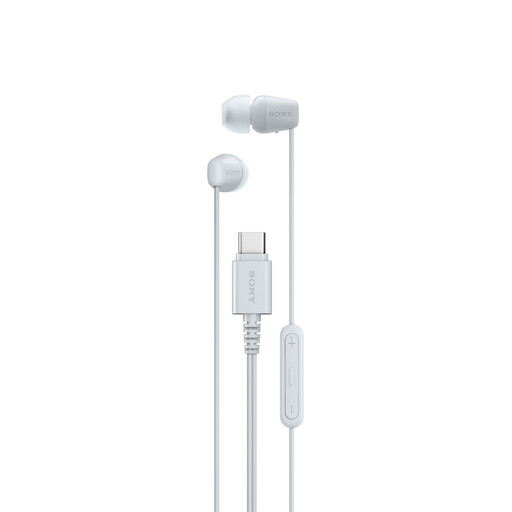
Sony IER-EX15C USB-C Wired Earbuds, White
These offer a wired option for a playback device compatible with USB-C audio. Check whether their fit gives you enough isolation for the coach and whether the cable arrangement suits repeated travel use.
Joybuy
Common questions
Do I need active noise cancellation to hear a memoir on a coach?
Not necessarily: a well-sealed in-ear monitor can reduce surrounding sound through its physical fit. Etymotic publishes a passive-attenuation claim for the ER2XR, while Shure publishes an isolation claim for the SE215; neither figure guarantees the result in your ears. Keep the volume comfortable rather than using isolation as a reason to raise it.
How should I set the volume for a long journey?
Use a level at which you can comfortably follow the narration without turning it up to overpower coach noise. The World Health Organization advises keeping device volume at no more than 60% of maximum and taking account of both loudness and listening duration; take breaks during a long session.
Will a 3.5 mm in-ear monitor work with my phone or tablet?
It will work directly only if the device has a compatible 3.5 mm headphone output; otherwise, check for a suitable audio adapter. The Shure SE215 and Sennheiser IE 200 use 3.5 mm plugs, so confirm the connection on the device you will actually take aboard.
How can I avoid missing my stop while wearing isolating earphones?
Check your ticket and journey information, use visible onboard information where available, and pause or remove the earphones when you need to confirm a stop or hear staff. The Department for Transport describes route and upcoming-stop information requirements for local bus and coach services, with staggered implementation for older vehicles; do not assume every coach provides information in the same way.
Can I replace an in-ear monitor cable if it wears out?
Only if that model has a detachable cable and a compatible replacement. Shure lists a detachable MMCX cable for the SE215; Sennheiser lists an IE-series replacement compatible with the IE 200, whose recessed connector design makes checking the exact cable fit important.


