
24/7 Customer Support

Free returns

Same-day & Next-day Delivery

Quality Guaranteed

Unlock Your Welcome Offers: FREE Delivery | Up to 80% OFF | Free 30-day JoyPlus trial
Download the APP
Choosing incontinence pads can feel more complicated than expected. Packs may use different absorbency labels, shapes and technical terms, while marketing often focuses on thinness or odour control without explaining whether the product suits your level of urinary leakage.
The right choice depends on where and when leaks occur, how much protection you need and whether the pad stays securely in place. This guide highlights common buying traps, explains the specifications worth checking and matches several options to different needs.
A thinner pad may feel discreet, but slimness does not automatically mean it is suitable for heavier leakage. Absorbency level, pad length and the position of the absorbent core matter more than thickness by itself.
For light bladder weakness, an ultra-thin pad may be practical. Medium or heavy leaks, movement during the day and overnight use generally call for a longer or more absorbent design.
Standard sanitary pads are designed for menstrual flow and may not manage urine in the same way. Incontinence pads commonly use a shaped core, adhesive backing and leak barriers to direct liquid into the absorbent section.
Men’s pads may have a cup-shaped design for the male anatomy, while incontinence pads for women often use a contoured shape for the wider underwear gusset. A poor fit can cause side leakage even when the pad has sufficient stated absorbency.
Odour-control features can help manage smells associated with trapped urine, but they do not replace changing the pad regularly. Wearing a pad for too long may increase discomfort, moisture and the likelihood of skin irritation.
Always follow the product instructions. For example, some pads advise changing every four to eight hours as needed, while overnight products should still be replaced after use.
Start by identifying the pattern of leakage:
Absorbency figures are not always presented in a directly comparable way between manufacturers. Use the stated product category, pad dimensions and intended use together rather than relying on one number.
Check whether the product is intended for men, women or general use. A secure adhesive strip should hold the pad inside close-fitting underwear, while elasticated edges or side barriers may help reduce lateral leakage.
Longer pads can provide more coverage towards the front or back. This can be useful for night-time use or when leaks occur while lying down. For active daytime use, a contoured pad that stays in place may be more comfortable than simply choosing the largest available size.
Look for a soft top sheet and breathable outer material if the pad will be worn for several hours. Those with sensitive skin may prefer a fragrance-free option and should check the packaging for the complete materials list.
Products described as dermatologically tested are not a guarantee that every user will tolerate them. Stop using a pad if irritation or discomfort develops and seek advice from a healthcare professional where appropriate.
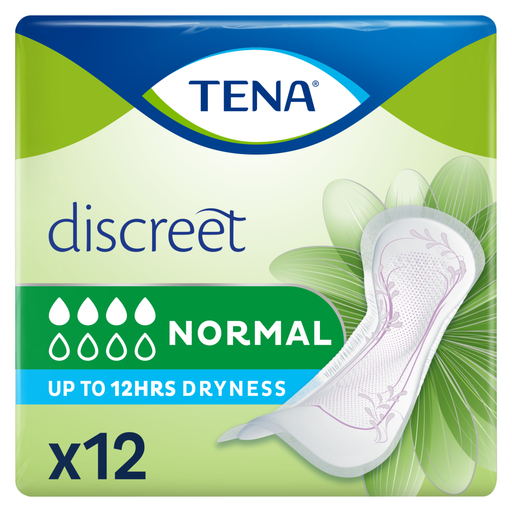
Why This Fits Their Persona: A practical everyday option for women managing light to moderate bladder weakness at work, while shopping or during ordinary UK routines.
It is positioned for light to moderate leaks rather than relying on thinness alone, and the textile-like breathable outer material supports discreet daily wear.
Individually wrapped; soft breathable outer material; 12 pads per pack.
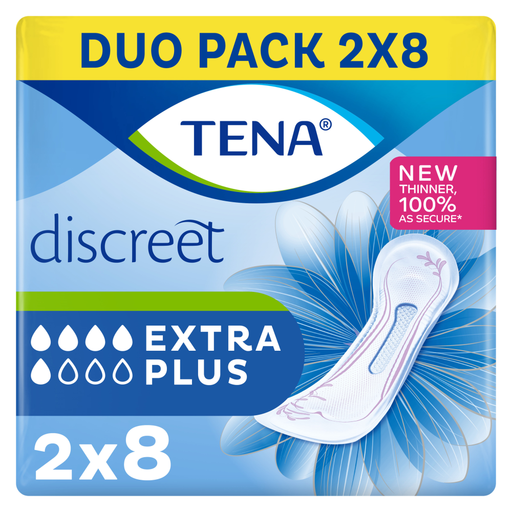
Why This Fits Their Persona: Suitable for users who prioritise a shaped fit, odour control and higher coverage for medium to heavy bladder weakness.
The contoured design and elasticated sides address fit, while the product is labelled for medium to heavy bladder leaks rather than only promising a slim profile.
InstaDRY absorbent core; fragrance-free; individually wrapped; 16 pads.
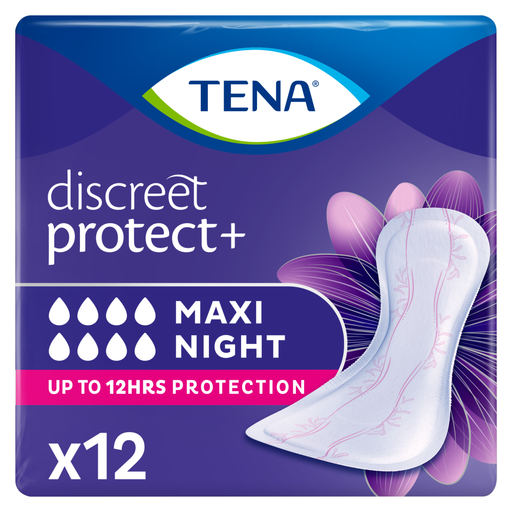
Why This Fits Their Persona: Designed for people who experience heavier, unexpected leaks at night and need more coverage while lying down.
Its stated night-time purpose and lie-down protection make it more relevant than adapting a short, light daytime pad for overnight use.
Night-specific design; intended for heavy unexpected urine leaks; 12-pad duo pack.
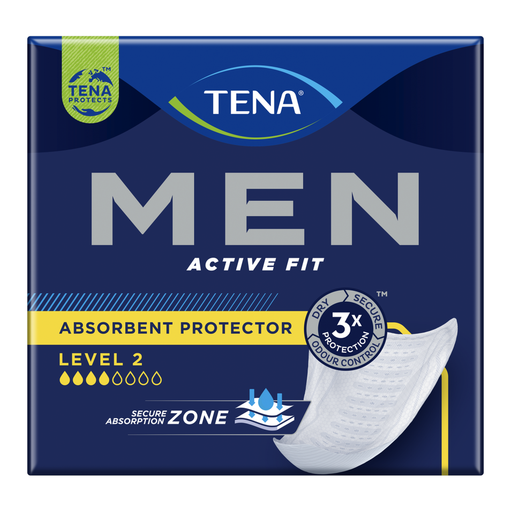
Why This Fits Their Persona: Intended for men seeking a shaped, low-profile pad for commuting, work, exercise or other active daily activities.
The anatomical cup shape and adhesive strip focus on positioning, while the stated Level 2 rating gives a clearer indication of intended leakage than a generic “active” label.
4mm stated thickness; male-specific shape; individually wrapped; up to 450ml stated absorbency.
We have compiled a complete, real-time list of products that fully satisfy these strict selection criteria and UK safety regulations.
There is no single period that suits every user. Change the pad as needed and follow its packaging instructions. Some products advise changing every four to eight hours and not wearing one for more than 12 hours. Heavy leakage, sweating or discomfort may mean it needs changing sooner.
Some are designed specifically for night-time use, with greater coverage and features intended for leaks while lying down. Standard daytime pads may be unsuitable for heavy overnight leakage. If leakage regularly reaches bedding despite using an appropriate product, consider absorbent bed pads and discuss persistent symptoms with a healthcare professional.
Compare the cost per pad, not just the pack price. Larger packs or duo packs may reduce the unit cost, but only if the absorbency and fit match your needs. Buying a light pad that requires frequent changes can cost more than choosing a suitable higher-absorbency option from the outset.