
24/7 Customer Support

Free returns

Same-day & Next-day Delivery

Quality Guaranteed

Unlock Your Welcome Offers: FREE Delivery | Up to 80% OFF | Free 30-day JoyPlus trial
Download the APP
Choosing Indian cooking sauces should make dinner simpler, not create another supermarket decision. Yet jars and curry kits can differ considerably in heat, allergens, storage instructions, serving flexibility and preparation time.
A mild sauce may suit a family but disappoint someone seeking chilli heat. A product labelled “curry sauce” may still require meat or vegetables to be cooked separately, while a seasoning mix needs additional ingredients and more preparation. The practical approach is to check the label, cooking instructions and intended use before buying.
A chilli rating usually indicates expected heat, but it does not describe sweetness, acidity, creaminess or spice profile. A tikka masala sauce and a korma sauce may both be mild, yet korma-style products generally include coconut or cream-based ingredients, while tikka masala sauces often have a more noticeable tomato and yoghurt profile.
For households with different preferences, choose a mild base and add fresh chilli separately rather than making the whole meal too hot.
Most ready-made curry sauces are cooking bases rather than complete meals. You may still need chicken, paneer, prawns, tofu, lamb or vegetables, plus rice or naan. For example, Sharwoods Cooking Sauce Madras specifies frying the chosen ingredients, adding the sauce and simmering for 15–20 minutes.
Curry kits and Shan masala seasoning mixes require a different approach. They can provide a spice blend, but you may need to supply tomatoes, onions, oil, meat or vegetables yourself.
Cream, yoghurt, butter, milk powder, cashew nuts, mustard, barley and possible traces of peanuts or sesame appear across this category. Always check the current pack because recipes and allergen statements can change.
Storage also affects value. Some products should be refrigerated and consumed within three days after opening, while others instruct you to use the contents immediately. A large jar is not economical if your household only uses part of it.
Use the stated chilli rating as a starting point:
The rating is not a universal technical scale, so compare the ingredients and serving suggestions as well. Chilli, black pepper, mustard, cumin and fenugreek can all influence the final taste.
For vegetarian or vegan meals, check whether the sauce contains milk, cream, butter, yoghurt, whey, cashew or other animal-derived ingredients. Several products are vegetarian-friendly, while selected Patak’s sauces are labelled suitable for vegans.
A sauce may be suitable for vegetarian cooking but still contain milk. For example, Sharwoods Tikka Masala Sauce contains yoghurt and cream, and Patak’s Butter Chicken Sauce includes cream and butter. Patak’s Jalfrezi, Madras, Rogan Josh and Vindaloo options are listed as suitable for vegans, but always verify the packaging before serving.
Jars commonly weigh between 420g and 450g, which can provide a base for a family meal when combined with protein or vegetables. Smaller 225g curry kits may suit one or two people, while 50g–60g seasoning sachets are useful when you already have the other ingredients available.
Also check whether the cooking time matches your routine. Some sauces are designed for approximately 15–20 minutes of simmering, while The Spice Tailor Keralan Coconut Curry is described as a 10-minute meal solution. Follow the pack instructions and ensure meat is fully cooked and food is piping hot throughout.

Why This Fits Their Persona: A mild, vegetarian-friendly base for first-time curry cooks and family dinners, with a stated chilli level of 1.
The listed milk allergens and mild heat level make it easier to plan around dietary needs and family preferences before opening the jar.
420g jar; includes tomatoes, yoghurt, cream and spices; suitable for vegetarians.
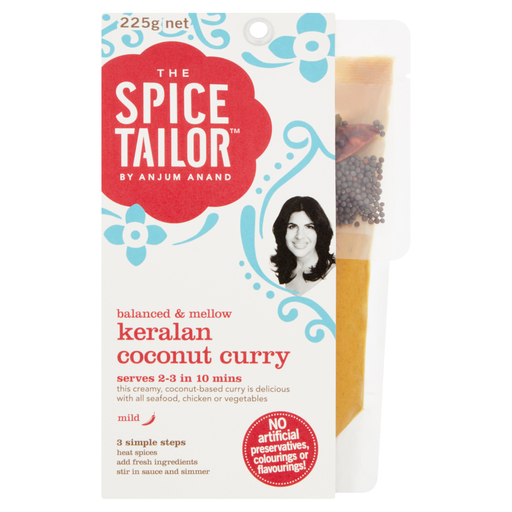
Why This Fits Their Persona: A smaller curry kit for shoppers who want a coconut-based dish with spice components and a stated preparation time of around 10 minutes.
The 225g format helps reduce leftovers, while the listed cashew, milk and mustard allergens make label checking straightforward.
Mild chilli rating of 1; coconut milk powder is listed at 21%; suitable for vegetarian meals.
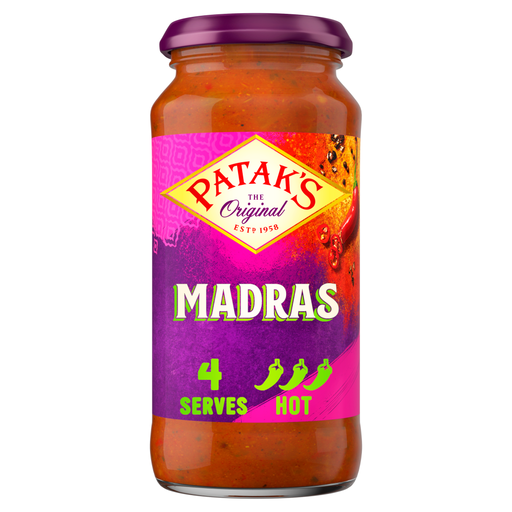
Why This Fits Their Persona: Suitable for curry enthusiasts and households that regularly cook hot, tomato-based meals with meat, cauliflower or other vegetables.
The hot chilli rating of 3 is stated clearly, reducing the risk of expecting a mild Madras-style meal. The pack also gives a cooking method and serving quantity.
450g jar; listed as suitable for vegans and vegetarians; contains tomato, cumin, coriander and chilli.
We have compiled a complete, real-time list of products that fully satisfy these strict selection criteria and UK safety regulations.
Add cooked vegetables, chickpeas, lentils or paneer, then serve with rice or flatbread. Avoid adding too much water, as this can dilute the seasoning. Follow the jar’s instructions first and adjust consistency gradually.
Some are, but suitability varies by recipe. Read the ingredients and allergen declaration every time. Cream, yoghurt, butter, whey and milk powder rule out vegan use, while mustard, nuts and sesame may matter for allergy management.
The answer depends on the product. Some instructions say to refrigerate and consume within three days; others advise using the contents immediately. Keep the original packaging, follow its storage guidance and check the best-before information before use.