
24/7 Customer Support

Free returns

Same-day & Next-day Delivery

Quality Guaranteed

Unlock Your Welcome Offers: FREE Delivery | Up to 80% OFF | Free 30-day JoyPlus trial
Download the APP
Finding the right Indian and Pakistani spice mixes can make weekday cooking considerably easier, whether you are preparing a quick curry after work or feeding a family at the weekend. Ready-to-use blends can reduce measuring and help recreate familiar flavours in dishes such as biryani, nihari, chicken curry, kebabs and chana masala.
However, attractive packaging and phrases such as “authentic flavour” do not tell you everything you need to know. As the Joybuy Product Recommendation Officer, my role is to help you look beyond marketing language and choose a seasoning that suits your recipe, dietary requirements and cooking habits.
A biryani spice mix, korma curry mix or chana masala is usually formulated for a particular dish. It may already contain salt, dried aromatics, acidity regulators or other ingredients intended to create a specific flavour profile.
By contrast, a general seasoning such as garlic and coriander or hot and spicy seasoning may be more flexible for marinades, vegetables, meat and fish. Buying a specialised mix for everyday sprinkling can limit its usefulness, while using a general seasoning for biryani may not provide the expected balance.
Many curry seasonings contain salt as one of their main ingredients. Some listed products provide salt levels ranging from moderate to very high per 100g, so adding extra salt without checking the label can easily make a dish overly salty.
Always read the ingredient list and allergen declaration before purchase. Depending on the blend, possible allergens may include wheat, soya, mustard, milk, cashew nuts, celery, sesame or sulphites. Recipes and formulations can change, so check the packaging supplied with your order rather than relying only on a product description.
Most Indian and Pakistani spice mixes are ingredients for cooking, not finished foods. A chicken masala, karahi seasoning or rajma masala normally needs to be simmered with the main ingredients. Follow the packet instructions and cook meat, rice and pulses thoroughly.
Select the flavour base according to your planned meal:
For a broader pantry, Rajah spices can be useful as general-purpose seasonings, while Shan masala products tend to focus more directly on named South Asian recipes.
A small 50g or 60g sachet can be practical if you are trying a recipe for the first time or cooking for a smaller household. Larger 100g packs may suit frequent cooks, families or shoppers who want a seasoning for repeated use.
Look for preparation instructions that state the approximate quantity of meat, rice, beans or vegetables covered by one packet. This makes it easier to compare value than judging by pack size alone.
Once opened, keep powders in a cool, dry place away from steam, sunlight and strong odours. Reseal sachets tightly or transfer the contents to an airtight container to reduce clumping and preserve aroma.
Also check whether the blend includes ingredients you may prefer to limit, such as flavour enhancers, added sugar or high levels of salt. “No artificial colours” or “no preservatives” does not automatically mean a product is suitable for every diet, so the full label remains important.
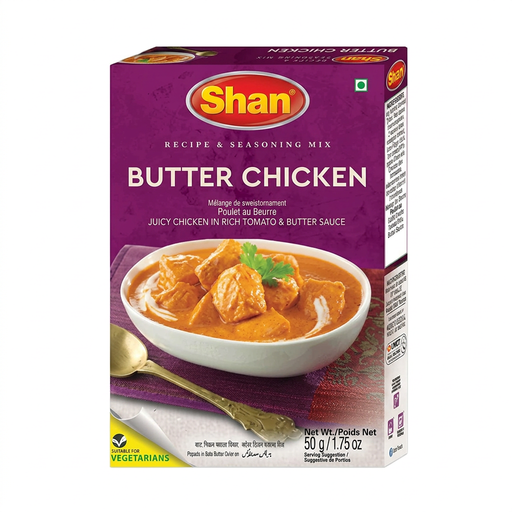
Why This Fits Their Persona: A single 50g sachet is a manageable option for UK shoppers learning to prepare butter chicken without buying several individual spices.
It is a named recipe mix with cooking instructions, rather than an incorrectly marketed all-purpose curry powder.
Sealed 50g sachet; clear preparation guidance; listed without artificial flavours or preservatives.
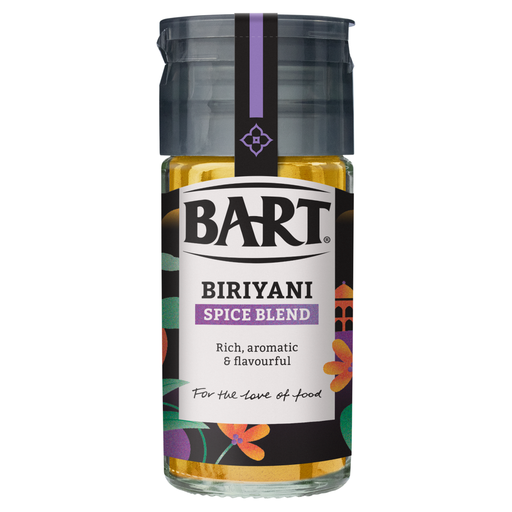
Why This Fits Their Persona: Suitable for cooks who want a focused biryani blend with a listed spice profile and no declared allergens.
The ingredient list identifies recognisable spices, including cardamom, cinnamon, star anise and cloves, rather than relying only on vague flavour descriptions.
37g format for a specific rice dish; no allergens listed in the supplied product information.
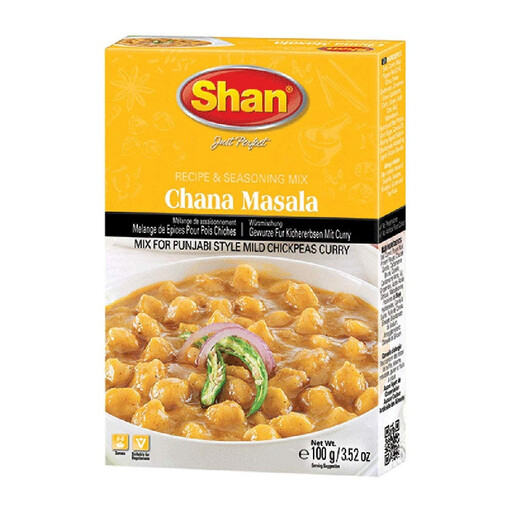
Why This Fits Their Persona: The 100g pack suits regular cooks who prepare chickpea curries, pulse dishes or vegetable meals for several people.
Its intended use is clear: add it to chickpeas with tomatoes, onions and water, then cook until the gravy thickens.
100g pack; includes coriander, cumin, amchur, ginger and fenugreek leaves; designed for cooked chickpea dishes.

Why This Fits Their Persona: A useful choice for shoppers wanting a dedicated fish seasoning for frying or preparing different types of fish.
The product has a defined fish application, avoiding the uncertainty of using a generic curry seasoning on delicate fillets.
50g ready-made blend; suitable for various fish types; intended to simplify measuring several seasonings.
We have compiled a complete, real-time list of products that fully satisfy these strict selection criteria and UK safety regulations.
Yes, many are designed to reduce the need to measure individual spices. Start with a recipe-specific sachet such as chicken masala, korma curry mix or biryani spice mix, then follow the packet instructions. You can adjust heat with fresh chilli, yoghurt, tomatoes or coconut milk, but avoid adding extra salt until you have tasted the cooked dish.
Store unopened packs in a cool, dry cupboard. After opening, seal the packet or use an airtight container, particularly if your kitchen becomes humid when cooking. Keep powders away from direct sunlight and strong smells, and follow the best-before information on the packaging.
Some can. General Rajah spices, garlic and coriander seasoning, hot and spicy seasoning and lamb seasoning may work across marinades, vegetables, meat or fish. Recipe-specific products such as nihari, karahi, rajma and chana masala are more closely matched to their named dishes, although small amounts may also season related recipes. Always check allergens and salt content before adapting a blend.