
24/7 Customer Support

Free returns

Same-day & Next-day Delivery

Quality Guaranteed

Unlock Your Welcome Offers: FREE Delivery | Up to 80% OFF | Free 30-day JoyPlus trial
Download the APP
Navigating the world of Indian spice blends can feel overwhelming. Shelves are packed with jars and packets all promising an "authentic" taste, but achieving that rich, layered flavour you enjoy in restaurants or from family recipes at home can be elusive. Many home cooks in the UK find themselves disappointed with lacklustre results, often due to a few common purchasing pitfalls.
As the Joybuy Product Recommendation Officer, my role is to help you see past the marketing clutter. This guide will break down the essential factors to consider, helping you select the right product for your needs, whether you're after a quick weeknight meal or a traditional weekend feast.
Before you add anything to your basket, be aware of these frequent issues that can lead to a disappointing curry:
To ensure you get value and flavour, focus on these three core parameters before you buy.
The format of the product dictates the cooking process and the level of control you have over the final dish.
curry powder or a dish-specific biryani masala. They offer the most authentic experience as you build the flavour from the ground up by sautéing aromatics and adding the masala mix at the right stage. Brands like Shan masala are well-known for their extensive range of Pakistani spice blends that cater to specific traditional dishes.Pataks curry paste is a good example of this category. These products blend spices with oil and sometimes aromatics like ginger and garlic into a thick concentrate. They are a convenient middle ground, providing a complex flavour base that you can then customise by adding tomatoes, coconut milk or cream.tikka masala sauce, for instance, is a complete sauce that you simply heat up and add your cooked meat or vegetables to. It's perfect for a quick and easy meal, though it offers the least flexibility for customisation.The order of ingredients tells you everything about a product's quality. For any masala mix or paste, the first few ingredients should be spices like coriander, cumin, turmeric and paprika. Be cautious if salt, sugar or flour (e.g., maize or wheat flour) appear at the top of the list, as this can indicate that the blend is diluted with fillers, compromising the flavour.
While a general-purpose curry powder is a useful pantry staple, the secret to many authentic Indian cooking ingredients lies in dish-specific blends. A masala for chana (chickpeas) will have a different profile from one for fish or a rich korma. If you want to replicate a particular dish accurately, choosing a blend formulated for that purpose, such as a dedicated biryani masala, will yield far better results than a generic alternative. When you want to buy Asian spices online, looking for these specific blends is a great way to elevate your cooking.
Based on these criteria, here are some recommendations matched to different cooking styles and needs.

Why This Fits Their Persona: For those short on time, this ready-made sauce delivers the classic, creamy flavour of a British-favourite tikka masala with minimal effort. It's a reliable way to get a satisfying meal on the table in under 30 minutes after a long day at work.
This is clearly a ready made curry sauce, eliminating any confusion about its use. You simply heat and serve, avoiding the pitfall of using the wrong product format for a quick meal.
Ultimate convenience with a mild, family-friendly flavour. Free from artificial colours and preservatives.
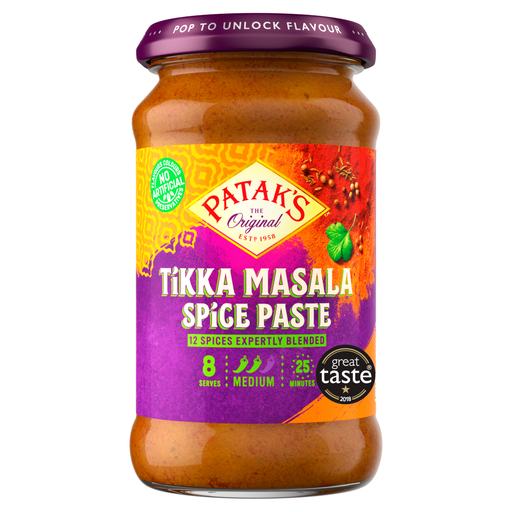
Why This Fits Their Persona: For those wanting to move beyond ready-made sauces, this paste provides a flavourful shortcut. It allows you to control the final dish by adding your own fresh ingredients, offering a great balance between convenience and hands-on cooking.
This concentrated paste avoids the "generic flavour" trap by using a blend of 12 ground spices as its base, rather than relying on fillers. It provides a complex starting point for a rich curry.
Offers excellent flavour control and versatility for use in curries or marinades. A cost-effective jar serves up to 8 people.
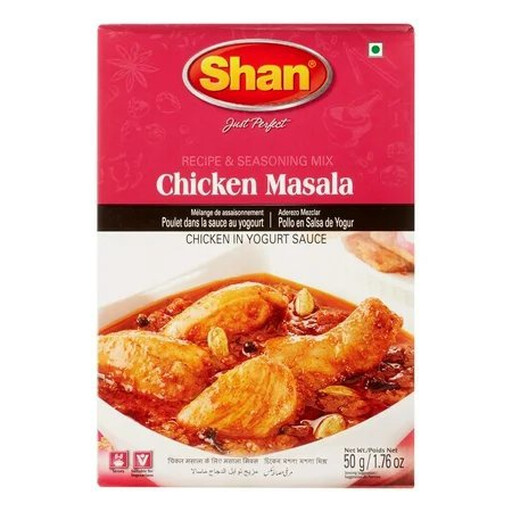
Why This Fits Their Persona: For those wanting to create a truly authentic dish from scratch, this dry masala mix is the perfect starting point. It's designed specifically for a classic chicken curry, providing the precise blend of spices needed to achieve a traditional Pakistani flavour profile.
This is a dish-specific dry masala, not a generic curry powder. It delivers a complex, layered flavour designed for one purpose, ensuring your chicken curry tastes as it should and avoids the "one-note" pitfall.
Provides a consistent and authentic flavour base for a specific, traditional dish. The recipe instructions on the box guide you through the cooking process.
We have compiled a complete, real-time list of products that fully satisfy these strict selection criteria and UK safety regulations.
The shelf life depends on the format. Dry masala powders, when transferred to an airtight container and stored in a cool, dark cupboard, can retain good flavour for 6-12 months. Concentrated pastes and ready-made sauces must be refrigerated after opening. Always check the packaging, but typically sauces should be used within 3-5 days, while pastes can last for several weeks.
Generally, Shan is a brand from Pakistan celebrated for its wide variety of authentic, dish-specific dry masala mix powders, perfect for recreating traditional recipes like Nihari, Biryani or Korma. Patak's is a UK-based brand that excels in producing convenient Pataks curry paste and ready-made sauces, which are ideal for making popular British-Indian restaurant-style dishes at home. Your choice depends on whether you prefer the control of a dry blend or the convenience of a wet paste or sauce.
While technically possible, it is not recommended for the best results. A biryani masala is formulated with fragrant spices like mace, star anise and green cardamom, which are intended to perfume rice. A standard chicken curry requires a different balance, with more dominant notes of coriander, cumin and turmeric to create a rich gravy. Using the wrong blend will result in a flavour profile that is not true to either dish.