
24/7 Customer Support

Free returns

Same-day & Next-day Delivery

Quality Guaranteed

Unlock Your Welcome Offers: FREE Delivery | Up to 80% OFF | Free 30-day JoyPlus trial
Download the APP
Buying Indian spices and seasonings should make home cooking easier, not leave you with a cupboard full of ingredients that lose their aroma before you use them. UK shoppers often compare curry powder, masala seasoning, cooking sauces and individual spices based on pack size or colourful packaging alone. That can lead to unsuitable heat levels, duplicated ingredients and blends that add more salt than expected.
This guide explains what to check before buying, then matches a selection of products to different cooking habits.
A hotter product is not automatically more flavourful. Extra hot chilli powder and crushed red chillies mainly increase heat, while ground coriander, cumin, cinnamon powder and paprika contribute fragrance, earthiness, sweetness or colour.
If you are cooking for a family or trying Indian recipes for the first time, a mild curry powder gives you more control. You can add chilli gradually, rather than trying to reduce heat after the dish is already prepared.
Seasoning blends are convenient, but they may contain salt, sugar or flavour enhancers alongside spices. For example, a blend can be useful for quick cooking while still requiring less additional salt in the recipe.
Check the ingredients list and salt value per 100g, particularly when buying tandoori masala, chicken seasoning, biryani spice mix or curry goat seasoning. A product with a short ingredient list may be preferable if you want to adjust seasoning yourself.
Large packs can appear economical but may sit unused for months. Ground spices gradually lose aroma once opened, especially when stored near a cooker, sink or other source of heat and moisture.
Choose pack sizes according to use. A 50g pack of cumin or cassia bark may suit occasional cooks, while a 100g pack of garlic powder or ground coriander is more practical for regular curry, marinade and stew preparation.
Individual spices provide flexibility. Ground coriander, cumin, paprika, garlic powder, white pepper and cinnamon powder can be measured according to your recipe and used across Indian, Caribbean, Mediterranean and other cuisines.
Ready-made blends reduce preparation time. A curry powder can provide a convenient base, while masala seasoning is designed for a particular flavour profile. Biryani mixes and korma sauce are useful when you want a guided recipe with fewer ingredients to measure.
Ingredients are generally listed by weight, so the first item can indicate what makes up most of a blend. This matters when comparing a salt-led seasoning with a spice-led powder.
Always read the pack for allergens before buying. The supplied products include examples such as mustard, celery, milk, wheat, sesame, soya and nuts or possible traces of them. This is especially important for vegetarian and vegan shoppers, as a product may be suitable for a meat-free diet but still contain milk or other allergens.
Resealable packaging helps limit exposure to air and moisture. After opening, keep powders and seeds in a cool, dry, dark place, tightly sealed. Whole spices such as coriander seeds and cassia bark often suit slow cooking and can be removed before serving. Ground products are quicker to use but can clump if exposed to steam.

Why This Fits Their Persona: A practical starting point for UK cooks building a basic spice cupboard and preparing curries, soups, stews or rice dishes.
The mild profile avoids committing you to a high heat level. The ingredient list and mustard allergen warning are clearly provided for checking before purchase.
100g pack; includes coriander, turmeric, cumin, fenugreek and other spices; suitable for more than curry recipes.
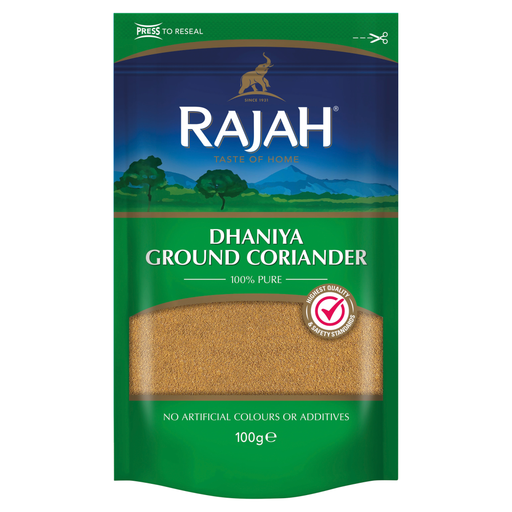
Why This Fits Their Persona: Suitable for cooks who prefer to build flavour in measured layers rather than rely on a single all-purpose blend.
It is listed as ground coriander seeds rather than a multi-ingredient seasoning, making the contents straightforward to assess.
100g pack; no listed allergens; works in curries, chutneys, marinades, soups and lentil dishes.
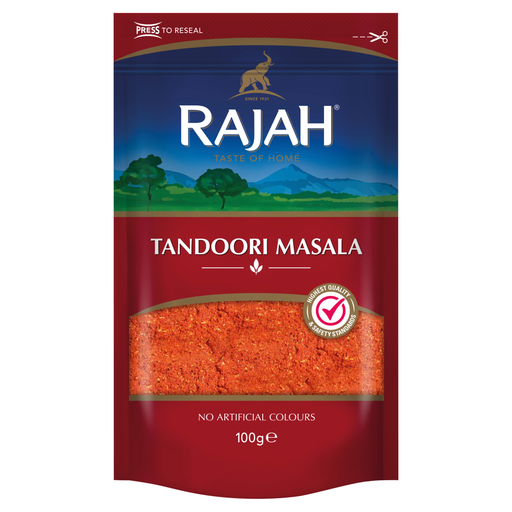
Why This Fits Their Persona: A focused option for cooks who regularly prepare grilled, baked or roasted chicken, fish or vegetables with a spiced yoghurt marinade.
The intended use is specific, so it is less likely to be left unused than a blend bought only for occasional experimentation.
100g pack; includes coriander, cumin, turmeric, chilli, garlic and warming spices; suitable for meat and vegetable recipes.
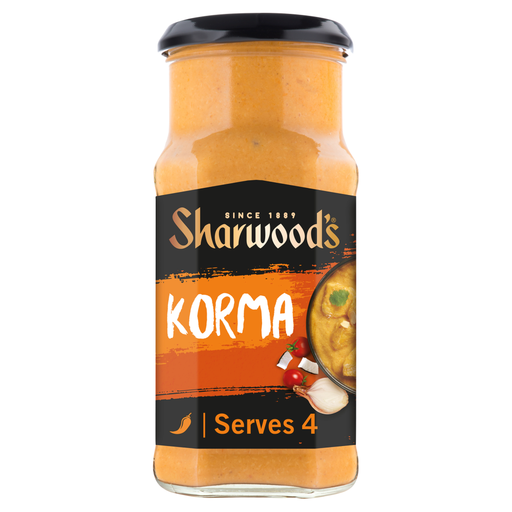
Why This Fits Their Persona: A convenient base for a mild vegetarian korma or a quick family meal when measuring several dry spices is impractical.
The 420g format is designed as a ready-to-use sauce, so it avoids buying multiple small packets for one meal. Check the milk allergen before serving.
Contains coconut, onion, ginger, garlic and ground spices; suitable for vegetarians according to the supplied product information.
We have compiled a complete, real-time list of products that fully satisfy these strict selection criteria and UK safety regulations.
Consider adding individual ingredients around a main blend:
For biryani, compare the stated serving guidance and allergen information. For curry goat seasoning, check whether the blend contains salt, flavour enhancers or possible traces of mustard, celery, gluten, soya or milk.
Start with a mild curry powder, ground coriander, cumin, garlic powder and paprika. This combination covers curries, rice dishes, marinades, soups and roasted vegetables. Add chilli powder later if you want more heat control.
Keep them sealed in a cool, dry cupboard away from steam and direct sunlight. Do not store open packs directly beside the hob or kettle. Use a dry spoon and check for clumping, unusual odours or packaging damage before use.
Some are, but do not assume every masala seasoning or sauce is suitable. Check the ingredients and allergen statement for milk, whey, ghee, fish-derived ingredients and other animal products. Products labelled vegetarian or vegan should still be checked against the current packaging before purchase.