Long-run snack planners
A measured, carryable portion may fit your training plan if you first try eating the exact biscuit at your running pace.


For marathon training, choose a sealed shortbread portion by its carbohydrate content and whether you can comfortably eat it during a training run; a wrapper alone does not make a biscuit a complete fuel plan. Walker’s Shortbread’s labels work out at about 11.7 g carbohydrate per 20 g finger or 23.4 g per 40 g twin pack, while Dean’s plain 10 g mini works out at about 6.6 g. Those are portion calculations, not tests of how the biscuits feel to eat while running.
A measured, carryable portion may fit your training plan if you first try eating the exact biscuit at your running pace.
An individually wrapped 10 g mini lets you open one small portion at a time rather than a larger twin pack. Check the availability of the exact recipe before ordering.
Look for a specifically labelled gluten-free variant rather than standard wheat-flour fingers, and check the current pack for milk and precautionary nut information too.
Start with the amount in each sealed portion, then check its ingredients and whether you can manage it during a training run.
| Priority | What to check | Your needs |
|---|---|---|
| Carbohydrate per portion | Use the weight of the sealed portion and the carbohydrate figure for that exact recipe. Walker’s Shortbread lists 58.4 g per 100 g for its fingers: approximately 11.7 g per 20 g single or 23.4 g per 40 g twin pack. Dean’s lists 65.7 g per 100 g for its plain minis: approximately 6.6 g per 10 g pack. | I want to know what one unopened pack contributes to my plan, rather than counting the weight of the whole box. |
| Eating on a run | Check whether the wrapper holds one biscuit or two. Try opening and eating the exact biscuit during training, including at the pace when you expect to use it. | Can I manage the wrapper, portion and crumbs while running? A solid biscuit may not suit every run or every runner. |
| Ingredients and allergens | Read the current ingredients and precautionary statements. Walker’s standard fingers contain wheat and milk and may contain nuts; its separately labelled gluten-free rounds contain milk and may contain nuts. | If I need gluten-free food or must avoid an allergen, I need the label for the exact variant, not an assumption about the brand. |
| Sealed-pack count | Check both the number of sealed packs and the biscuits inside each one. Walker’s Shortbread describes 24 sealed twin packs in one display box and 240 individually wrapped fingers in its single-finger case. | I want enough unopened portions for the runs I have planned, without mistaking two biscuits in one wrapper for two separately sealed snacks. |
Wrapping helps with carrying and portioning, but does not establish how much carbohydrate you need or whether the biscuit will be comfortable to eat during a run.
Work from the exact portion label and try the biscuit alongside your planned food and fluid during training.
Walker’s 24-pack display box contains 24 sealed packs, each holding two fingers—not 48 individually sealed fingers.
Check the film-pack count as well as the biscuit count, especially if you plan to open only one portion at a time.
Walker’s gluten-free rounds contain milk and carry a possible-nuts warning.
Read the current ingredient list and precautionary statements for the precise product if an allergy is relevant to you.
Dean’s plain and chocolate-chip 10 g minis are different recipes; the chocolate-chip version contains soya. Its plain mini case was marked unavailable on the manufacturer’s listing when reviewed.
Confirm the recipe, current availability and number of packs before ordering. Use the nutrition figures for the variant you choose.
Its UK product listings distinguish single wrapped fingers, sealed twin-finger packs and a separate gluten-free twin-round format.
Its individually wrapped 10 g minis include separate plain and chocolate-chip recipes.
Its Scottish All Butter Shortbread Fingers provide an ordinary-pack comparison when individual wrapping is unnecessary.
Its shortbread fingers offer another ordinary-pack comparison, rather than a confirmed individually wrapped option.
These options include a 25 g shortbread portion and a separate biscuit snack-pack format. Check how each item is sealed before relying on it as an unopened snack to carry on a run.
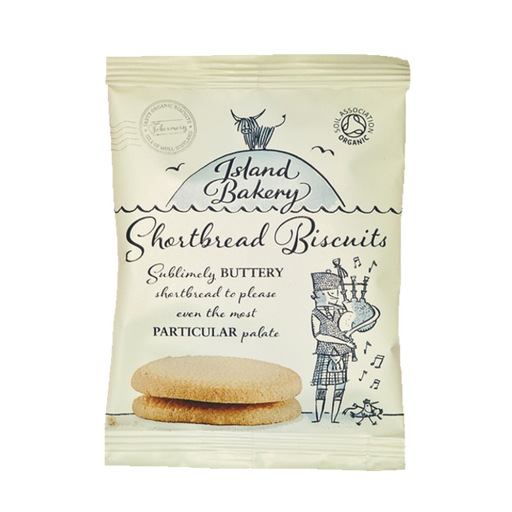 No image available
The named 25 g portion offers a defined amount for planning a training snack. Confirm whether the biscuit itself is sealed separately before carrying it unopened on a run.
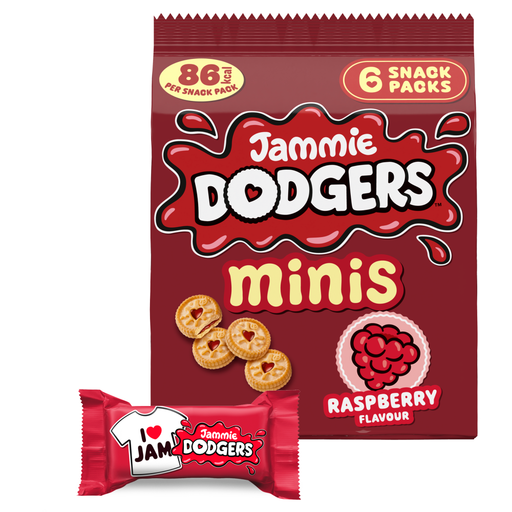 No image available
This is a biscuit snack-pack option, not shortbread. Check the number of sealed bags in the exact pack before planning how many portions you can carry; the supplied pack information gives conflicting counts.
Try the exact biscuit and portion on training runs first, including how you will carry, open and eat it. The Australian Institute of Sport discusses solid carbohydrate foods as an option for some athletes, but that does not establish that these particular shortbread biscuits will suit you while running.
Not necessarily. The cited M&S and Waitrose listings do not establish separate wrappers for each finger, whereas Walker’s Shortbread explicitly describes its wrapped single fingers and film-packed twins. Check the sealed-pack count rather than relying on the word “fingers”.
Walker’s Shortbread lists gluten-free rounds in wrapped twin packs; its standard wheat-flour fingers are a different product. Check the current label for the gluten-free designation and other relevant ingredients: the listed rounds contain milk and may contain nuts.
Count sealed portions first, then biscuits per portion. Walker’s Shortbread describes 240 wrapped fingers in its single-finger case, compared with 24 sealed packs of two fingers in its twin-pack display box. Choose based on the portion you expect to open and use, and check current availability before ordering.