Parents packing an occasional treat
Check whether a wrapper holds one biscuit or two, then read the ingredient label and ask the nursery about its food policy before packing it.


For an occasional sweet biscuit, choose individually wrapped shortbread by the number of biscuits and the weight inside each wrapper: a single biscuit and a twin pack are different choices. For routine between-meal snacks, consider the fruit and plain yoghurt examples given by the NHS instead; before packing shortbread for nursery, check the exact product label and the setting’s food policy.
Check whether a wrapper holds one biscuit or two, then read the ingredient label and ask the nursery about its food policy before packing it.
Convenient packaging does not settle whether a sweet biscuit belongs at everyday snack time. The NHS suggests options including fruit and plain unsweetened yoghurt for young children.
Use the exact variant’s ingredient and precautionary-allergen statements. The classic Walker’s and Dean’s packs described below list wheat and milk; the checked Walker’s packs also warn that they may contain nuts.
Start with what is inside one wrapper, then check whether the biscuit fits the occasion and the place where it will be eaten.
| Priority | What to check | Your needs |
|---|---|---|
| Wrapper contents | Count biscuits per inner wrapper and read its weight, separately from the number of wrappers in a case. Walker’s lists a 20 g single finger and a 40 g two-finger pack; Dean’s lists individually wrapped 10 g minis. | I’m choosing for one occasion, so I want to know what opening a single wrapper provides. None of these weights is a prescribed toddler portion. |
| Snack occasion | Compare the exact product’s nutrition label, including sugars per 100 g and per serving where given. Leeds Teaching Hospitals NHS Trust advises keeping sweet snacks to mealtimes because the frequency of sugary foods matters for dental decay. | For an everyday between-meal snack, I would rather consider the fruit or plain yoghurt examples given by the NHS than choose a biscuit for its packaging alone. |
| Allergens | Read the delivered variant’s ingredients and precautionary statements. The checked classic Dean’s and Walker’s recipes list wheat and milk, and the Walker’s packs warn that they may also contain nuts. | If a child has an allergy, I need to check the particular pack against their requirements; a separate wrapper does not answer that question. |
| Setting and case size | Ask the nursery about its food and allergy policies. If buying a catering format, distinguish Walker’s 24 twin packs or 240 single packs from Dean’s approximately 100 mini packs. | Before I pack food for nursery or buy a large case, I want to know whether the setting permits it and whether the quantity suits my plans. |
Walker’s lists one 20 g finger in its single pack, but two fingers totalling 40 g in each twin pack.
Check both the biscuit count and weight per inner wrapper, not just the wording on the outer box.
Walker’s single-finger case contains 240 packets, while Dean’s describes approximately 100 mini packs per case.
Check the case quantity and current availability against how you expect to use the biscuits.
The checked classic Dean’s and Walker’s recipes list wheat and milk, and Walker’s gives a possible-nuts warning.
Read the exact delivered label and follow the child’s allergy requirements and the setting’s policy.
These manufacturer and retailer examples help distinguish confirmed inner wrappers from conventional shortbread packs; a brand name alone does not identify the format.
Walker’s lists both single-finger and twin-finger individually wrapped classic shortbread formats.
Dean’s describes individually wrapped 10 g all-butter shortbread minis in a foodservice case.
Its Highland all-butter shortbread fingers provide an example of a conventional pack, rather than a confirmed individually wrapped format.
Its shortbread range includes conventional all-butter products and a distinct Made Without Wheat product.
Its own-label all-butter shortbread is another conventional product reference, not a confirmed individually wrapped pack.
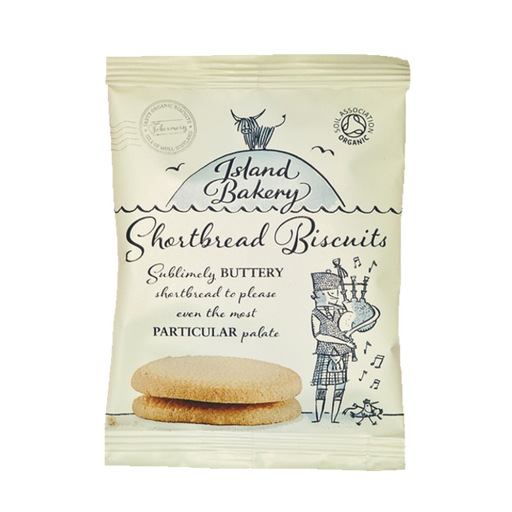
This shortbread option can be checked against the toddler snack-time criteria above. Confirm the inner wrapping and the delivered label before relying on it for a packed snack.
 No image available
For an occasional shortbread choice, check how the 25g product is wrapped and how many biscuits are inside before using it as a single packed snack. Read the delivered ingredient and precautionary-allergen statements against the child’s requirements.
The wrapper makes a biscuit easier to pack, but does not change the snack itself. For routine snacks, the NHS gives examples including fruit and plain unsweetened yoghurt; Leeds Teaching Hospitals NHS Trust advises keeping sweet snacks to mealtimes because dental decay is linked to how often sugary foods are eaten.
No. Walker’s lists one 20 g finger per wrapper in its single-finger case and two fingers totalling 40 g per wrapper in its twin-pack display box. Check the inner pack count for the exact product you choose.
Consider whether the child can manage its size, shape and texture, and supervise eating. The NHS advises considering those characteristics when preparing food to reduce choking risk; individual wrapping is not a substitute for that check.
Ask the particular nursery about its food and allergy policies before packing it. The NHS advises checking nursery food policies, and the exact biscuit’s label still needs to match the child’s requirements.
A wrapper does not establish allergy suitability. The checked classic Dean’s and Walker’s products list wheat and milk, while the Walker’s packs also warn that they may contain nuts. Read the exact product’s ingredient and precautionary statements rather than relying on its brand or pack format.