
24/7 Customer Support

Free returns

Same-day & Next-day Delivery

Quality Guaranteed

Unlock Your Welcome Offers: FREE Delivery | Up to 80% OFF | Free 30-day JoyPlus trial
Download the APP
Bringing a touch of green indoors can transform a living space, but choosing the right indoor planters is often more complicated than it seems. Many find themselves with a stylish pot that harms their plant or a design that simply doesn't last. As a Joybuy Product Recommendation Officer, my role is to help you navigate the market and find pieces that are both beautiful and practical for your UK home.
Before you make a purchase, it's crucial to be aware of a few common pitfalls that can lead to disappointment and wasted money.
To ensure your chosen house plant pots are a sound investment, focus on these core parameters. They will help you filter out subpar options and select a planter that truly meets your needs.
The material of your planter affects its weight, durability and suitability for your plant.
For anyone planning to keep live plants, drainage is essential. Always check the product description for mention of a drainage hole. If the planter you love doesn't have one, you have two options: use it as a cachepot (a decorative outer pot that holds the plant's nursery pot) and remove the plant for watering or be prepared to carefully drill a hole yourself. For a hassle-free experience, a pot with a built-in hole and a matching saucer is the ideal combination to protect your surfaces.
Consider where the planter will live. A small, charming pot is perfect as a desk plant pot, but it would be lost in a large living room. Conversely, a large floor planter will overwhelm a small shelf. Measure your space and consider the mature size of your plant. A pot that is 2-5 cm (1-2 inches) wider in diameter than the plant's current container is a good rule of thumb to allow for growth without providing excessive space.
Based on these practical criteria, here are a few recommendations matched to different needs and lifestyles.
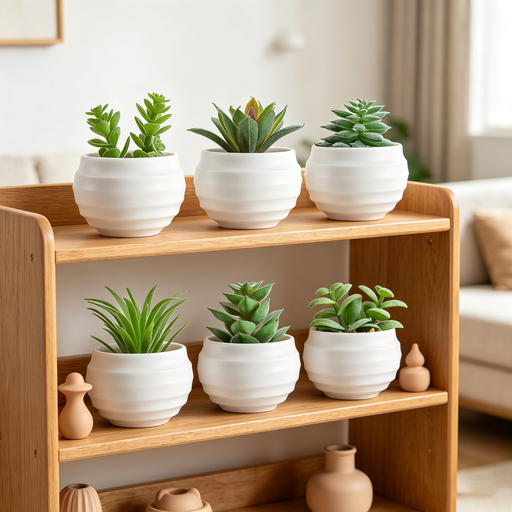
Why This Fits Their Persona: For those with a packed schedule, these small fake plants offer the aesthetic benefit of greenery without any of the maintenance. They are perfect for adding life to a home office desk, a bathroom shelf or a living room corner without the worry of watering or sunlight.
As these are artificial, the "No-Drainage Deception" is irrelevant. They require zero care, bypassing the most common reason for plant failure and making them a foolproof decorative solution.
The set of six offers versatile styling options. Made from durable plastic, they are lightweight and maintain their appearance year-round without any effort.
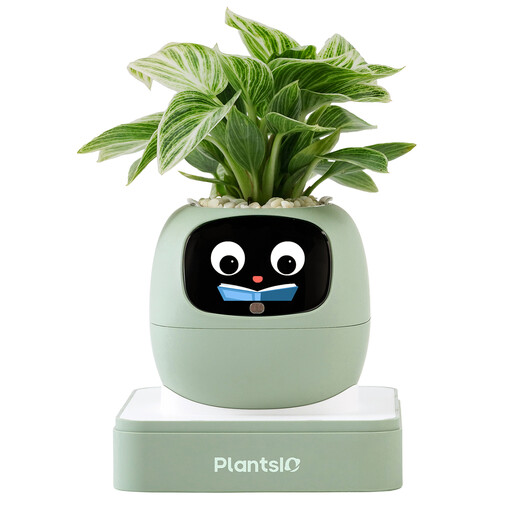
Why This Fits Their Persona: This is for the individual who loves both greenery and gadgets. The Ivy smart plant pot takes the guesswork out of plant care by using sensors to monitor humidity, water and light, communicating the plant's needs through interactive facial expressions.
It directly solves the watering issue associated with the no-drainage trap. The smart system ensures the plant gets exactly what it needs, preventing both overwatering and underwatering.
It turns plant care into an interactive experience. With over 80 expressions and multiple sensors, it provides real-time feedback, making it a fun and engaging addition to a modern home or office.
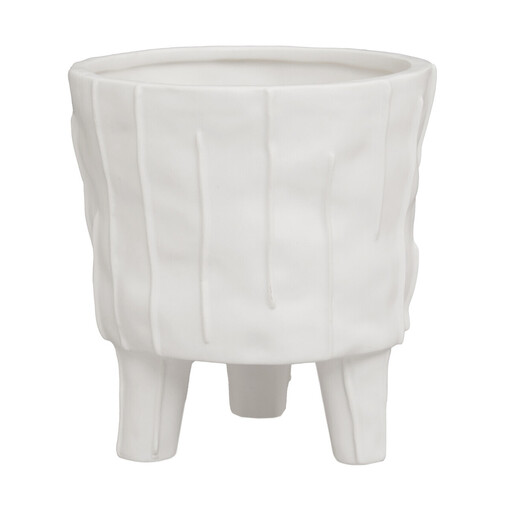
Why This Fits Their Persona: This individual seeks a modern plant pot that is a statement piece. The Fara planter's geometric tripod design and textured white finish offer a sophisticated, coastal-inspired aesthetic that elevates interior decor.
It counters the "Unstable by Design" pitfall with its sturdy three-legged base, ensuring balance. It also avoids "Material Misinformation" as it is crafted from genuine dolomite, a type of stoneware.
The handcrafted, distressed finish means each piece has a unique character. Its durable ceramic construction and stable tripod form make it a lasting and stylish home for a favourite plant.
We have compiled a complete, real-time list of products that fully satisfy these strict selection criteria and UK safety regulations.
For live plants, yes, a drainage hole is highly recommended to prevent root rot from overwatering. If you choose a planter without one, you should use it as a decorative cachepot and remove the inner pot for watering. For artificial plants for home decor, drainage holes are not necessary.
Though often used interchangeably, there can be a distinction. A 'pot' is typically the direct container the plant grows in (like a plastic nursery pot). A 'planter' can be a more decorative outer container that the pot sits inside. Many of the pots for indoor plants sold today combine these functions, serving as a single, stylish vessel.
A good guideline is to select a pot that is 2-5 cm (1-2 inches) larger in diameter than the plant's current pot. This provides enough room for root growth without creating an overly large volume of soil that can stay wet for too long, which could harm the plant.