
24/7 Customer Support

Free returns

Same-day & Next-day Delivery

Quality Guaranteed

Unlock Your Welcome Offers: FREE Delivery | Up to 80% OFF | Free 30-day JoyPlus trial
Download the APP
Keeping an eye on your home when you are not there provides invaluable peace of mind. Whether you want to check in on a sleeping baby, see what your pets are up to during the day, or ensure an elderly relative is safe and comfortable, a modern indoor security camera offers a simple and effective solution.
However, the market is filled with options, each with a long list of technical specifications. This guide is designed to help you understand the key features that matter, so you can choose a reliable wifi camera that fits your needs without getting lost in the marketing hype. We will look at what makes a good camera for monitoring your home and highlight a few models that offer practical features for UK households.
Before diving into specific products, let's break down the most important features to consider. Focusing on these three areas will help you narrow down your search for the right home security camera.
The core of any modern indoor camera is its ability to connect to your home network and be controlled remotely.
What you can see and how clearly you can see it is paramount.
Today’s cameras do more than just record. They can facilitate communication and provide intelligent alerts.
Based on the features that offer genuine, practical benefits for daily use, here are our recommendations.
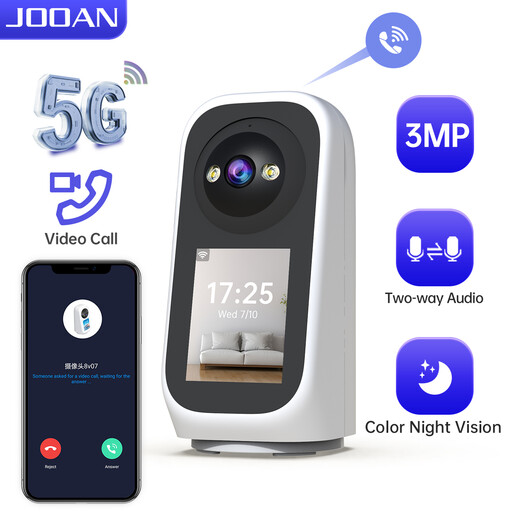
Why It Stands Out: This camera’s most distinctive feature is its integrated 2.8-inch screen and a one-click calling button. This transforms it from a simple monitoring device into a two-way communication hub, allowing someone at home to initiate a video call to the app user with a single press.
Pros:
Who is it for?: This is an excellent choice for those caring for elderly relatives or for families with young children. The ability for a less tech-savvy person to easily start a video call provides an extra layer of connection and reassurance.
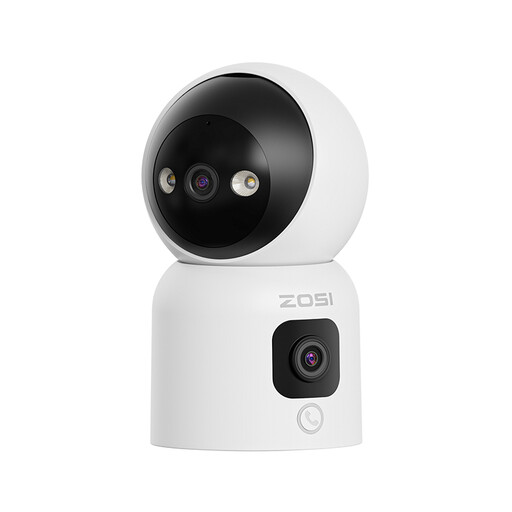
Why It Stands Out: The ZOSI C528D4 offers a unique dual-lens system. One lens provides a wide, panoramic view of the room, while the second lens can pan and tilt to track movement. This means you can follow an object of interest without losing sight of the overall space.
Pros:
Who is it for?: Ideal for monitoring large, active areas where multiple things might be happening at once. It is a strong candidate for general home security camera use or for households with active pets and children.
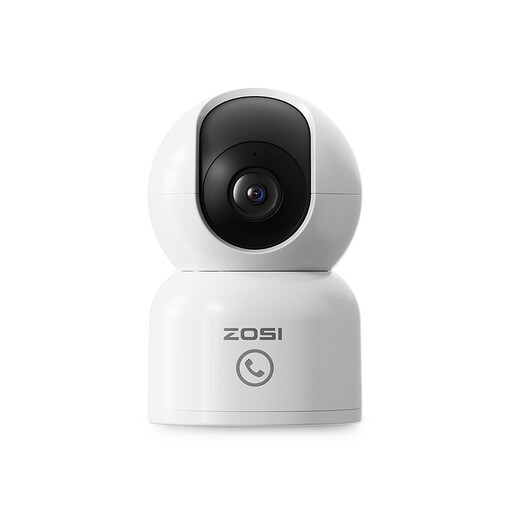
Why It Stands Out: This camera’s main advantage is its 4MP (2.5K) resolution, which delivers a significantly sharper and more detailed image than standard 1080p or 2MP cameras. This clarity is particularly useful when you need to zoom in to see details from across the room.
Pros:
Who is it for?: This is a great option for anyone who prioritises image quality. Its high resolution makes it a fantastic baby monitor for checking on subtle movements in a cot or a superior pet camera for capturing your furry friend's expressions in detail.
These three cameras represent a great starting point, each offering a unique blend of features for different needs. However, the right choice always depends on your specific home environment and priorities. If you are interested in exploring a wider variety of models, you can browse our full collection of security cameras with audio to find the perfect fit for your home.
Most indoor cameras offer two storage options: local storage via a microSD card (which you usually purchase separately) and optional cloud storage. You can typically use all the main functions of the camera with just a microSD card. Cloud storage services, which store your recordings online, often require a monthly subscription but provide the benefit of off-site backup. Many brands offer a free trial period for their cloud service.
Yes, many people find that a modern indoor security camera is a more versatile and cost-effective option than a traditional baby monitor. Look for models with clear night vision, two-way audio to soothe your baby with your voice and a reliable camera with app that sends sound or motion alerts directly to your phone.
To protect your privacy, it is crucial to secure your camera. Always change the default password to a strong, unique one as soon as you set it up. Ensure your home WiFi network is protected with WPA2 or WPA3 encryption. If the camera's app offers two-factor authentication (2FA), enable it for an extra layer of security on your account. Finally, keep the camera's firmware updated to benefit from the latest security patches.