Regular batch cooks with a large stockpot
If you make several portions at once, look for space for the stockpot and a second pan. Consider how you will adjust a simmer and clean up sauce splashes afterwards.


Choose induction for batch-cooked lentil bolognese if your stockpot has a magnetic base and you want heat generated directly in the pan. Choose ceramic if keeping non-magnetic cookware matters more. With either type, check that the largest zone suits your stockpot, that there is room for any other pans you use, and that the exact hob fits the worktop and electrical connection.
If you make several portions at once, look for space for the stockpot and a second pan. Consider how you will adjust a simmer and clean up sauce splashes afterwards.
Check whether your stockpot has the magnetic base needed for induction. The replacement hob’s dimensions, connection method and electrical requirements also need to suit your kitchen.
If you want a familiar four-zone layout, compare the required cut-out rather than relying on the hob’s advertised width. A ceramic model and a specifically designated plug-in induction model present different cookware and connection checks.
Decide whether your existing stockpot makes induction practical, then compare pan space and installation requirements for the exact models you are considering.
Consider it when: Your pans have magnetic bases and you want direct pan heating in a four-zone layout. Bosch describes its PUE611BB5B as Plug & Play.
Allow for: Plug-in status belongs to the exact model; it does not establish how another induction hob connects.
Consider it when: You use wide cookware or several pans and have room for a larger hob. AEG says the SK85IM0XFB has five zones and DoubleBridge, which joins zones on two areas of the hob.
Allow for: This AEG model is 780 mm wide, needs a 750 × 490 mm cut-out and is specified for hardwired installation.
Consider it when: You want to keep a non-magnetic stockpot. Hotpoint’s HR 612 C H illustrates a four-zone ceramic layout with a double-ring zone.
Allow for: Ceramic elements heat through the glass, which can remain hot after cooking; pay attention to residual-heat indicators before cleaning.
| Concern | What to check | Who this matters to |
|---|---|---|
| Stockpot and pan space | Check the largest zone’s usable size and position, plus whether joined zones suit your cookware. | I need my large sauce pot on the hob while another pan is in use; around 40% of consumers would put pan space first. |
| Heating and clean-up | Compare induction’s direct pan heating with ceramic’s heated glass, and check the controls and residual-heat indication. | When I adjust a long simmer and wipe up splashes, I care most about how the hob heats and cools; roughly 30% of consumers would prioritise this need. |
| Cookware and installation | Test pan bases for induction compatibility; compare the cut-out, connection method and electrical requirements with your kitchen. | I want to keep my cookware and avoid choosing a hob that cannot be fitted as planned; about 30% of consumers would make compatibility and installation their primary concern. |
An induction zone needs to recognise a magnetic pan base. If the pot you use for batches is unsuitable, it will not serve that cooking task on induction.
Test the base of your stockpot and other frequently used pans with a magnet before deciding between induction and ceramic.
Choosing induction may also mean replacing cookware you intended to keep.
Appliance width and the required worktop opening are different measurements. AEG specifies a 750 × 490 mm built-in opening for its SK85IM0XFB.
Measure the existing cut-out and compare it with the installation drawing for the exact replacement model.
A mismatched opening may require worktop alterations.
Bosch describes the PUE611BB5B as Plug & Play, whereas AEG specifies hardwired installation for the SK85IM0XFB. The connection depends on the model.
Read the electrical specification and installation instructions; ask a qualified electrician if the connection or circuit suitability is unclear.
A hardwired model may require professional installation or electrical work.
A ceramic surface can remain hot after the controls are switched off, including when you are clearing up after cooking.
Check the residual-heat indicator and keep cloths and utensils away from the surface until it is safe to clean. A timer does not replace supervision.
Bosch’s induction range includes the four-zone PUE611BB5B, which Bosch describes as Plug & Play.
AEG’s 6000 MultiBridge SK85IM0XFB is an induction example for kitchens where wider cookware or several pans are a priority.
Hotpoint’s HR 612 C H provides a four-zone ceramic example for shoppers who prefer to keep non-magnetic cookware.
Siemens describes flexInduction options that can link zones for oversized pans and griddles.
These induction models offer four-zone layouts for using a batch-cooking stockpot alongside other pans; the Belling model also lists a flexible bridge. If keeping a non-magnetic stockpot is your priority, compare ceramic hobs instead. For every induction option, check stockpot compatibility and the exact installation requirements before ordering.
 No image available
Consider this model if you need room for several pans and want to assess a joined cooking area for larger cookware.
Its title specifies four zones, a flexible bridge, touch controls and boost mode. Check the bridge’s usable dimensions against your stockpot, and confirm worktop fit and electrical suitability before ordering.
 No image available
Consider this four-zone model if you want to cook a batch alongside other pans and can accommodate a hardwired hob.
Check the required cut-out and largest-zone dimensions against your kitchen and stockpot. Its hardwired installation also calls for an electrical suitability check; it is not the Bosch Plug & Play model discussed above.
 No image available
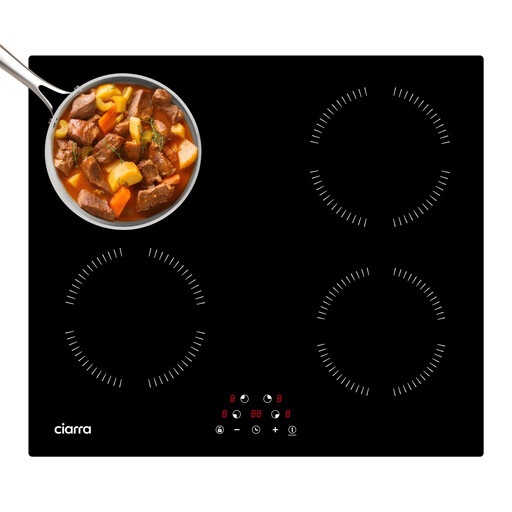
This four-zone layout is relevant if you prepare bolognese in a stockpot while using another pan.
Confirm the largest zone’s size and position, the required cut-out and the electrical connection for this model. Your stockpot must have a magnetic base for induction.
 No image available
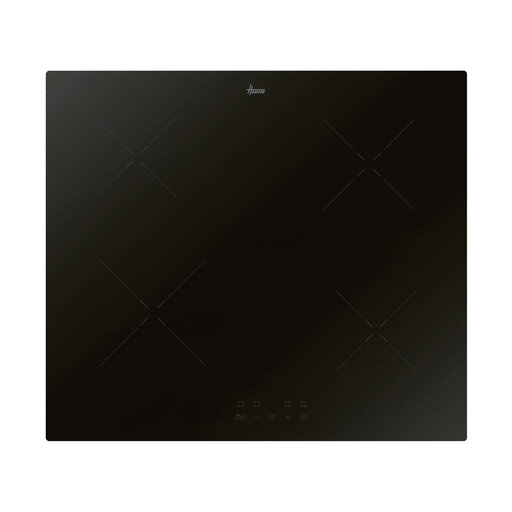
Consider its four-zone layout if your batch-cooking routine uses a stockpot and additional pans.
Check that the largest zone suits your pot. The model calls for hardwired installation, so confirm the electrical requirements and worktop fit against its installation instructions.
 No image available
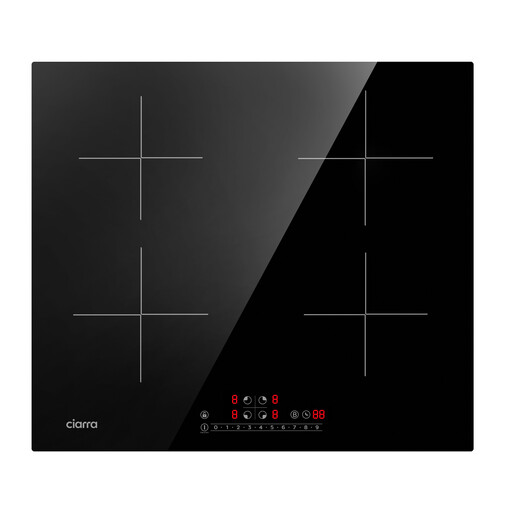
Its four-zone layout is worth considering when a batch pot and other pans need space at the same time.
The title specifies touch controls, nine power levels and a booster. Check the largest-zone dimensions, cut-out and connection requirements for this SKU, and test your stockpot’s base for induction compatibility.
It needs a magnetic base that the hob can recognise. Test the base with a magnet before choosing induction; if the pot is unsuitable and you want to keep using it, consider a ceramic hob.
Not necessarily: the visible width does not establish the required built-in opening. Measure the existing cut-out and compare it with the installation drawing for the exact replacement model.
Check the exact hob’s connection method, electrical requirements and installation instructions before deciding. A model described as plug-in and one specified for hardwiring have different requirements; consult a qualified electrician if your existing connection or circuit suitability is unclear.
Wait until the surface is safe to clean and follow the hob manufacturer’s instructions. Avoid abrasive cleaners and dragging rough-bottomed pans across the glass; Siemens warns that both can cause fine scratches on standard ceramic glass.