Choose induction if your pans have magnetic bases and you want responsive heat adjustment when moving from softening leeks to a gentle simmer. Choose ceramic if keeping a wider range of existing pans matters more, while allowing for its surface to remain hot after switch-off. For either type, check the exact model’s simmering performance, worktop cut-out and electrical connection before ordering.
Who is choosing this hob?
Gentle-simmer cooks
If you regularly make creamy vegetables or sauces, focus on controllable low heat after the initial softening stage. Which? identifies the ability to maintain a gentle simmer as an important hob capability; quick boiling alone does not establish it.
Cooks keeping their pans
If replacing everyday non-magnetic pans would disrupt your cooking, compare ceramic hobs before committing to induction. Bosch describes ceramic as compatible with a wider range of pots and pans, while induction needs magnetic cookware.
Multi-pan meal cooks
If creamy leeks are one part of a meal, compare zone layouts against the pans you use together. A bridge or flexible zone may matter for larger cookware, but the worktop opening and electrical requirements must suit the exact model.
What matters when buying?
Start with the pans you intend to keep, then assess low-heat control and the space needed for the rest of the meal. Neither an induction nor a ceramic label tells you how well an individual hob will simmer creamy leeks.
| Concern |
What to check |
Who this matters to |
| Gentle heat |
Look for independent simmering assessments where available, and examine the exact model’s low-heat controls. |
If I soften leeks before adding cream, I need to turn the heat down without losing a steady, gentle simmer. Around 40% of consumers put that control first. |
| Existing pans |
Test frequently used pan bases with a magnet before choosing induction; check pan-base and zone suitability for either hob. |
Keeping the pans I use every day matters more to me than changing hob technology. For around 30% of consumers, pan continuity is the primary need. |
| Meal space and clean-up |
Compare zone sizes with pans used together, and check residual-heat indication and the exact cut-out dimensions. |
When leeks cook alongside other dishes, I need enough usable space and a surface I can clean once it is safe to touch. Those needs come first for around 30% of consumers. |
Mistakes to avoid
-
Choosing induction before checking your pans
Induction needs magnetic cookware, so an everyday pan that does not work on it may have to be replaced.
Test the bases of the pans you use most with a magnet, then decide whether keeping them makes ceramic the more practical route.
Replacing essential non-magnetic cookware adds another purchasing task.
-
Using boiling speed as a simmering test
A fast boost setting does not show whether a hob can hold the gentle heat needed after the leeks have softened.
Give low settings and model-specific simmering assessments more weight than boost functions when comparing hobs for creamy dishes.
-
Ordering by visible hob width alone
The worktop opening and connection can differ from what the headline width suggests. For example, AEG specifies a 750 × 490 mm built-in opening and a hardwired connection for its TO84IB00FB.
Compare the exact installation drawing, cut-out, clearances and electrical specification with your kitchen, then check the installation requirements at your address.
A mismatched opening or connection can mean worktop alteration or additional installation work.
-
Assuming a switched-off glass hob is cool
Bosch notes that a ceramic cooking surface remains hot after switch-off, which affects when you can safely touch or clean it.
Keep utensils away from hot zones and let the surface cool before cleaning; where fitted, use the model’s residual-heat indication as a warning.
Hob brands for reference
Bosch
Bosch offers induction and ceramic ranges for comparing magnetic-pan cooking with broader cookware compatibility.
- Bosch describes induction as heating compatible cookware directly and ceramic as working with a wider range of pans.
- Zone features, dimensions and connection requirements depend on the particular model.
AEG
Selected AEG induction hobs are relevant if you use larger pans or cook several dishes together.
- AEG says the Bridge function on its TO84IB00FB combines two cooking zones.
- That model is 780 mm wide, needs a 750 × 490 mm built-in opening and is hardwired only; these specifications do not describe every AEG hob.
NEFF
Selected NEFF models are worth examining if flexible pan placement or a removable control appeals to you.
- NEFF lists flex-induction zones, cookware detection and a removable TwistPad control for the T56TT60N0.
- Check the exact model rather than assuming those features apply across the NEFF range.
Hotpoint
Selected Hotpoint induction hobs offer named programmes for cooks comparing ways to manage low-heat tasks.
- Hotpoint lists Melting, Keep Warm and Slow Cooking functions for the TS 5760F NE.
- The programme names alone do not establish how that model will perform with your pan or recipe; check its controls and installation requirements.
Joybuy hob choices
These built-in hob choices include models named as ceramic or induction. Check each model’s heating technology before relying on pan compatibility, and compare its cut-out and connection requirements with your kitchen.
 No image available
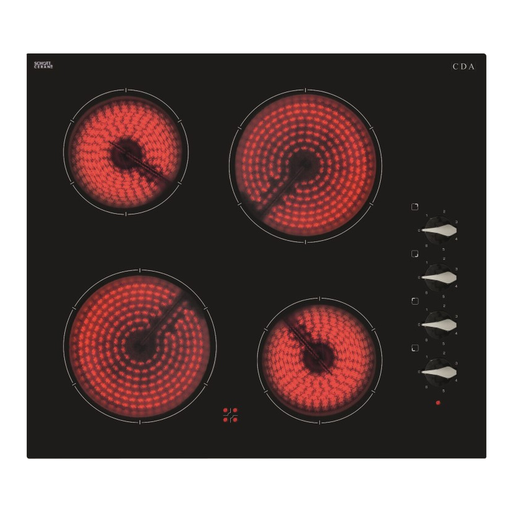
CDA HC6212FR 60 cm four-zone ceramic hob
A ceramic option to consider if keeping a broad range of existing pans is the priority.
The frameless black-glass model has four zones. Check its low-heat control, worktop cut-out and electrical connection for your kitchen; allow the ceramic surface to cool before cleaning.
View on Joybuy
 No image available
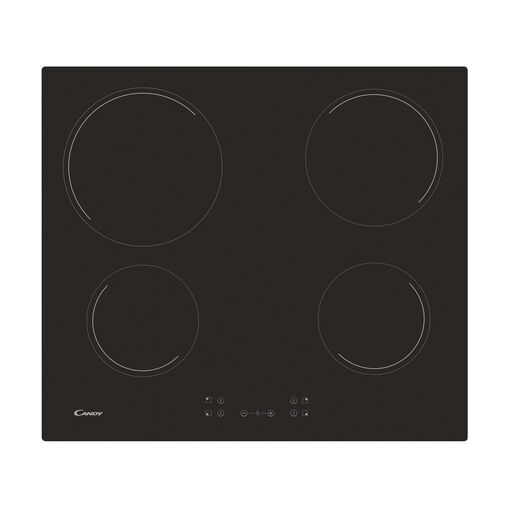
CANDY CH64CCB 59 cm ceramic hob
A model to examine if pan compatibility is central to your choice.
Its product name describes a ceramic hob; confirm the heating technology on the exact product before deciding which pans to use. Check low-heat control, cut-out dimensions and electrical connection before ordering.
View on Joybuy
 No image available
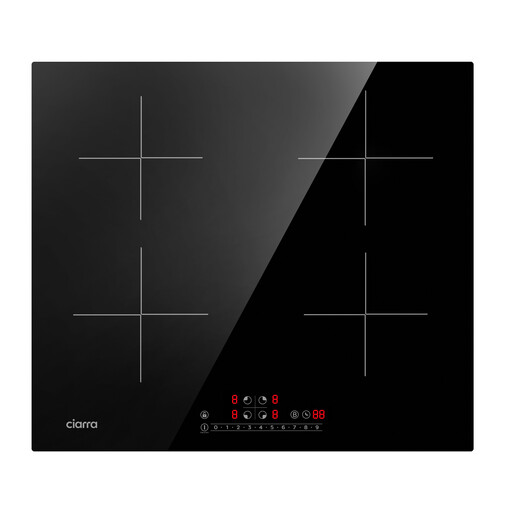
Ciarra four-zone built-in induction cooktop
A four-zone model to consider when creamy leeks are cooked alongside other dishes.
Its product name specifies induction, but confirm the heating technology and controls for the exact model before choosing cookware. Check its low-heat settings, worktop cut-out and electrical connection for your installation.
View on Joybuy
Common questions
Is induction or ceramic better for cooking creamy leeks?
Induction suits cooks with magnetic pans who want responsive heat adjustment; ceramic suits those who place more importance on keeping a wider range of existing pans. For a gentle creamy simmer, assess the exact hob’s low-heat performance rather than assuming either technology will perform alike.
Will I need new pans for an induction hob?
You may need replacements if your frequently used pans do not have magnetic bases. Test them with a magnet before choosing induction, and check that their bases suit the cooking zones; ceramic accommodates a wider range of cookware.
What should I measure before buying a built-in hob?
Measure the worktop opening as well as the available space for the visible hob, then compare both with the exact model’s installation drawing and electrical requirements. AEG, for instance, specifies a 750 × 490 mm built-in opening and a hardwired connection for the TO84IB00FB.
Are electrical-installation requirements the same throughout the UK?
No. GOV.UK’s Approved Document P addresses electrical safety in dwellings in England, while Electrical Safety First notes that statutory requirements differ across UK jurisdictions. Check the rules and appropriate installation route for the address where the hob will be fitted.


