Choose induction if the cottage’s pans are compatible, the electrical supply suits the selected hob and you want responsive heat when browning chicken before simmering a fricassee sauce. Choose ceramic if accommodating a wider mix of existing pans matters more; either way, check the exact cut-out, connection and electrical requirements before ordering a fitted replacement.
Who is choosing the hob?
Holiday-let owners replacing a fitted hob
You need a hob that fits the worktop and electrical installation, with controls that changing guests can understand. Bosch UK advises checking the selected model’s measurements and connection load rather than relying on its nominal width.
Hosts who want control over sauce cooking
Chicken fricassee involves browning chicken, then lowering the heat for a sauce simmer. Induction’s direct heating makes it worth considering for that change of heat, provided the pans are compatible; controls and additional functions vary by model.
Hosts keeping a mixed set of cottage pans
If guests use the pans already in the kitchen, compatibility may decide the hob type. NEFF says induction needs a ferromagnetic pan base, while Bosch UK describes ceramic hobs as heating cookware through radiant elements.
What matters when choosing?
Start with the pans guests will use and whether the replacement can be installed. Then consider how you want to control the change from browning chicken to simmering sauce, and whether the supplied pans need a flexible cooking zone.
| Concern |
What to check |
Who this matters to |
| Cookware and guest use |
For induction, test supplied pan bases with a magnet and check that they suit the intended zones. Consider ceramic if retaining mixed cookware is the priority. |
If guests will rely on the cottage’s existing pans, I want them to be able to start cooking without discovering that a pan will not heat; around 36% of consumers put cookware compatibility first. |
| Browning and simmering |
Compare the selected hob’s zone controls and any timer functions; check pan compatibility before choosing induction for its heat response. |
When chicken needs browning before the sauce simmers, I want to lower the heat without struggling to control it; around 29% of consumers make cooking control their primary concern. |
| Installation fit |
Compare the existing opening and space below the worktop with the exact installation instructions. Have the connection type and electrical load assessed. |
Replacing a fitted hob, I need the new appliance to work with the kitchen’s worktop and supply; around 21% of consumers put installation fit first. |
| Room for larger pans |
Compare the supplied pans with zone sizes. Consider a bridge or flex zone if a wide or oblong pan needs one cooking area. |
For group meals, I need space for a wide pan alongside everyday saucepans; around 14% of consumers prioritise accommodating larger cookware. |
Mistakes to avoid
-
Assuming every 60 cm hob fits the same opening
Nominal width does not establish the required worktop cut-out, space beneath it or electrical connection. AEG UK specifies a 560 × 490 mm built-in opening and a hardwired-only connection for its TO64IC0XFB induction hob; those details apply to that model, not every 60 cm hob.
Measure the existing opening and cabinet space, compare them with the exact installation instructions and have the electrical supply assessed before ordering.
A mismatch can mean worktop alterations or electrical work before the hob can be installed.
-
Installing induction without checking the guest pans
NEFF says induction cookware needs a ferromagnetic base. A pan that does not suit the hob can interrupt meal preparation even when the appliance itself is working.
Test each supplied pan with a magnet, check its base against the intended zone and make compatible cookware easy for guests to identify.
Unsuitable supplied pans may need replacing.
-
Treating a boost feature as an installation check
A boost setting does not show whether the cottage’s electrical installation suits the appliance. AEG UK cautions that insufficient power can limit a hob’s functionality.
Check the exact model’s connection requirements and total electrical load with a qualified professional before relying on its cooking functions.
-
Overlooking heat left in a ceramic zone
A ceramic hob heats through radiant elements beneath the glass, so guests need to recognise that a recently used zone may still be hot after cooking.
Consider whether the chosen model has a clear residual-heat indicator, give guests simple operating instructions and keep heat-sensitive items away from a recently used zone.
Brands to consider
Bosch
Bosch offers both induction and radiant ceramic electric hobs, making its ranges relevant when cookware compatibility is still an open question.
- Bosch UK describes ceramic hobs as using radiant elements, while induction requires suitable cookware. Its PUG61RAA5B is a 60 cm induction model with Plug & Play.
- Check the features, connection load and installation measurements of the individual model; one Bosch hob’s specification does not apply across the range.
AEG
AEG is relevant if you are comparing a specified built-in induction installation or want to investigate a bridge zone for larger cookware.
- AEG UK lists a 560 × 490 mm built-in opening and hardwired-only connection for the TO64IC0XFB. Its Bridge range includes models that combine two zones.
- Those installation details and zone functions are model-specific. Compare the exact hob with the cottage’s opening, supply and pans.
NEFF
NEFF’s flexible-zone induction range is relevant where the cottage’s supplied cookware includes pans that need more placement flexibility.
- NEFF lists flexible cooking zones and automatic cookware detection for the T56UD50X0.
- NEFF says induction pans need a ferromagnetic base. Check the supplied pans and the selected model’s installation requirements separately.
Induction hobs for this kitchen
These Joybuy choices are fitted induction hobs for a cottage kitchen. The first two include a bridge or flexible-zone feature in their names; all five call for a cookware check and a comparison with the cottage’s installation before purchase. If keeping mixed, non-induction-compatible pans is your deciding need, consider the ceramic route instead.
 No image available
Belling IHL773 BLK 77 cm induction hob
Consider its flexible bridge if a larger supplied pan needs more cooking space. This four-zone model lists touch controls and a boost mode; check whether its 77 cm width, required opening and electrical connection suit the cottage.
View on Joybuy
 No image available
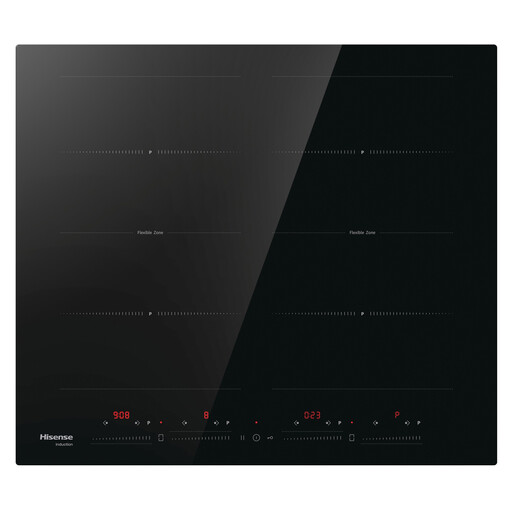
Hisense HI6442BSCE 60 cm induction hob with Area Flex
Area Flex is worth considering if the cottage supplies a larger pan. Before choosing this 60 cm induction model, compare its exact cut-out and electrical requirements with the kitchen and check that the supplied pans work on induction.
View on Joybuy
 No image available
Ciarra 60 cm four-zone built-in induction hob
This four-zone induction hob is a candidate for a fitted kitchen using compatible pans. Check the model’s installation instructions against the existing opening, connection and electrical supply before ordering.
View on Joybuy
 No image available
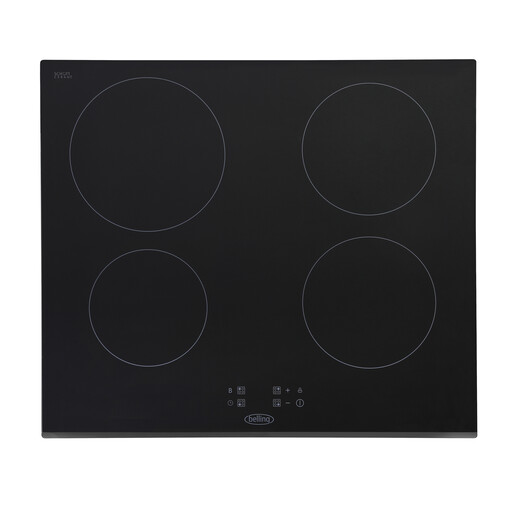
Belling ComfortCook IHT603 60 cm induction hob
This 60 cm induction model suits consideration where the cottage’s supplied pans have suitable magnetic bases. Confirm its required cut-out, connection and electrical load against the existing installation.
View on Joybuy
 No image available
Hoover HI642BCB 60 cm four-zone induction hob
This four-zone induction hob is another option for a kitchen stocked with compatible pans. Check the exact worktop opening and have its connection and electrical requirements assessed for the cottage.
View on Joybuy
Common questions
Should I choose induction or ceramic for chicken fricassee?
Choose induction if responsive heat when moving from browning chicken to simmering sauce is your priority and the cottage’s pans are compatible. Ceramic is worth considering if retaining a mixed set of pans matters more; remind guests that a recently used ceramic zone can remain hot.
How do I check whether the cottage’s pans work on induction?
Check whether a magnet is attracted to each pan’s base, then compare its base size with the intended cooking zone. NEFF says induction needs a ferromagnetic base and that cookware size and quality can affect detection and cooking.
Can I replace the existing hob with an induction model of the same width?
Not on width alone: compare the exact model’s cut-out, space and installation instructions with the kitchen, then check its connection and electrical load. Bosch UK advises consulting an electrician about electrical capacity, and AEG UK warns that insufficient power can limit appliance functionality.
Do England’s residential-tenancy electrical rules automatically cover a short-stay holiday cottage?
Do not assume they apply solely because the property is let: GOV.UK’s residential-tenancy guidance describes its scope in terms of tenants occupying premises as their only or main residence. For an English holiday cottage, consult GOV.UK’s separate self-catering guidance and confirm the property’s applicable obligations with the relevant local authority or a qualified professional.


