Careful small-batch cooks
If you expect to whisk lemon curd in one small saucepan, manageable heat adjustments matter more than extra cooking zones. For induction, check that the pan has a flat, magnetic base and fits a zone on the hob you choose.


For a small saucepan of lemon curd that needs frequent heat adjustments, induction is a sensible choice if the pan has a flat, magnetic base and fits the chosen zone. A radiant ceramic hob avoids induction’s magnetic-base requirement, but its retained heat needs attention when you lower the power. Whichever route you prefer, check the worktop cut-out, electrical connection and number of pans you expect to use at once before choosing a model.
If you expect to whisk lemon curd in one small saucepan, manageable heat adjustments matter more than extra cooking zones. For induction, check that the pan has a flat, magnetic base and fits a zone on the hob you choose.
If you would rather not change a non-magnetic saucepan, a radiant ceramic hob avoids the induction-specific magnetic-base requirement. Pan size and a flat base are still worth checking against the hob’s instructions.
If the curd is only one part of the meal, count the pans you expect to use together. Extra zones or flexible cooking areas may be useful, provided the wider hob fits the worktop and its electrical requirements can be met.
Start with the saucepan and the heat controls you will use while whisking; then check whether the hob fits your kitchen and leaves enough zones for the rest of the meal. Induction heats a compatible pan directly, while radiant ceramic lets you keep cookware that does not meet induction’s magnetic-base requirement.
Choose it when: You want responsive adjustments for saucepan cooking and have a suitable magnetic pan.
Bear in mind: A magnetic base alone does not establish that your small saucepan fits every model’s zone-size limits.
Choose it when: Keeping a non-magnetic saucepan matters more than induction’s direct pan heating.
Bear in mind: The cooking area retains heat after you turn the power down.
Choose it when: You regularly cook several dishes at once or need more flexibility in arranging cookware.
Bear in mind: The wider format needs a suitable worktop opening; flex features are not necessary for one pan of curd.
| Concern | What to check | Who this matters to |
|---|---|---|
| Manageable saucepan heat | Compare the power controls you would use while whisking, and check that your saucepan fits the intended zone. | When I am stirring a small pan of curd, I want to lower the heat promptly rather than choose a hob for its boost setting; around 50% of consumers put saucepan control first. |
| Cookware and installation fit | For induction, test the saucepan base with a magnet; for any hob, check the cut-out and electrical connection instructions. | I want to keep my current pan and avoid choosing a hob that cannot fit or connect in my kitchen. Around 30% of consumers make cookware and installation continuity their primary concern. |
| Room for other dishes | Count the pans you use together, then compare zone layouts with the available worktop width. | If the curd cooks alongside the rest of dinner, I need space for those pans without assuming the widest hob will fit; around 20% of consumers prioritise simultaneous-pan capacity. |
Induction needs cookware with a magnetic base. A pan must also suit the selected cooking zone; AEG advises checking its base with a magnet and paying attention to its dimensions and flatness.
Test the saucepan you intend to use, then compare its base diameter with the hob manual’s zone guidance.
If the existing saucepan is unsuitable, using induction may mean obtaining compatible cookware.
The surface width does not tell you whether the hob fits the existing worktop opening or how it must be connected. A plug-in feature on one model does not apply to every induction hob.
Measure the cut-out and check the chosen model’s installation instructions and electrical requirements. Ask a qualified installer to assess the supply where needed.
A mismatch can involve worktop alterations or electrical work before the hob can be installed.
Flex zones and connected features address particular cookware layouts and cooking routines; they are not requirements for one saucepan of lemon curd.
Settle the pan, controls, zone count and installation fit first. Consider a bridge area, sensor or app feature only if its stated function suits the other dishes you regularly make.
These brands provide model-specific points of comparison, not a judgement about every hob they make. Check the exact model before relying on a feature or installation dimension.
Bosch Home Appliances GB lists a 60 cm four-zone induction option, the PUG61RAA5B, and a similarly sized four-zone radiant option, the PKE61RAA8B.
Neff Home Appliances GB describes the T69YYV4C0 as a wider induction option for cooks arranging several pans.
Samsung UK lists the NZ84C5047GK/U1 as an 80 cm four-burner induction hob with a Flex Zone and dual-ring cooking area.
AEG’s cookware guidance is useful when deciding whether to keep an existing saucepan for induction cooking.
These choices include four-zone induction hobs for saucepan cooking alongside other dishes, a wider bridged induction hob, a compact two-zone option and a ceramic alternative for keeping non-magnetic cookware. Compare each model’s installation instructions and cooking-zone guidance with your kitchen and saucepan before deciding.
 No image available
Consider this built-in induction option if you have a compatible saucepan and want room to prepare other dishes. Its stated 60 cm format and hardwired connection make the cut-out and electrical supply important checks.
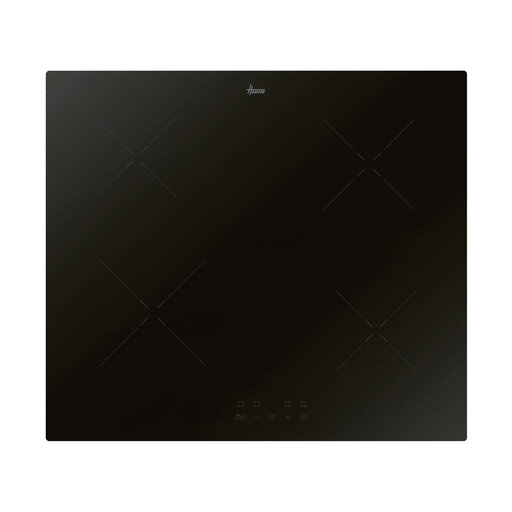 No image available
Its four-zone layout is relevant if the curd will cook alongside other pans. Before choosing it for a small saucepan, check that the pan is magnetic and fits the intended zone, and confirm the kitchen’s installation requirements.
 No image available
Consider the flexible bridge if you regularly arrange several pans or larger cookware while preparing dinner. Check whether the 77 cm format fits your worktop, and confirm that your curd saucepan suits an individual zone.
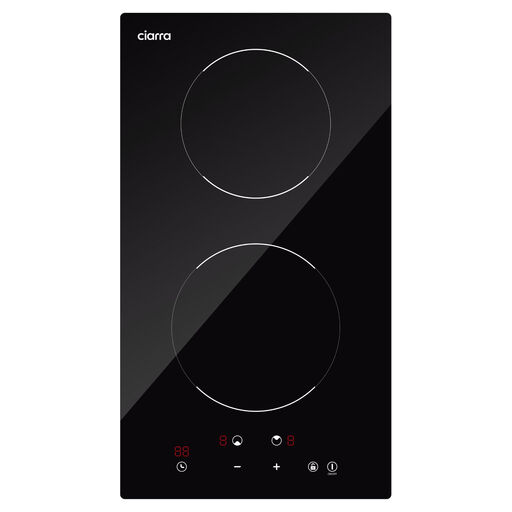 No image available
This compact option is worth considering where worktop width is limited and two zones are enough for the meal. Its title specifies nine power levels; check the saucepan against the chosen zone’s pan-size guidance and review the installation instructions.
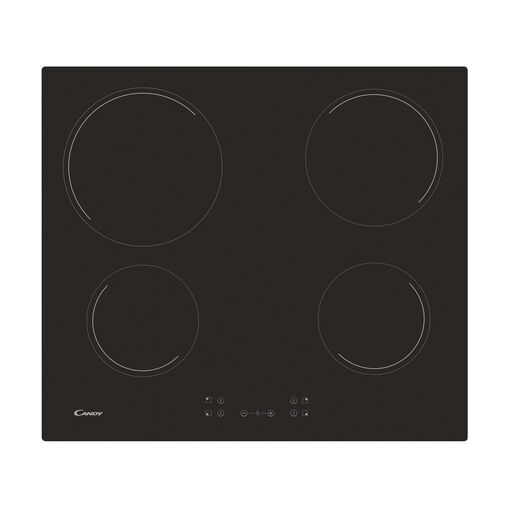 No image available
Consider this ceramic route if keeping a non-magnetic saucepan is a priority. Allow for retained heat when reducing power during curd-making, and check the cut-out, connection and zone dimensions against your kitchen and pans.
Yes, if it has a suitable magnetic base and fits the selected cooking zone. AEG recommends placing a magnet against the base: it should stick strongly. Also check that the base is flat and compare its diameter with the particular hob’s instructions.
A plug-in feature does not, by itself, establish that the hob suits your kitchen. Bosch specifies Plug & Play for its PUG61RAA5B, but you still need to check that model’s instructions, the available connection and the worktop opening; ask a qualified installer to assess the supply if needed.
Not solely to make lemon curd. Choose the zone count and layout around the pans you will use at the same time; consider a wider flex-zone model if that arrangement regularly calls for more room and your worktop can accommodate it. Samsung lists an 80 cm flex-zone option, while Neff’s T69YYV4C0 is a wider five-zone example.
No: Samsung describes app monitoring, timers and alerts for the NZ84C5047GK/U1, but not smartphone switching of the cooktop on or off. Its connected features require a wireless connection, Samsung account and SmartThings app.