Frequent soup and sauce cooks
If you regularly bring liquids towards a boil and then turn them down to simmer, induction is worth considering when your saucepans are compatible. Which? explains that induction heats the pan directly.


Choose induction if your soup pans have flat magnetic bases and you want to reduce the heat promptly after bringing soup towards a boil. Choose ceramic if keeping a wider range of existing pans matters more; with either type, check the low-heat controls, worktop fit and electrical requirements of the exact model before buying.
If you regularly bring liquids towards a boil and then turn them down to simmer, induction is worth considering when your saucepans are compatible. Which? explains that induction heats the pan directly.
If you want to keep non-magnetic saucepans, ceramic offers a more straightforward electric-hob route. Electrolux notes that induction needs cookware with a magnetic base.
If you use a large stockpot, compare its base with the cooking-zone dimensions before choosing extra zone flexibility. AEG and Neff describe linked-zone functions on specific induction models; worktop fit and installation still need checking.
For tomato soup, decide whether your pans suit induction or whether ceramic better preserves your cookware choices. Then compare simmer controls, installation requirements and the safety features you will use.
| Concern | What to check | Who this matters to |
|---|---|---|
| Heating and simmer control | Compare the exact model’s low settings and timer behaviour; check that your soup pan fits its cooking zone. | If I make soup often, I want to turn the heat down promptly once it nears a boil and hold a gentle simmer. Around 36% of consumers place heat control first. |
| Existing saucepans | For induction, test each frequently used pan with a magnet and check the model’s permitted pan-base sizes. | If I intend to keep my current soup pans, I need to know whether induction will heat them before changing hob type. Roughly 29% of consumers put cookware compatibility first. |
| Worktop and connection | Compare the installation sheet’s cut-out and clearance requirements with your kitchen; check the specified electrical connection. | When replacing a built-in hob, I need one that fits the opening and can be connected in my kitchen. About 21% of consumers make installation fit their primary concern. |
| Residual heat and cleaning | Check for residual-heat indication and a control lock, and follow the model’s cleaning instructions. | With soup that can splash or boil over, I want clear warnings about a hot surface and controls that resist accidental changes. Approximately 14% of consumers prioritise these everyday safety and cleaning needs. |
A pan without a suitable magnetic base will not work as intended on an induction zone. Electrolux advises checking cookware compatibility rather than relying on its appearance.
Test the bases of the pans you use for soup with a magnet, then check their sizes against the chosen hob’s instructions.
The worktop cut-out is a separate measurement from the hob’s overall width. General measurement guidance also makes the cut-out relevant to replacement planning.
Measure the existing opening and compare it with the exact model’s cut-out, clearance and ventilation instructions before ordering.
Connection requirements differ by model: Bosch describes the PUG61RAA5B as Plug & Play, while AEG specifies the TO84IB00FB as hardwired only.
Read the chosen model’s installation instructions and arrange an appropriately qualified installer’s assessment where required.
A lock can help prevent accidental control changes, and a residual-heat indicator can warn that a surface is hot. Neither makes hot soup or cookware safe to leave unattended.
Stay with the cooking, keep hands dry when using electrical controls, and wait until the surface is safe to clean after a spill.
The PUG61RAA5B is a Bosch induction example for buyers considering a standard-width built-in hob.
The ceramic HR 612 C H is relevant if keeping non-magnetic cookware is a priority.
The TO84IB00FB is a larger induction option to assess for batch cooking or cookware that benefits from linked zones.
The T58FHW1L0 is an induction example for buyers assessing a wider hob and larger cookware.
These choices include built-in induction and ceramic hobs, plus a portable induction cooker for soup cooking without a built-in installation. Check pan compatibility and the installation or connection requirements of the model you are considering.
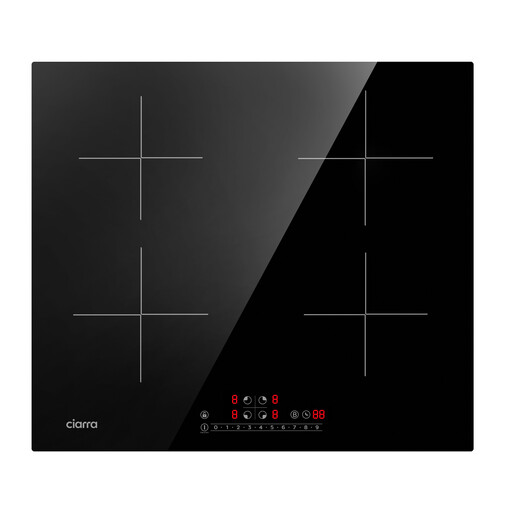 No image available
Consider this built-in induction option if your soup pan has a suitable magnetic base. Its title specifies four zones, touch controls, nine power levels and a booster function.
Check the pan-size guidance, worktop opening and electrical requirements in the model’s installation documentation.
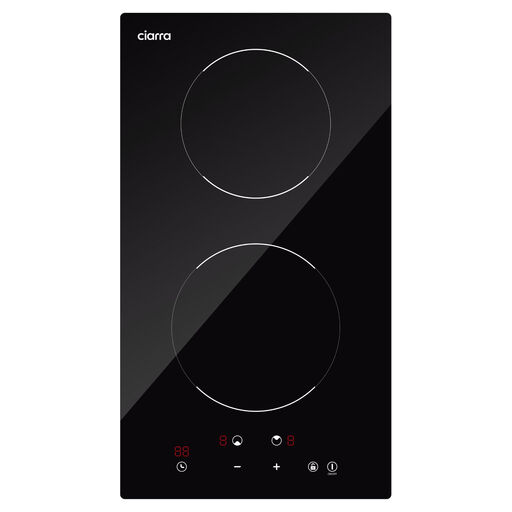 No image available
This compact built-in induction option is worth assessing where worktop space is limited and your soup pan is induction-compatible. Its title specifies 2900 W, nine power levels, a timer, touch controls and a child safety lock.
Confirm the required cut-out, suitable pan sizes and electrical connection in the model documentation.
 No image available
Consider this built-in induction model if your soup cookware has a suitable magnetic base and you are planning a hardwired installation. Its title specifies a 60 cm format and hardwired connection.
Compare the model’s cut-out and electrical instructions with your kitchen before ordering.
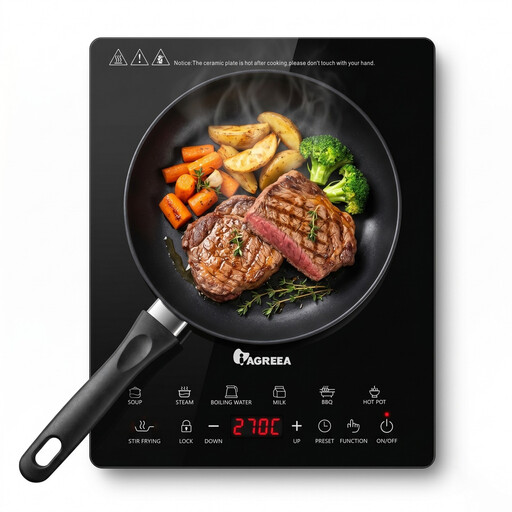 No image available
This is a portable option for cooking soup rather than a replacement for a built-in hob. Its title specifies 2000 W, eight power levels, a 60–270°C temperature-control range, seven presets, a three-hour timer and cookware suitability from 12–26 cm.
Use a suitably sized magnetic pan and check the supplied connection instructions for your intended use.
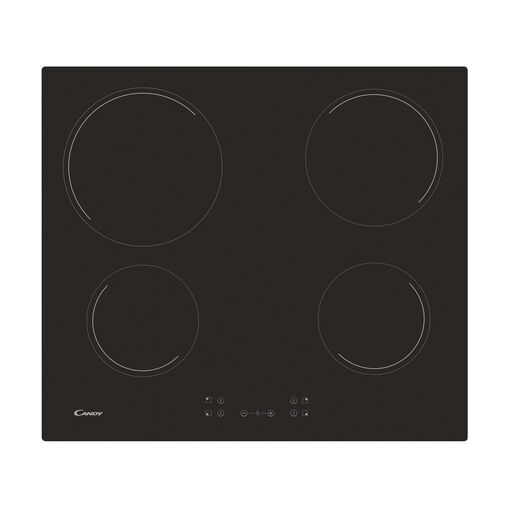 No image available
Consider this ceramic option if keeping non-magnetic soup pans matters more than choosing induction. Its title identifies a 59 cm ceramic hob.
Check its low-heat controls, timer behaviour, worktop cut-out and electrical requirements before buying. Allow the ceramic surface to cool before cleaning it.
It needs a suitable magnetic base: test the base with a magnet, then check that the pan’s shape and diameter meet the chosen hob’s instructions. Electrolux identifies a magnetic base as essential for induction cookware.
Induction is the more responsive choice when your pan is compatible, because it heats the pan directly, as Which? explains. A ceramic hob can also suit soup cooking if its low settings meet your needs, but its surface retains heat after use.
No; the required connection depends on the model. Bosch describes its PUG61RAA5B as Plug & Play, whereas AEG specifies its TO84IB00FB as hardwired only, so check the installation instructions and seek an installer’s assessment where needed.
Measure the worktop cut-out as well as the available space and clearances, then compare them with the exact model’s installation sheet. General measurement guidance distinguishes the cut-out from the hob’s overall dimensions.
No. A lock helps limit accidental control changes but does not remove the risks from hot soup, cookware or surfaces; Electrical Safety First advises against leaving electrical appliances on and unattended.