Frequent whole-spice batch cooks
If you regularly dry-toast whole spices, being able to adjust the heat and move the pan off the zone matters when you want to avoid scorching them.


Choose induction if you want heat generated directly in a compatible pan and can check that your spice pan suits the zone you intend to use. Choose radiant ceramic if keeping non-magnetic cookware matters more; its glass surface heats through elements beneath it, so pay particular attention to residual heat and heat control. For either type, check the usable zones and installation requirements before ordering for batch cooking.
If you regularly dry-toast whole spices, being able to adjust the heat and move the pan off the zone matters when you want to avoid scorching them.
If you use a large frying pan or several pans alongside a spice pan, compare usable zone sizes and whether a bridge or flex area fits your cookware.
If you want to keep your current pans, check their bases before choosing induction. Electrolux says induction requires cookware with a magnetic base.
Start with the pan you use for spices: induction needs a suitable magnetic base, whereas radiant ceramic does not have that magnetic-base requirement. Then compare heat controls, usable space for the rest of the batch and the exact model's installation instructions.
| Concern | What to check | Who this matters to |
|---|---|---|
| Controllable heat for spices | Check the model's power controls and whether the intended zone accepts your spice pan. Treat boost as a rapid-heating feature, not proof of gentle heat control. | When I dry-toast whole spices, I want to turn the heat down promptly rather than scorch a panful. Around 40% of consumers put heat control first. |
| Usable space for batch cooking | Compare zone sizes with your pans; check whether a bridge or flex area fits larger cookware and whether the hob fits the worktop. | If I have several dishes on the go, I need space for the pans I use, not just a high zone count. For around 30% of consumers, usable cooking space is the primary concern. |
| Cookware and installation fit | Test the pan base with a magnet before choosing induction, then check zone-specific pan guidance, cut-out dimensions and electrical connection requirements. | I would rather keep my existing spice pan and avoid ordering a hob that cannot fit my kitchen. Cookware or installation fit comes first for around 30% of consumers. |
Induction requires a magnetic pan base. The pan also needs to fall within the intended zone's cookware guidance, particularly if it is small.
Test the exact spice pan with a magnet and check the hob manual's zone-specific pan-size guidance.
If the current pan is unsuitable, using induction for spices may mean changing cookware.
The advertised hob width does not establish whether it fits the existing opening or electrical provision. AEG specifies a 560 x 490 mm cut-out and a 7,200 W hardwired connection for its SO64IB00FB model.
Compare the exact installation sheet with the worktop opening, clearances and electrical provision before ordering. Electrical Safety First recommends using a registered electrician for installation work.
A mismatch can involve worktop alterations or electrical installation work.
Rapid heating and gentle heat control are different considerations. Which? assesses quick heating separately from low-temperature performance in its hob testing.
Compare the controls and suitability of the small-pan zone, and look for model-specific low-heat evidence where available.
These are model-specific features: AEG identifies a bridge function on the SO64IB00FB, while NEFF lists flex induction and an Extended Frying Sensor on the T68FHV4L0.
Check the full model number and its product documentation, including how the feature works with your cookware.
AEG has four-zone induction models to compare when deciding whether larger cookware calls for a bridge area.
Bosch is relevant when comparing induction with radiant ceramic while considering whether to retain existing cookware.
NEFF has induction models to examine if flex-zone layout or cookware temperature monitoring matters to your batch-cooking routine.
These induction models offer four-zone layouts, with bridge or flex options among them for cooks considering larger cookware. If keeping a non-magnetic spice pan is your deciding need, compare radiant ceramic hobs instead. For any induction model, confirm that your pan suits its intended zone and that installation is feasible.
 No image available
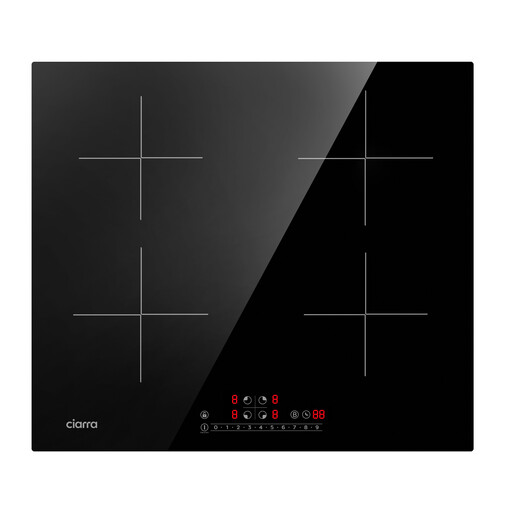
Consider its flexible bridge if a larger batch-cooking pan would use the combined area. The listed hob has four cooking zones, touch controls and boost mode; check the manual for your spice pan's zone-size requirements and the installation details.
 No image available
This model is worth comparing if you want separate induction zones for batch preparation. Its listed features include touch controls, nine power levels and a booster; confirm your spice pan's fit and the installation requirements for the exact model.
 No image available
Its four-zone layout is relevant if you prepare several pans during a batch session. Check the manual for the zone that would hold your smaller spice pan, as well as the cut-out and electrical requirements.
 No image available
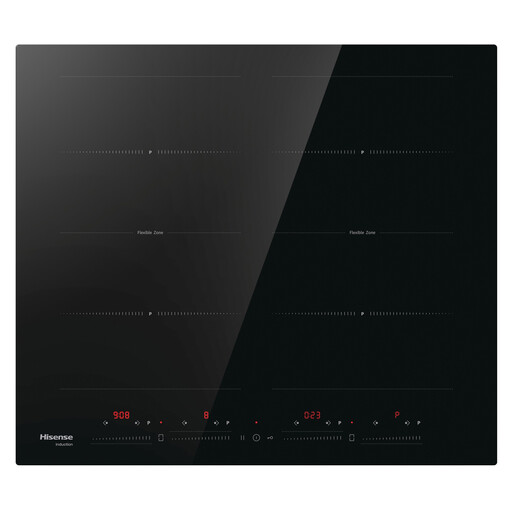
Consider the Area Flex layout if you use larger cookware as well as a separate spice pan. Check which pan sizes the relevant zones accept and compare the model's installation instructions with your kitchen.
 No image available
Its four-zone layout is an option for multi-pan batch cooking. The product name specifies a hardwired connection; confirm the kitchen's electrical provision, worktop cut-out and the intended zone's guidance for your spice pan.
It will need a magnetic base, but that is not the only check. Electrolux advises testing the base with a magnet; also compare its shape and diameter with the chosen hob's zone-specific cookware guidance.
Radiant ceramic is the more practical route if keeping those pans is your overriding need, because it does not depend on a magnetic base as induction does. Which? explains that its elements heat the glass surface, so take residual heat into account when moving a spice pan off the zone.
No: prioritise usable heat controls and a zone that suits your spice pan rather than treating rapid heating as proof of low-heat performance. Which? assesses quick heating and gentle simmering separately in its hob tests.
Electrical Safety First strongly recommends a registered electrician for installation work. Check the exact hob instructions and the requirements where your property is located; GOV.UK's Approved Document P addresses electrical safety in dwellings in England, not a single installation rule for every UK nation.