Family cooks making sauce alongside other dishes
If you stir a cheese sauce while pasta or vegetables cook, look at how readily you can adjust the sauce setting and whether the zone layout fits your other pans.


For a cheese sauce alongside other family-meal pans, a four-zone induction hob is a sensible starting point if your saucepans work with induction: it heats the pan directly and gives you separate zones for other dishes. Consider a stated 13 A plug-in model only if its installation instructions suit your kitchen; a ceramic hob lets you keep non-induction cookware, while flexible zones matter most if your usual pans need the extra placement options.
If you stir a cheese sauce while pasta or vegetables cook, look at how readily you can adjust the sauce setting and whether the zone layout fits your other pans.
If you want to limit changes to your kitchen, check the cut-out and electrical connection for the exact model. A hob expressly designed for a 13 A socket is a different installation choice from a hardwired one.
If replacing pans would be inconvenient, establish whether they work with induction before choosing between an induction and a ceramic hob.
Start with controllable heat for the sauce and enough space for your other pans. Then check cookware and installation compatibility before deciding whether plug-in power or flexible zones would help.
| Concern | What to check | Who this matters to |
|---|---|---|
| Sauce control | Compare the selectable heat settings and whether you can operate the controls comfortably while stirring. | If I am stirring cheese sauce, I need to adjust the heat without losing track of the pan. Around 40% of consumers put sauce control first. |
| Space for other pans | Check the number and placement of zones; consider bridge or flex zones if your usual cookware needs them. | When the sauce is one part of dinner, I need room to cook the other components at the same time. Multi-pan cooking comes first for around 30% of consumers. |
| Cookware and installation | Confirm induction-pan compatibility and the exact model's connection and cut-out requirements. | I want to keep my pans or avoid an unsuitable electrical change when replacing the hob. Around 20% of consumers make that compatibility their primary concern. |
| Cleaning and safety features | Read the cleaning instructions and confirm any child lock or residual-heat indicator in the exact model's manual. | With sauce spills and family activity around the kitchen, I care most about clean-up and the features I can actually rely on. Those needs take priority for around 10% of consumers. |
Induction heats a compatible pan directly; a ceramic hob heats elements beneath its glass. Choosing by appearance alone can leave you with a hob that does not suit your pans.
Check your saucepans for induction compatibility before ordering, or compare ceramic models if keeping non-induction pans is important.
Changing to induction may also mean replacing incompatible cookware.
The worktop opening and electrical connection depend on the model. AEG specifies a 750 × 490 mm built-in cut-out and hardwired connection for its TO84IB00FB, while Beko states that its HIIP64530UFT plugs into a standard 13 A socket.
Measure the existing opening and check the installation instructions. Ask a qualified electrician about the supply if you are unsure whether it suits the hob.
An unsuitable opening or connection may mean worktop changes or electrical work before the hob can be fitted.
Beko's HII164401QT product information mentions a child safety lock in feature text, but its detailed specification says “Child lock No”. That difference matters if you are choosing the hob partly for that feature.
Confirm the current specification and manual for the exact model before relying on a child lock or other safety feature.
Which? notes that some cooks find touch controls fiddly when wet, a practical consideration when moving between a stirred sauce and other pans.
Look at the exact control layout and, where possible, decide whether it suits the way you cook.
Bosch has relevant induction and radiant electric models for comparing heating methods and installation options.
Beko has model-specific options for cooks comparing heat settings with a stated plug-in induction connection.
AEG's TO84IB00FB is relevant if larger pans make a bridge-zone layout useful.
NEFF's T56TT60N0 is relevant to cooks considering flexible pan placement and a removable magnetic control dial.
These induction hobs relate to cooking a sauce alongside other family-meal pans. Check your cookware first, then compare each model's installation requirements; the selection includes a model named for its Area Flex feature.
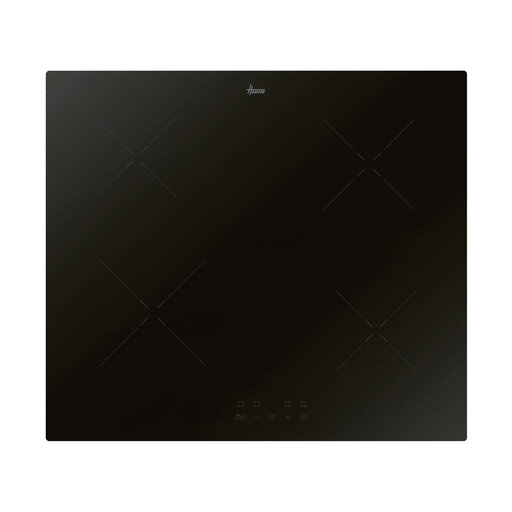 No image available
The four-zone layout is relevant if you make sauce while using other pans. Check that your cookware works with induction and confirm the worktop opening and electrical installation requirements.
 No image available
Consider this model if induction suits your saucepans and you are planning a hardwired installation. Confirm the required cut-out and electrical supply before ordering.
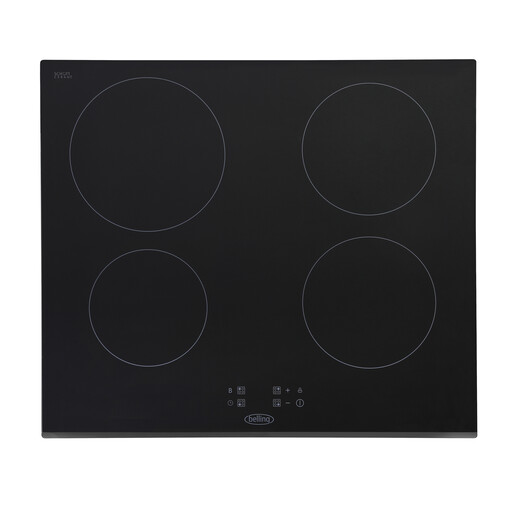 No image available
This is a 60 cm induction option for cooks with compatible pans. Check the model's connection instructions and required worktop opening before arranging installation.
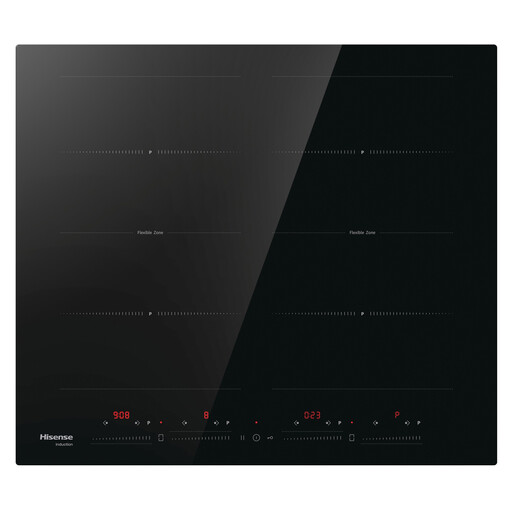 No image available
If pan placement is important alongside the sauce, compare this model's Area Flex layout with the sizes of pans you use. Confirm induction compatibility, the worktop opening and the electrical connection it requires.
They will need to be induction-compatible. Check your existing pans before choosing induction; if keeping non-induction cookware is the priority, compare a ceramic hob instead.
No: Beko states that its HIIP64530UFT plugs into a standard 13 A socket, whereas AEG specifies a hardwired-only connection for its TO84IB00FB. Follow the exact model's installation instructions and seek qualified electrical advice if you are unsure about your kitchen supply.
Do not make boost the deciding feature for a stirred sauce. Focus on heat settings and controls you can adjust while cooking; boost may be more relevant to heating another pan for the meal.
Induction and ceramic hobs both offer flat glass surfaces, but follow the cleaning instructions for the model you choose. Let the appliance cool as directed and take care not to scratch the surface.