What matters when choosing?
Decide whether your soup pot can work on induction, then compare how the two hob types meet your heating, fitting and serving needs.
Induction
Consider it when: You want direct pan heating and a model with controls suited to bringing soup to the boil before turning it down.
Trade-off: The pot needs a ferromagnetic base, and the connection requirements depend on the model.
Radiant ceramic
Consider it when: Keeping a soup pot that is unsuitable for induction is central to your choice.
Trade-off: The cooking zone heats the glass, which can remain hot after you switch it off.
| Concern |
What to check |
Who this matters to |
| Boiling and simmering |
Check the intended zone against the pot's base, then compare the model's heat controls and any specified booster. |
If I start with a large pot and need to turn it down for a gentle simmer, control over those two stages comes first. Around 50% of consumers put boiling and simmering first. |
| Cookware and kitchen fit |
Check whether the pot's base is suitable for induction, and compare the installation drawing and connection instructions with your kitchen. |
I want to keep my soup pot and avoid choosing a hob that will not fit the worktop or supply. For around 30% of consumers, compatibility is the primary concern. |
| Serving and clean-up |
Compare child controls, residual-heat warnings and any specified overflow or shut-off response. |
With children nearby and a hot pot to serve, I need to know when the surface is still hot and how the hob responds to spills. This is the main concern for around 20% of consumers. |
Induction hobs for this meal
These Joybuy induction hobs are options to compare if you have an induction-compatible soup pot. Check the pot's magnetic base against the intended zone and confirm fitting and electrical requirements for the model you choose.
 No image available
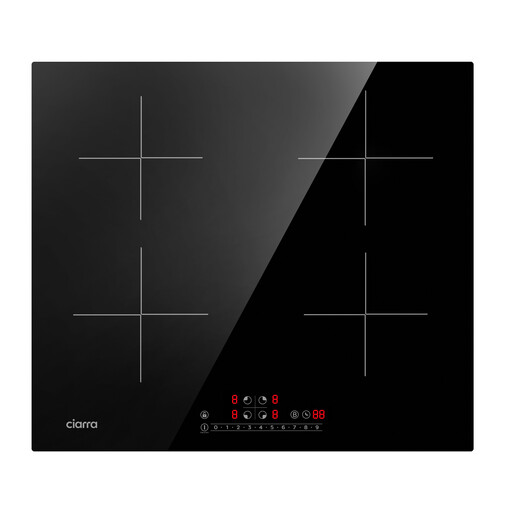
Ciarra 4-Zone Built-in Induction Hob
For soup alongside other pans, this four-zone model offers touch controls, nine power levels and a booster function. Check which zone fits the pot's magnetic base and confirm the installation instructions before ordering.
View on Joybuy
 No image available
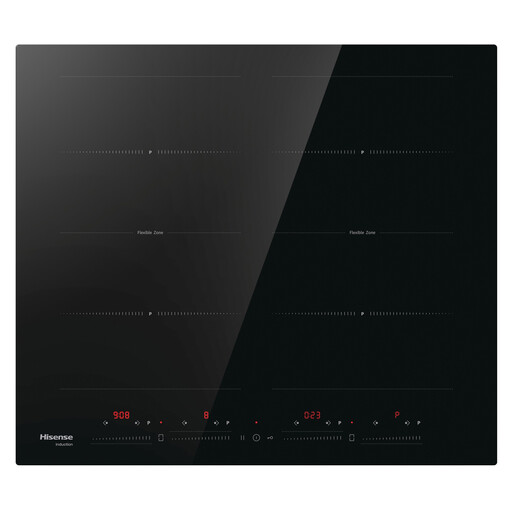
Hisense HI6442BSCE 60 cm Induction Hob with Area Flex
If you use a larger soup pot, check how this model's Area Flex layout fits its magnetic base. Compare the exact cooking-zone, worktop-opening and electrical requirements with your kitchen.
View on Joybuy
 No image available
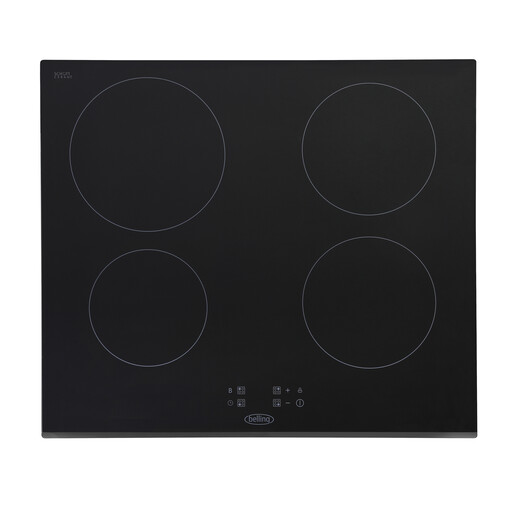
Belling ComfortCook IHT603 60 cm Induction Hob
For a family soup pot, confirm that its magnetic base fits the zone you plan to use. Compare this built-in model's installation instructions with the worktop opening and electrical supply.
View on Joybuy
 No image available
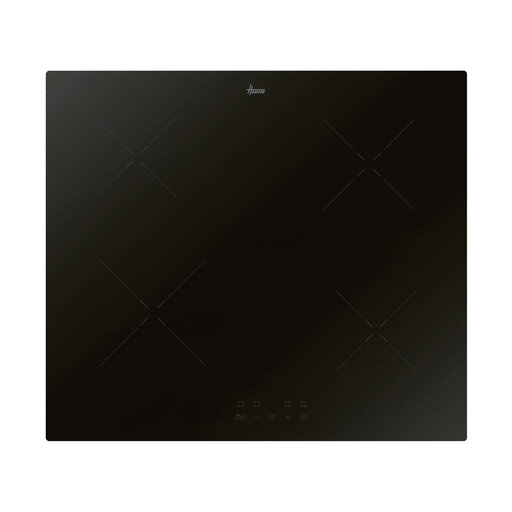
Hoover HI642BCB 60 cm 4-Zone Induction Hob
Four zones may be useful when soup and side dishes need separate pans. Check that the soup pot's magnetic base suits its intended zone, then confirm the model's fitting and connection instructions.
View on Joybuy
 No image available
Bosch PIE631BB5E Series 4 60 cm Induction Hob
For a soup pot, check that its magnetic base fits the chosen zone. This variant is described as hardwired; confirm its worktop opening and arrange the appropriate installation for your kitchen.
View on Joybuy
Frequently asked questions
Is induction or ceramic more suitable for a family pot of potato soup?
Induction is worth considering when you want direct pan heating and your soup pot has a suitable magnetic base; ceramic is a practical route when keeping non-induction cookware is the priority. Compare the exact model's zone with the pot, and remember that a ceramic cooking zone can remain hot after switch-off.
Will my existing soup pot work on an induction hob?
It will work only if its base is induction-compatible. Bosch UK identifies ferromagnetic cookware as the requirement, so check the base rather than the pot's appearance or rim width, then compare the magnetic area with the intended cooking zone.
What should I measure before replacing a built-in hob?
Measure the worktop opening and available clearance, then compare them with the new hob's installation drawing and external dimensions. AEG UK, for example, specifies a 560 × 490 mm built-in opening for the TN64IA04FB; a shared 60 cm description does not make that opening suitable for another model.
Do electrical installation requirements differ between hobs?
Yes: the connection specified for one hob should not be assumed for another. Check the exact installation instructions and your kitchen supply before arranging work. In England, GOV.UK's Approved Document P covers electrical safety in dwellings; the Scottish Government publishes separate domestic building standards guidance. Confirm the requirements applicable to your location and proposed work.
Which features matter while serving soup around children?
Check the exact hob for a child lock and, where specified, automatic shut-off or an overflow response. A residual-heat indicator is particularly useful on ceramic models because the glass can remain hot after cooking; none of these features replaces keeping children clear of the hot hob, pan and soup.


