
24/7 Customer Support

Free returns

Same-day & Next-day Delivery

Quality Guaranteed

Unlock Your Welcome Offers: FREE Delivery | Up to 80% OFF | Free 30-day JoyPlus trial
Download the APP
As a Joybuy Product Recommendation Officer, I see many UK households embracing the speed and efficiency of induction hobs. However, this fantastic technology comes with a common frustration: finding the right cookware. Many shoppers find their new pans buzz loudly, heat unevenly or have non-stick surfaces that fail within months.
The market is filled with confusing labels and over-hyped features. To help you make a confident purchase, we're highlighting three common pitfalls to avoid and explaining the key features that truly matter for performance and longevity.
Seeing the induction coil symbol on a pan's packaging feels like a guarantee, but it is not a promise of quality. This symbol only indicates the presence of a ferromagnetic material in the base, which is the minimum requirement to work. It says nothing about the quality or thickness of that material. A pan with a thin, low-quality magnetic layer will heat unevenly, create frustrating hot spots that burn food and may produce a loud buzzing or humming sound as the hob struggles to maintain a connection.
Many people rightly seek out healthy cookware PFOA-free options. This has led to a surge in pans with various non-stick coatings, often marketed with impressive-sounding names. The problem is that many of these coatings, especially on lower-priced pans, are not durable enough to handle the rapid, high heat of induction cooking. They can scratch easily and lose their non-stick properties quickly, forcing you to replace them far sooner than expected.
There is no single perfect material for every cooking task. A lightweight non-stick wok with lid is ideal for quick stir-fries, but it will not produce the same sear on a steak as a robust stainless steel frying pan. Believing one pan can do everything perfectly often leads to disappointment. Understanding which material excels at which task allows you to build a versatile and effective collection of pots and pans for all hobs.
Before adding any pan to your basket, focus on these three non-negotiable factors.
The performance of induction cookware is determined almost entirely by its base. For superior performance, look for a multi-layer composite base. This typically involves a core of a highly conductive material like aluminium sandwiched between layers of durable, magnetic stainless steel. This construction distributes heat rapidly and evenly across the entire base, eliminating the hot spots that cause food to catch and burn. A thick, flat base also ensures maximum contact with the hob for efficient energy transfer and a quieter cooking experience.
Beyond the base, the main material of the pan dictates its use and durability.
Small details can make a big difference in daily use. Check for handles that are ergonomically designed and remain cool to the touch during stovetop use. A well-fitting glass lid allows you to monitor cooking without losing heat and moisture. Finally, a rolled or curved rim on a saucepan or stock pot enables drip-free pouring, a simple feature that prevents mess.
We have filtered through the options to match specific products to different needs, helping you bypass the common purchasing traps.
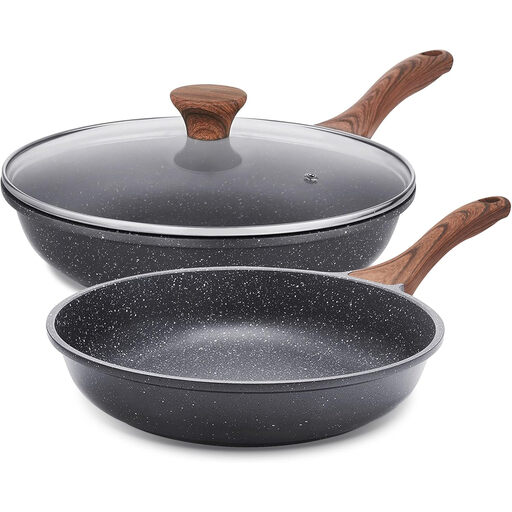
Why This Fits Their Persona: This two-pan set offers great versatility for daily meals, from a morning omelette to an evening stir-fry. The non-stick surface is designed for low-oil cooking, aligning with the needs of a modern UK household focused on practical, healthier meals.
It directly addresses the fragile coating pitfall. According to the brand, its Swiss-made coating is free from intentionally added PFOA and designed for durability, while the cast aluminium body and magnetic base provide solid, even heating, avoiding the "compatible sticker" issue.
The high magnetic conductive stainless steel base ensures it works efficiently on all hobs, including induction. The set includes two practical sizes (8-inch and 11-inch) with a shared lid.
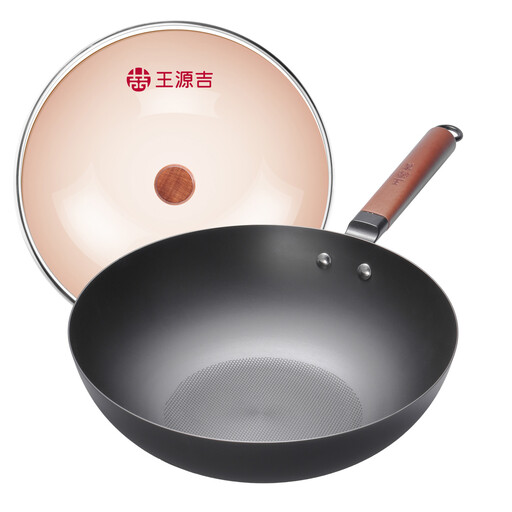
Why This Fits Their Persona: This is for the home cook who loves authentic, high-heat cooking and understands that the right tool makes all the difference. It is perfect for achieving "wok hei" in stir-fries and is a durable piece of equipment for someone passionate about cooking.
It sidesteps the "one-material-fits-all" myth by being a specialised tool. It is 100% coating-free, avoiding the fragile non-stick issue entirely. Instead, it relies on proper seasoning to build a natural, long-lasting non-stick patina that can handle high temperatures.
Made from refined high-purity iron, it is lightweight for a carbon steel wok, reducing wrist strain. The flat bottom is designed for stability and compatibility on all stovetops, including induction.

Why This Fits Their Persona: This saucepan is ideal for preparing family meals, from warming milk and making porridge to steaming vegetables for baby food. The focus on high-grade, non-reactive materials provides peace of mind when cooking for loved ones.
It avoids the non-stick trap by using high-quality, uncoated 316 stainless steel, which offers superior corrosion resistance compared to the more common 304 grade. The tri-ply bottom ensures it performs well on induction, avoiding the poor heating trap.
The included steamer insert adds versatility for healthy cooking. The silicone-wrapped handle is designed to stay cool, providing a safer grip when the pot is hot.
Once you have chosen your ideal cookware, protecting your induction hob surface is the next step to ensure its longevity.
We have compiled a complete, real-time list of products that fully satisfy these strict selection criteria and UK safety regulations.
A slight buzzing or humming is normal with induction cooking. It is often caused by the vibration of the multiple layers in the pan's base as the magnetic field rapidly cycles. The noise can be more noticeable at higher power settings or if the pan is lightweight. A loud, aggressive buzzing, however, could indicate a poor-quality pan or one that is not sitting flat on the hob.
You can, but only if they are made of a ferromagnetic material. The easiest way to check is with a simple fridge magnet. If the magnet sticks firmly to the bottom of your pot or pan, it will work on an induction hob. If it does not stick, or the pull is very weak, it will not work. Materials like stainless steel and cast iron are generally compatible, while aluminium, copper and glass are not unless they have a specific magnetic base layer added.
With proper care, a quality non-stick pan designed for induction hobs should last between two and five years. To maximise its lifespan, avoid using metal utensils, do not use aerosol cooking sprays (which can build up and damage the surface), wash by hand with a soft sponge and avoid subjecting the pan to extreme temperature changes, such as putting a hot pan into cold water.