What matters when choosing?
Start with the pot you actually use, then check whether the hob fits your kitchen; compare boost and flexible-zone features against those two requirements.
| Concern |
What to check when buying |
Who this matters to |
| Boiling between batches |
Check whether the zone suited to your pot has a boost setting, and compare its stated zone size and output. |
When I blanch several batches, waiting for the water to boil again interrupts the job. Around 42% of consumers would put boiling between batches first. |
| Installation and replacement fit |
Compare the worktop cut-out and connection requirements with your kitchen; check the exact model instructions rather than relying on its width alone. |
If I am replacing a hob, I need one that fits the opening and can be connected appropriately without unexpected alterations. Roughly 33% of consumers would make installation fit their primary concern. |
| Room for a wider pot |
Measure your pot’s flat magnetic base against the zone dimensions and check whether the model offers a bridge or flexible zone. |
A wide stockpot needs a cooking area that suits its base, particularly when I prepare larger batches. Around 25% of consumers would prioritise large-pan flexibility. |
Induction products on Joybuy
These products cover built-in four-zone hobs, a wider bridge-zone hob and a portable single-zone cooker. Choose between them by checking your blanching pot, available space and connection requirements; the portable cooker serves a different setup from a built-in replacement.
 No image available
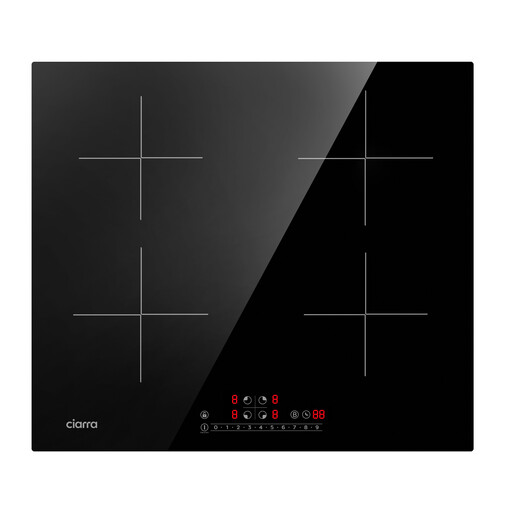
Ciarra four-zone built-in induction hob
Consider this built-in hob if you blanch on a standard cooking zone and want a booster setting. Its product name specifies touch controls, nine power levels and a booster function; check your pot’s fit and the hob’s installation requirements.
View on Joybuy
 No image available
Belling IHL773 BLK 77 cm induction hob
The flexible bridge makes this a model to consider for a wider blanching pot. Its product name specifies four zones and Boost mode; measure the pot base and check the worktop opening and electrical requirements before choosing it.
View on Joybuy
 No image available
Bosch PIE631BB5E Series 4 60 cm induction hob
This built-in model suits consideration when you want a 60 cm hob and can accommodate a hardwired connection. Check the worktop cut-out, the zone that will hold your blanching pot and its timing controls before ordering.
View on Joybuy
 No image available
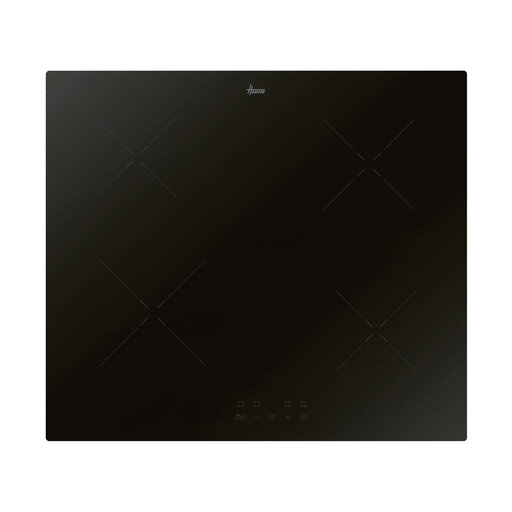
Hoover HI642BCB 60 cm four-zone induction hob
This built-in four-zone format is worth comparing if your blanching pot fits a conventional zone. Check the zone dimensions and timer operation, as well as the worktop fit and electrical connection needed for installation.
View on Joybuy
 No image available
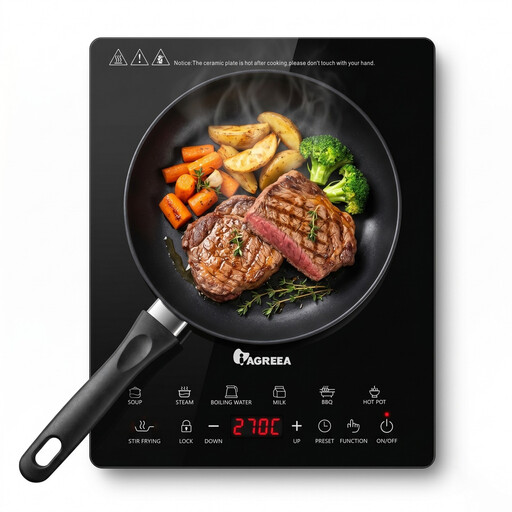
IAGREEA DF200-14V10 portable induction cooker
Consider this portable cooker for an additional or temporary blanching station rather than a built-in hob replacement. Its product name specifies 2000 W, eight power levels, a 60–270 °C temperature range, seven presets, a three-hour timer and suitable cookware bases of 12–26 cm; check the supplied plug arrangement and your pot’s fit.
View on Joybuy
Frequently asked questions
Will my existing blanching pot work on an induction hob?
It will work if its base is induction-compatible and fits a suitable cooking zone. Which? advises checking for a ferromagnetic base; also compare the flat base of your pot with the hob’s zone dimensions.
Is PowerBoost essential for blanching green vegetables?
No. You can blanch vegetables once a suitable pan of water is boiling; PowerBoost is more relevant if bringing water to the boil repeatedly is important to you. Check how the feature works on the exact zone you would use rather than assuming a particular boil time.
How do I avoid overcooking vegetables while blanching?
Keep the cooking interval short and move the vegetables from boiling water into ice water promptly. The time depends on the vegetable and its size, so use a hob timer as a prompt rather than applying one duration to every batch.
Do I need an electrician to fit an induction hob?
It depends on the model, your existing setup and the work required. Have a competent electrician assess a hardwired connection or electrical alterations; even with a Plug&Play model, follow its instructions and check that the socket and worktop are suitable. Electrical Safety First’s Part P guidance concerns England and Wales, so check the requirements that apply where you live.
Will a bridge zone make blanching faster?
Not necessarily. A bridge zone combines cooking areas to accommodate larger cookware; it is not automatically a speed advantage when your saucepan already fits one suitable zone. Choose it for the size and shape of the pot you use, not for an assumed reduction in boiling time.


