Hosts using several pans
If a blanching pot shares the hob with sauces, potatoes or other sides, count the pans you need heated at the same time and consider whether their bases will fit without crowding neighbouring zones.


For blanching vegetables while other dinner-party dishes cook, start with a hob that has enough independently controlled zones for your pans, then look for a boost function if bringing water back to the boil between batches matters to you. A four-zone 60 cm layout may suit modest pans; consider linked zones for unusually large cookware or a wider five-zone layout when several pans need space at once. Check pan compatibility, the worktop opening and the exact model’s electrical connection before choosing.
If a blanching pot shares the hob with sauces, potatoes or other sides, count the pans you need heated at the same time and consider whether their bases will fit without crowding neighbouring zones.
If you add vegetables in successive batches, check whether the exact hob offers a boost function on the zone you plan to use. Also check that your blanching pan works with induction.
An existing worktop opening and electrical supply can narrow the choice. Compare the installation instructions for the exact model rather than assuming hobs of similar overall width fit or connect in the same way.
Choose the layout for the pans you use together: linked zones accommodate a large vessel, whereas more separate pan positions address a different need. Confirm fit and connection before settling on either layout.
Consider it when: A blanching pot and two or three modest pans fit the available zones.
Trade-off: Large pans may crowd adjacent zones, and connection types vary between models.
Consider it when: An unusually large or elongated vessel needs a linked cooking area.
Trade-off: Linking zones does not create more worktop width or an extra independent pan position.
Consider it when: Several saucepans and the blanching pot regularly need separate positions at once.
Trade-off: A wider model needs a suitable worktop opening; check its installation requirements before changing layouts.
| Concern | What to check | Who this matters to |
|---|---|---|
| Water heating between batches | Check which zones have a boost function and whether your blanching pan is induction-compatible. | If I blanch vegetables in batches, I want the water back at a rolling boil without holding up the next batch. Around 42% of consumers would put water heating first. |
| Pan positions | Count the pans used together and compare their bases with the zone layout; consider linked zones separately if one vessel is unusually large. | When the blanching pot competes with pans for other dishes, I need each heated pan to have a usable position. Around 33% of consumers would prioritise simultaneous pan capacity. |
| Worktop and electrical fit | Compare the installation sheet’s cut-out dimensions and connection requirements with the existing kitchen. | If I am replacing a built-in hob, I need the new one to fit the opening and suit the electrical setup. Around 25% of consumers would make installation compatibility their primary concern. |
Hobs described by the same nominal width can have different built-in requirements. A suitable-looking hob may not fit the existing opening.
Measure the cut-out and available clearance, then compare both with the exact model’s installation sheet before ordering.
A mismatch may mean altering the worktop or arranging additional installation work.
Bosch identifies some cited models as Plug & Play, while AEG identifies its cited bridge models as hardwired only. Overall hob width does not establish how a particular model connects.
Check the model’s connection instructions and electrical requirements against the kitchen supply, and seek suitable installation advice if changes may be needed.
A bridge or flex function links cooking areas for larger cookware; it does not automatically provide another independently heated pan position.
List the pans used at peak service. If several separate pans are the problem, compare zone count and spacing; if one oversized vessel is the problem, compare linked-zone layouts.
Which? notes that not all pans are suitable for induction, so an existing stockpot should not be assumed compatible.
Check the cookware maker’s induction marking or instructions for the stockpot and saucepans you intend to keep using.
Replacing incompatible cookware adds another task before you can use the new hob for those dishes.
Compare features at model level: zone layouts and electrical connections can differ within a brand’s range.
Bosch offers cited 60 cm four-zone models with PowerBoost, including Plug & Play examples.
The cited AEG models illustrate a choice between a 60 cm bridge layout and a wider layout with five individual zone controls.
The cited T56TT60N0 offers flexible cooking areas for buyers comparing arrangements for larger pans.
Beko’s cited 80 cm HII85700UFT is relevant if linked cooking areas are part of the layout you need.
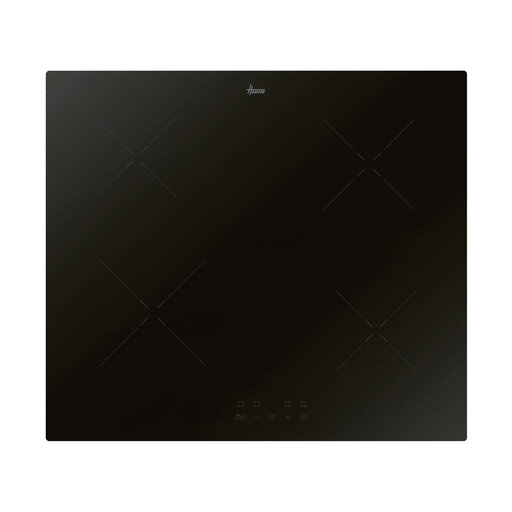
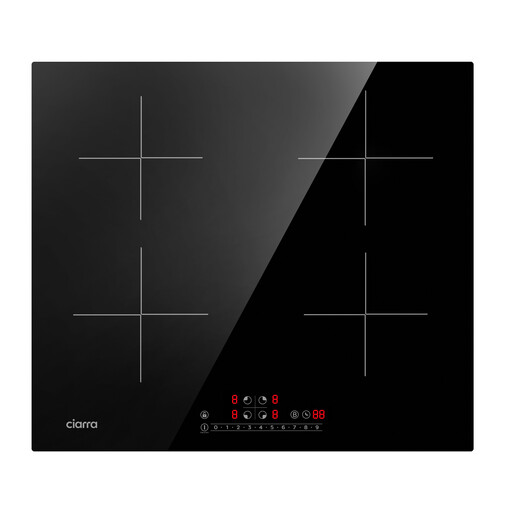
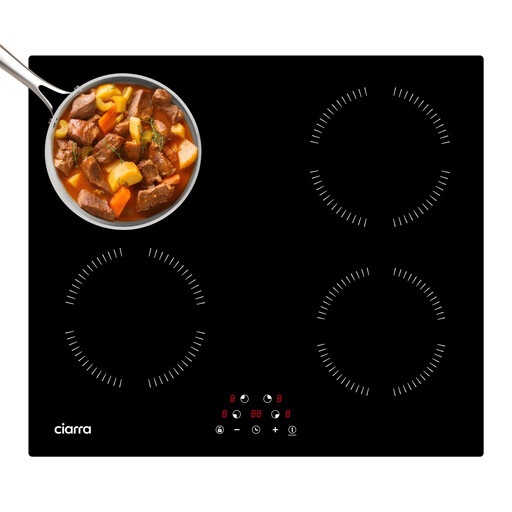
These induction hobs offer four-zone layouts for blanching alongside other dishes. The wider Belling model also lists a flexible bridge for larger cookware; compare pan spacing and installation requirements for each model.
 No image available
Consider this four-zone model when the blanching pot needs to share the hob with other dinner-party pans.
The product name specifies a 60 cm hob. Check the installation instructions against your worktop and electrical supply, and confirm that your pans are induction-compatible.
 No image available
Consider the flexible bridge if you use a larger vessel; check the separate pan positions if several dishes need heating together.
The product name specifies four cooking zones, touch controls and boost mode. Its 77 cm width makes the existing worktop opening a particularly important check; confirm the electrical connection in the installation instructions.
 No image available
The four-zone layout and named booster function are relevant if you blanch vegetables while heating other pans.
The product name also specifies touch controls and nine power levels. Check the zone sizes against your pans, and confirm the cut-out and electrical connection before ordering.
 No image available
This four-zone layout is worth considering when several modest pans need space around the blanching pot.
The product name specifies a hardwired model. Check the electrical supply and the exact installation sheet’s cut-out dimensions; do not assume the connection details of another Bosch model apply.
 No image available
Consider this four-zone model if separate positions for the blanching pot and side dishes are your main priority.
If rapid heating between batches matters, check whether the exact model has a boost function. Confirm its electrical connection and worktop fit before ordering.
Check the pan’s induction-compatibility marking or the maker’s instructions before relying on it. Which? notes that many pans work with induction, but not all do.
Not necessarily: a standard zone may accommodate your blanching pot, while a boost function is the more relevant feature to check if heating water quickly is the priority. Consider a bridge or flex zone when a wide or elongated vessel needs a linked cooking area; it does not add a separate pan position.
Look for enough separate zones and controls for the pans you use together. AEG lists individual-zone controls on its cited five-zone SK85IM0XFB; check the controls and pan spacing of any model you are considering.
Do not assume so: Bosch identifies cited Plug & Play models, whereas AEG identifies its cited bridge models as hardwired only. Check the exact hob’s installation instructions and the property’s electrical supply. For work in England, GOV.UK’s Approved Document P covers electrical safety in dwellings and explains when notification is required; requirements for a particular job depend on its location and scope.
Stop using equipment that shows warning signs and seek appropriate help. Electrical Safety First identifies burn marks, arcing sounds, tripping circuit-breakers and unusual heat as signs not to ignore.