
24/7 Customer Support

Free returns

Same-day & Next-day Delivery

Quality Guaranteed

Unlock Your Welcome Offers: FREE Delivery | Up to 80% OFF | Free 30-day JoyPlus trial
Download the APP
An induction hob is a centrepiece of the modern kitchen, promising faster cooking, improved energy efficiency and a safer, easier-to-clean surface. However, navigating the market can be tricky. Marketing claims often obscure practical limitations, leading to purchases that frustrate rather than delight.
As a Joybuy Product Recommendation Officer, my role is to help you see past the hype. Here, we’ll break down the essential considerations for choosing the right induction hob and highlight a few common traps that UK buyers fall into.
plug and play induction hob is marketed for its simple installation, connecting directly to a standard wall socket. While convenient, these 13 amp induction hob models have a total power limit of around 3kW. When you use multiple cooking zones simultaneously, an aggressive power management system kicks in, drastically reducing heat to each zone. This can turn a rapid boil into a slow simmer, making multitasking a real challenge.flexible zone hob feature. Often, this is just two small, circular zones placed close together. This layout may not be large or uniform enough to properly heat a rectangular griddle or a large fish kettle, creating cool spots and uneven cooking. A true flexible zone should offer a continuous, evenly heated surface.4 zone induction hob offers fantastic performance, but it cannot be plugged into a standard socket. It requires a dedicated, high-power circuit (typically 32A) installed by a qualified electrician. Overlooking this detail can lead to purchasing a hob that you cannot install without unexpected and costly electrical work.To make a confident choice, focus on these non-negotiable technical details. They determine the hob's real-world performance and suitability for your kitchen.
This is the most critical decision. Your home's wiring will dictate your options.
built in induction hob of this type must be professionally installed by a qualified electrician to comply with UK wiring regulations.The standard 60cm induction hob is the most popular choice, but it's essential to check the layout.
flexible zone hob function creates a single, large rectangular cooking area. This is invaluable for griddles, large casserole dishes or several small pans. Check the dimensions of the bridged area to ensure it meets your needs.The sleek black glass hob surface is standard, but the controls beneath it vary significantly.
We've filtered through the options to match specific models to common UK household needs, helping you avoid the pitfalls and find a hob that genuinely works for you.
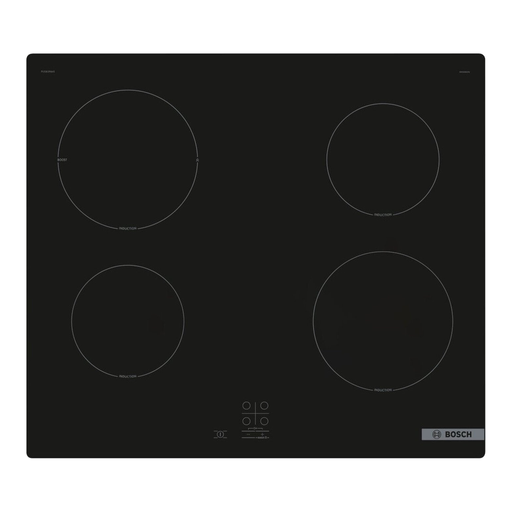
Why This Fits Their Persona: This model is designed for maximum convenience. As a 13 amp induction hob, it plugs directly into a standard socket, eliminating the need for an electrician and making it perfect for renters or those undertaking a simple kitchen upgrade without major rewiring.
It directly addresses the installation pitfall. By being an explicit plug and play model, it sets clear expectations. Its intelligent Power Management system is designed to operate safely within the 13A limit, avoiding the risk of tripping circuits.
Features a PowerBoost function for rapid heating and QuickStart for automatic pan recognition, bringing premium features to an easy-to-install format.
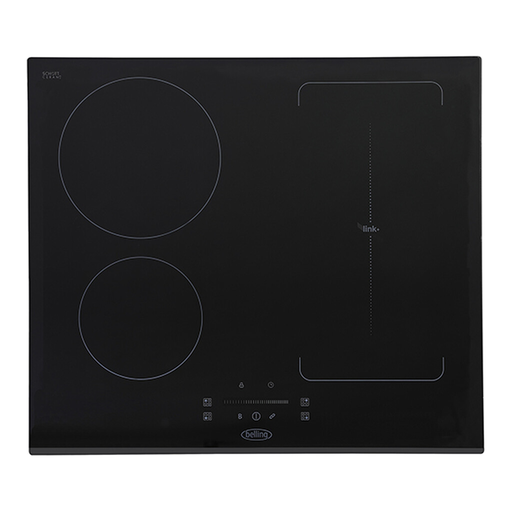
Why This Fits Their Persona: This hardwired Belling induction hob is built for performance and versatility. It's ideal for families who need to cook multiple dishes at once and use a variety of pan sizes, from small saucepans to large griddles for weekend breakfasts.
It solves the "inflexible zone" problem with its Link+ feature, which properly combines two zones into one large area. As a 7.4kW hardwired hob, it also avoids the power-sharing frustration of 13A models, delivering consistent heat across all zones.
Features intuitive slider touch controls for quick power adjustments and a boost mode on all four zones for maximum speed when you need it.
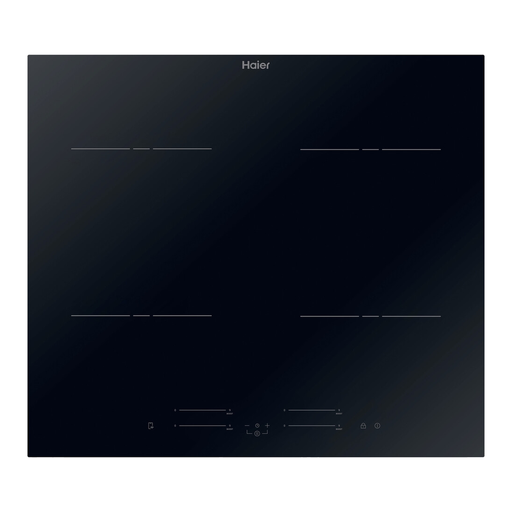
Why This Fits Their Persona: For those who appreciate precision control and smart home integration, this Haier hob delivers. It combines high-performance induction cooking with genuinely useful connected features, appealing to users who want the latest technology in their kitchen.
It sidesteps the clunky control pitfall with its advanced Multislider interface, providing a dedicated, responsive slider for each zone. The Wi-Fi features go beyond novelty, offering guided recipes and remote monitoring for practical benefits.
Connects to the hOn app for a 'Cook with me' personal assistant and remote control. The Power Management system allows the total hob wattage to be capped, offering installation flexibility.
We have compiled a complete, real-time list of products that fully satisfy these strict selection criteria and UK safety regulations.
1. Do I need special pans for an induction hob? Yes. Induction cooking works by using a magnetic field to heat the pan directly. Therefore, your cookware must have a ferromagnetic base. To check if your current pots and pans are compatible, simply see if a magnet sticks firmly to the bottom. Materials like cast iron and many types of stainless steel are suitable, whereas aluminium, copper and glass are not.
2. Can I install a built-in induction hob myself? It depends on the type. A 13 amp plug and play induction hob is designed for DIY installation; you simply place it in the worktop cut-out and plug it into a standard socket. However, any hardwired induction cooker or hob that requires more than a 13A supply must be installed by a qualified electrician in the UK to ensure it meets safety standards and building regulations.
3. How much does it cost to run an induction hob in the UK? Induction hobs are the most energy-efficient type of electric hob, typically using 10-20% less electricity than a ceramic hob. The exact running cost depends on your electricity tariff and how often you cook. Because they heat the pan directly and waste very little energy, they are generally more economical to run than both ceramic and gas hobs over the long term.