Choose induction if you want prompt heat changes while stirring cheese sauce and have a flat, magnetic-base saucepan. Choose ceramic if keeping non-magnetic cookware matters more, but account for its glass surface remaining hot after use. With either type, check the exact hob’s controls, worktop fit and electrical connection before buying.
Who should consider each type?
Careful sauce makers
If you often stir cheese sauce, custard or other foods while changing the heat, pay particular attention to how easily you can adjust the hob’s lower settings. Induction heats the pan directly, but the saucepan must have a suitable magnetic base.
Households keeping their pans
If you plan to keep saucepans without magnetic bases, a ceramic hob may be the more practical electric option. Check the selected hob’s cookware guidance rather than assuming every pan is suitable.
Buyers replacing a built-in hob
If the new hob must fit an existing worktop, compare its required cut-out and connection method with your kitchen before ordering. A hob described as plug-in and one requiring hardwiring call for different installation checks.
What matters when choosing?
For cheese sauce, decide whether responsive heat changes or keeping your existing pans matters more; then check the controls and installation requirements of the particular hob.
Induction
Choose it when: You want direct-pan heating as you move from melting ingredients to gently warming the sauce.
Trade-off: Your saucepan needs a suitable magnetic base, and the electrical connection depends on the model.
Ceramic
Choose it when: Keeping pans that lack a magnetic base is the deciding factor.
Trade-off: The glass heats up and remains hot after the hob is switched off, as NEFF explains in its ceramic-hob guidance.
| Concern |
What to check |
Who this matters to |
| Gentle heat control |
How the exact model adjusts lower heat settings, and whether its controls are easy to change while stirring. |
When a sauce thickens, I want to turn the heat down promptly rather than rely on a rapid-heating feature. Around 36% of consumers put heat control first. |
| Pan and installation fit |
For induction, test the saucepan base with a magnet. Check the worktop cut-out and whether the model is plug-in or hardwired. |
I need a hob that works with the pans I intend to keep and fits the kitchen I already have. Compatibility comes first for around 29% of consumers. |
| Hot surfaces and cleaning |
Look for a residual-heat indicator and, if useful, a control lock; follow the model’s cleaning instructions. |
After sauce splashes, I need to know when the glass is safe to clean and want to avoid unintended control changes. Around 21% of consumers prioritise these everyday-use concerns. |
| Space for other pans |
Compare zone sizes, hob width and cut-out dimensions with the pans and worktop you use. |
If I prepare cheese sauce alongside the rest of a meal, I need room for the other pans too. Cooking capacity is the main concern for around 14% of consumers. |
Mistakes to avoid
-
Assuming every saucepan works on induction
Induction needs cookware with a suitable magnetic base. According to Electrolux UK Support, a magnet against the base offers a practical compatibility check.
Test the saucepans you regularly use, then check the selected hob’s pan-size guidance. Replacing incompatible pans may add to the work involved in switching.
You may need different cookware if the saucepans you want to keep are unsuitable for induction.
-
Choosing boost instead of usable lower settings
A rapid-heating feature addresses a different task from keeping a thickening sauce at gentle heat. Its presence alone does not establish how a hob behaves at lower settings.
Check how the model adjusts heat during stirring and whether its controls and timer suit the way you cook.
-
Ordering before checking the cut-out and connection
Installation requirements differ: Bosch describes its PUE611BB5B as Plug & Play, while AEG specifies a hardwired connection and a 750 × 490 mm cut-out for its SO84IA0SIB.
Measure the existing opening and compare the exact installation instructions with the kitchen’s electrical arrangement. Seek a qualified electrician’s assessment where needed.
A different cut-out or electrical connection can mean additional installation work.
-
Assuming switched-off ceramic glass is cool
NEFF notes that a ceramic cooking surface heats up and remains hot after use; switching off the control does not cool the glass immediately.
Consider a model with a residual-heat indicator, and let the surface cool before cleaning it.
Relevant brands to consider
These examples show why the exact model matters: features, cookware requirements and installation details cannot be assumed across a brand’s range.
Bosch
Bosch’s PUE611BB5B is a four-zone induction example for buyers comparing built-in hobs.
- Bosch lists Plug & Play and PowerBoost for this model.
- Do not assume another Bosch induction hob has the same connection method; check its own installation instructions.
AEG
AEG’s SO84IA0SIB illustrates a wider, 80 cm induction option.
- AEG lists PowerBoost and pause among this model’s features.
- AEG specifies a hardwired connection, 7,200 W total loading and a 750 × 490 mm cut-out for this model, so check fit and electrical requirements before choosing it.
NEFF
NEFF’s UK hob information covers both ceramic and induction cooking.
- Its ceramic guidance explains that the surface heats up, while its induction guidance describes heat generated directly in compatible cookware.
- NEFF identifies its cited T63TDX1L0 induction model as no longer available; check current models individually.
Hotpoint
Hotpoint’s HR 612 C H is a four-zone ceramic example for buyers considering non-induction cooking.
- Hotpoint lists nine power levels, a timer and residual-heat indicators for this model.
- Its ceramic surface remains hot after use; these named features should not be assumed on every Hotpoint hob.
Hobs to consider on Joybuy
These built-in choices include induction hobs for magnetic-base saucepans and a ceramic hob for buyers considering non-induction cooking. Compare each model’s controls and installation instructions with your kitchen before deciding.
 No image available
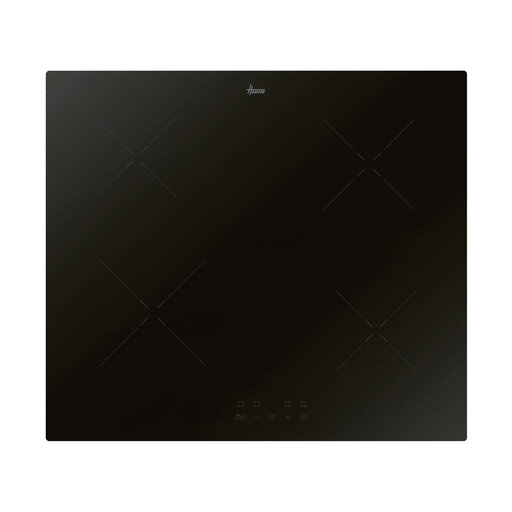
Hoover HI642BCB 60 cm four-zone induction hob
Consider this induction hob if you use a magnetic-base saucepan and want space for other pans while making sauce.
Check the model’s lower-heat controls, worktop fit and electrical requirements against its instructions.
View on Joybuy
 No image available
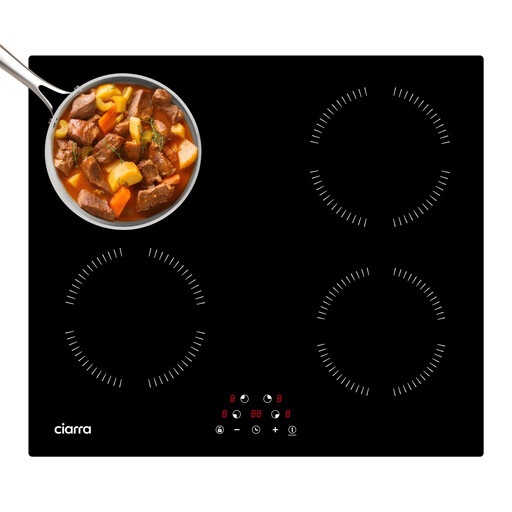
Ciarra 60 cm four-zone built-in induction hob
This four-zone induction option suits consideration if your saucepans have suitable magnetic bases and you also cook with other pans.
Confirm the connection method, worktop cut-out and lower-heat controls in the exact model’s instructions.
View on Joybuy
 No image available
Belling IHL773 BLK 77 cm induction hob with flexible bridge
Consider the wider format if you cook sauce alongside other dishes and have room for it in the worktop.
The product name specifies touch controls and a boost mode; check the bridge-area guidance, cut-out and connection requirements for this model before ordering.
View on Joybuy
 No image available
Bosch PIE631BB5E Series 4 60 cm hardwired induction hob
This induction model is worth considering for sauce-making if you have compatible cookware and are planning a hardwired built-in installation.
Confirm the cut-out, electrical requirements and lower-heat controls for the PIE631BB5E specifically; it is not the Bosch PUE611BB5B described as Plug & Play above.
View on Joybuy
 No image available
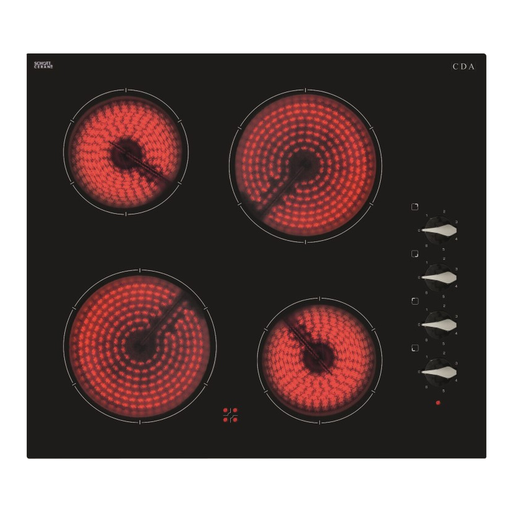
CDA HC6212FR 60 cm four-zone frameless ceramic hob
Consider this ceramic option if keeping saucepans without magnetic bases is more important to you than choosing induction.
Confirm its power settings, whether it has the timer you want, and its exact installation dimensions. Allow the ceramic surface to cool after use.
View on Joybuy
Frequently asked questions
Is induction or ceramic more suitable for cheese sauce?
Induction is a sensible choice if you want prompt heat changes while stirring and have a suitable magnetic-base saucepan. Ceramic is an alternative if keeping non-magnetic pans matters more; compare the model’s lower settings and remember that its glass remains hot after switch-off.
Will my existing saucepan work on an induction hob?
It needs a suitable magnetic base. Electrolux UK Support recommends checking whether a magnet attracts the pan base; also check that the base is flat and within the chosen hob’s permitted pan-size range.
Can I connect a built-in electric hob to an existing socket?
That depends on the exact hob and the electrical installation, so do not assume an existing socket is suitable. Bosch describes the PUE611BB5B as Plug & Play, whereas AEG specifies a hardwired connection for the SO84IA0SIB; compare the chosen model’s instructions with your kitchen and seek a qualified electrician’s assessment where needed.
When can I clean the hob after making sauce?
Wait until the surface has cooled, then follow the manufacturer’s cleaning instructions. NEFF notes that ceramic glass remains hot after use; use a residual-heat indicator where fitted rather than treating a switched-off control as proof that the surface is cool.


