Everyday soup makers replacing a standard hob
If courgette soup normally uses one saucepan or stockpot, focus on a suitable cooking zone, controls you can adjust after bringing the soup to the boil, and a built-in hob that fits your kitchen.


For courgette soup made in a conventional saucepan or stockpot, start with an induction hob whose zone fits the pan’s magnetic base and whose cut-out and electrical requirements suit your kitchen. A standard four-zone layout covers one soup pan alongside other cooking; consider bridge or flex zones if larger cookware or frequent multi-pan cooking makes fixed zones restrictive, while checking the extra space and installation requirements of the exact model.
If courgette soup normally uses one saucepan or stockpot, focus on a suitable cooking zone, controls you can adjust after bringing the soup to the boil, and a built-in hob that fits your kitchen.
If you make several portions or cook other dishes alongside the soup, compare your largest pan’s base with the usable cooking areas. AEG and Neff describe bridge and flex layouts on particular models, but those features matter most when your cookware needs them.
For a built-in replacement, the worktop opening, available depth and connection method may determine which hob you can fit. Check the exact installation instructions before settling on a zone layout.
Choose the layout around the pans you actually use, then check the installation requirements of the exact hob rather than relying on its advertised width.
Choose when: A conventional magnetic soup pan fits a fixed zone and you want room for another pan.
Trade-off: Fixed zones offer less flexibility for unusually broad or long cookware.
Choose when: Your regularly used cookware needs a joined cooking area; AEG describes this layout on its 60 cm OIO64B00IB.
Trade-off: That AEG model is hardwired only, so its electrical requirements need checking before purchase.
Choose when: You frequently place several pans or varied cookware across the hob and have space for a larger appliance.
Trade-off: NEFF lists its five-zone T58TT20N0 at 826 × 546 mm, so it needs a different space check from a 60 cm model.
| Concern | What to check | Who this matters to |
|---|---|---|
| Installation and connection | Compare the required cut-out and depth with your worktop; check the exact connection instructions. | If I am replacing a built-in hob, I need to know it can fit and connect in my kitchen before choosing features. Around 33% of consumers put installation suitability first. |
| Pan and zone fit | Confirm a magnetic pan base and compare its size with the intended zone; Bosch advises matching the ferromagnetic base to the zone. | I want to keep using my usual soup pot, so whether its base works on induction is my deciding issue. Around 27% of consumers put cookware compatibility first. |
| Changing the heat | Look at how the exact model lets you change power after the soup reaches the boil. | When I move from heating the soup to cooking it more gently, I want controls I can adjust without fuss. Around 27% of consumers prioritise heat control. |
| Larger or multiple pans | Compare your largest regular pan with the usable zones; consider a bridge or flex area if fixed zones restrict it. | I make larger batches or cook alongside the soup, so usable space for my pans matters most. Around 13% of consumers prioritise pan-layout flexibility. |
Induction needs a ferromagnetic pan base. Bosch also advises matching that base to the cooking-zone size.
Check the base of the saucepan or stockpot you use for courgette soup, then compare its dimensions with the intended zone.
Keeping a non-magnetic soup pot may mean using a different pot for induction cooking.
The visible appliance dimensions are not the worktop cut-out dimensions. Connection requirements can also differ between models of a similar width.
Use the exact model’s installation instructions to check the opening, depth, clearances and electrical connection before ordering.
A mismatched opening may require worktop alteration before the hob can be fitted.
Joined or flexible zones help when regularly used cookware does not fit a fixed zone; an ordinary round soup pan may not need them.
Measure the base of your largest regular pan and decide whether its placement, rather than the feature name, calls for a flexible area.
Bosch warns that empty cookware can heat quickly enough for automatic switch-off not to respond in time, with possible damage to the cookware or glass surface.
Avoid heating an empty pan on an induction zone, particularly one with a thin base.
A reference point for conventional built-in induction layouts. Bosch lists four zones and Touch Select on the PUE611BB5E.
Relevant if a bridge area would accommodate cookware you use regularly. AEG lists this arrangement on the 60 cm OIO64B00IB.
Relevant if a larger flex-induction layout would suit varied cookware placement. NEFF describes flex induction and a removable TwistPad control on the T58TT20N0.
These Joybuy listings include four-zone hobs for cooking soup alongside other dishes and an Area Flex model to consider if your cookware needs a different layout. For any model, check that your magnetic soup pan fits a zone and that the installation instructions suit your kitchen.
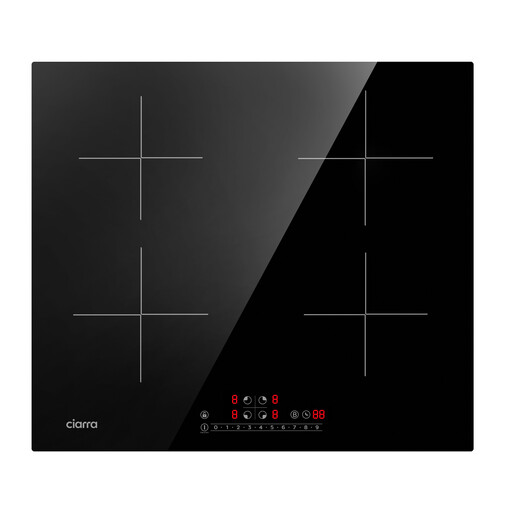 No image available
Consider this four-zone format if you cook soup while using other pans.
The product name specifies touch controls, nine power levels and a booster function. Check your soup pan’s magnetic base against the zone dimensions and confirm the connection requirements in the installation instructions.
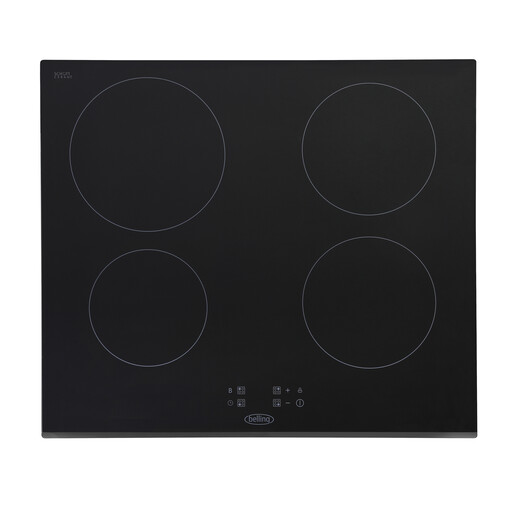 No image available
This built-in model is worth considering if a 60 cm format suits your kitchen.
Before choosing it for your usual soup pot, check the zone and pan-base guidance, worktop cut-out and electrical connection in the exact model’s instructions.
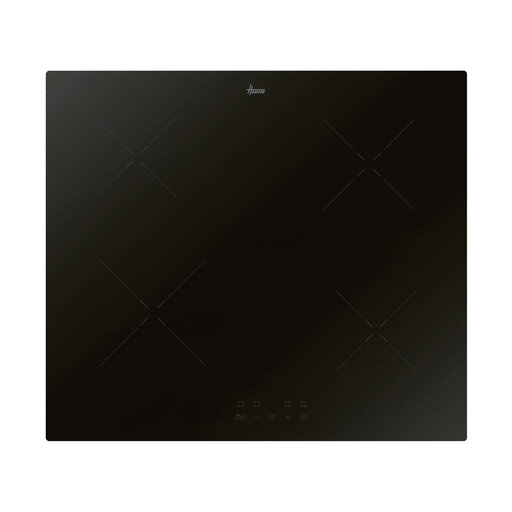 No image available
The four-zone layout suits consideration when soup is one part of a multi-pan meal.
Check whether your magnetic soup pan fits a zone and whether the worktop and electrical installation suit this model before buying.
 No image available
Consider this 60 cm model if its cooking zones suit your soup pan and a hardwired hob suits the kitchen installation.
The product name specifies hardwired installation. Check the exact worktop cut-out, zone dimensions and electrical requirements before purchase; specifications for the different Bosch PUE611BB5E model do not establish this model’s fit.
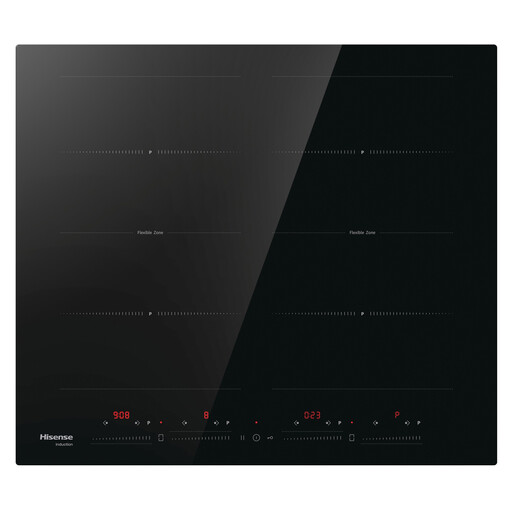 No image available
Consider its Area Flex layout if your regular cookware needs more placement flexibility than a fixed zone offers.
Check the usable area against your soup pan’s magnetic base, then confirm the cut-out and electrical connection in the model’s installation instructions.
It will work if it has a suitable ferromagnetic base. Bosch lists cast iron, enamelled steel and specialist stainless steel as examples, and advises matching the magnetic base to the cooking zone; check an individual pan rather than relying on its material name alone.
A bridge zone is not normally necessary for one round pan that fits a fixed zone. It becomes relevant if cookware you use regularly is too broad or long for a fixed area, so compare the actual pan base with the hob’s usable zones.
No: the appliance width and required cut-out are different measurements. AEG lists its OIO64B00IB at 580 × 510 mm overall with a 560 × 490 mm built-in cut-out; use the installation dimensions for the exact model you intend to fit.
Do not assume England-specific guidance applies unchanged throughout the UK. GOV.UK identifies Approved Document P as electrical-safety guidance for dwellings in England; check the requirements applicable to your location and the exact hob’s installation instructions, particularly for a hardwired model.
Avoid heating an empty pan on an induction hob. Bosch warns that empty cookware, particularly with a thin base, can heat quickly enough for automatic switch-off not to respond in time and may damage the cookware or glass surface.