For a family-sized pot of potato soup, a 60 cm four-zone induction hob is a sensible starting point if a cooking zone fits your pan and the exact model suits your kitchen installation. Consider flex or bridge zones, or a wider layout, when you regularly cook side dishes alongside the soup; check your pan, worktop opening and electrical connection before ordering.
Who needs which layout?
One-pot family-meal cooks
If soup is the main dish and you use few other pans, start with a zone that fits your saucepan. Check how easily you can turn the heat down for simmering; a timer or pause control may be useful if you step away to prepare the rest of the meal.
Multi-pan family dinner cooks
If a large soup pot shares the hob with several side dishes, look at usable pan positions rather than width alone. NEFF describes flex zones on its T56TT60N0, while AEG lists bridge areas on its cited wider models; either approach still needs to fit your worktop and cookware.
Low-disruption kitchen upgraders
If changing the electrical installation is a concern, check the connection specified for each model. Bosch describes the PUG61RAA5B as Plug & Play, whereas AEG specifies hardwired connections for its cited 80 cm Bridge and MultiBridge models.
What matters when choosing?
Start with the soup pan and the number of other pans you use at once. Then compare controls and installation requirements for the exact hob.
| Concern |
What to check |
Who this matters to |
| Space for several pans |
Compare your soup pan’s base with zone sizes and positions; consider flex or bridge areas for wider cookware. |
If I make side dishes while the soup pot occupies a large cooking area, I need room to place every pan without crowding the controls. Around 33% of consumers put simultaneous cooking space first. |
| Heating and simmer control |
Check the power controls and whether the exact model offers boost, a timer or pause. |
When soup reaches a boil, I want to lower the heat deliberately and keep track of the cooking time. For around 27% of consumers, managing that change in heat is the primary concern. |
| Installation fit |
Match the specified cut-out and clearances to your worktop, then confirm the connection type and electrical requirements. |
Before replacing a hob, I need to know that the opening and electrical supply suit the model I choose. Installation fit comes first for around 20% of consumers. |
| Cookware and controls |
Check the soup pan’s induction compatibility and the exact model’s control-lock arrangement. |
I want to keep using my large saucepan and avoid accidental changes to the controls during a family meal. Around 20% of consumers prioritise cookware compatibility and straightforward controls. |
Buying pitfalls
-
Assuming every induction hob uses a standard plug
Connection methods differ by model: Bosch describes the PUG61RAA5B as Plug & Play, while AEG specifies hardwired connections for its cited 80 cm Bridge and MultiBridge hobs.
Read the exact installation instructions before ordering. If the existing circuit or required work is uncertain, Electrical Safety First advises getting a registered electrician to assess the load, circuit type and cable rating.
-
Choosing by hob width alone
The opening in the worktop matters as well as the appliance’s outside dimensions. AEG specifies a 750 × 490 mm built-in cut-out for its cited 80 cm models.
Measure the existing opening and available clearance, then compare both with the installation drawing for the model you intend to buy.
-
Assuming the current soup pan will work
Which? explains that induction cooking requires compatible cookware with a ferromagnetic base; a pan used on a previous hob may not be suitable.
Check the pan’s induction marking or whether a magnet sticks firmly to its base before choosing the hob.
If the pan is incompatible, you may need a different saucepan for the soup.
-
Treating boost as a simmer setting
Boost is a high-power feature for the initial heating stage, not a substitute for adjusting the heat once the soup boils.
Check that you can make the required power adjustment on the chosen model, and use a timer or pause control if that model provides one.
Relevant brands to consider
Bosch
Worth considering if a 60 cm layout and the connection method are central to your choice.
- Bosch describes its PUG61RAA5B as a Plug & Play induction hob.
- That installation description applies to the named model; confirm the connection and cooking-zone layout of any other Bosch hob separately.
NEFF
Relevant when the shape and placement of your soup pan make fixed cooking zones awkward.
- NEFF describes flex-induction zones and automatic cookware detection on the T56TT60N0.
- Flex zones do not remove the need to check pan compatibility, installation dimensions and electrical requirements for that model.
AEG
Relevant to kitchens where a wider hob can accommodate soup and several accompanying dishes.
- AEG describes bridge areas on its cited 80 cm models; its MultiBridge model has five individually controlled zones.
- The cited models require hardwired connections and specify a 750 × 490 mm built-in cut-out, so check the worktop and electrical installation before choosing one.
Induction hobs on Joybuy
These models offer different widths and cooking-zone layouts for making soup alongside the rest of a family meal. Choose by your pan and available space, then check each model’s installation instructions against your kitchen.
 No image available
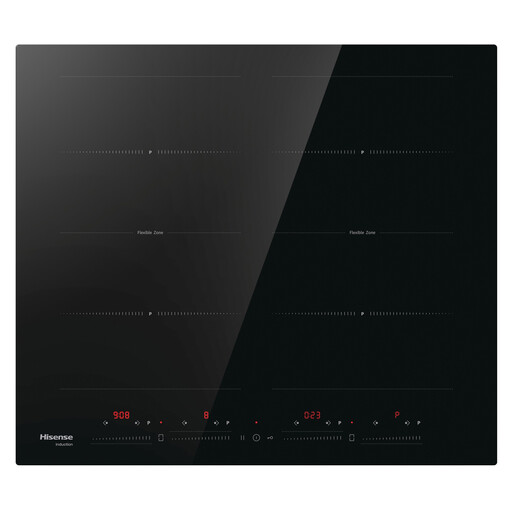
Hisense HI6442BSCE 60 cm induction hob with Area Flex, black
For a large soup pan, compare its base with the Area Flex cooking area and leave room for any other pans you use. Check the worktop cut-out and electrical requirements in the installation instructions.
View on Joybuy
 No image available
Belling IHL773 BLK 77 cm four-zone induction hob with flexible bridge
The flexible bridge is relevant if your soup cookware needs more space while other pans are in use. The product name also identifies touch controls and boost mode; check the required worktop opening and electrical connection before ordering.
View on Joybuy
 No image available
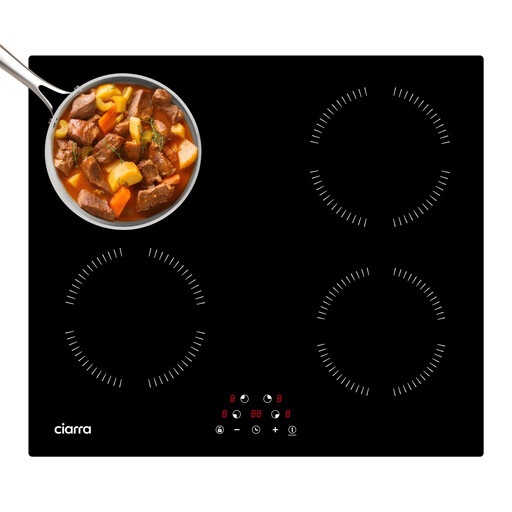
Ciarra 60 cm four-zone built-in induction hob
The four-zone layout gives you positions to assess for a soup pan and accompanying dishes. Compare the pan base with the cooking zones, and confirm the cut-out and electrical connection against the installation instructions.
View on Joybuy
 No image available
Bosch PIE631BB5E Series 4 60 cm hardwired induction hob
Consider this layout if it provides suitable positions for your soup pan and other dishes. Its product name specifies hardwired installation, so check the worktop opening and have the electrical supply assessed for the exact model.
View on Joybuy
 No image available
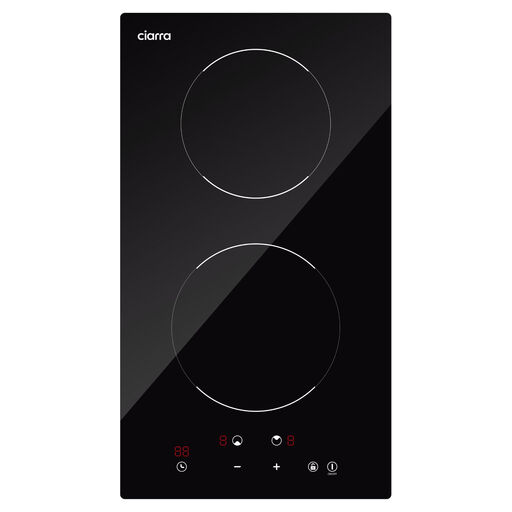
CIARRA CBBIH292T 29 cm two-zone induction hob, 2900W
This narrower layout is worth assessing if soup and just one other pan are usually enough; two zones leave less room for a meal involving several pans. The product name specifies touch control, nine power levels, a timer and a child lock. Check the cut-out and electrical requirements before ordering.
View on Joybuy
Questions about choosing and installation
Will my current soup saucepan work on an induction hob?
It will work if its base is induction-compatible. Which? says induction hobs typically need cookware with a ferromagnetic base, so check the pan’s marking or whether a magnet sticks firmly to the base.
Do I need a bridge or flex zone to make potato soup?
Not necessarily: a suitably sized conventional zone can accommodate your soup pan. A bridge or flex area becomes more relevant when the cookware is unusually wide or you need more flexibility in placing other pans alongside it.
Can I replace my existing hob with a plug-in induction model?
Only if the exact model and your kitchen installation are suitable. Bosch identifies the PUG61RAA5B as Plug & Play, but that does not describe every induction hob; Electrical Safety First says a registered electrician can assess the circuit, cable rating and load where needed.
What should I check before arranging installation?
Compare the model’s specified cut-out, clearances and connection requirements with your worktop and electrical supply before arranging the work. For electrical installation or uncertainty about the existing circuit, seek an assessment from a registered electrician, as Electrical Safety First recommends.


