Sauce-first family cooks
If you regularly stir cheese or cream sauces while cooking the rest of dinner, focus on a saucepan zone with controls you can adjust readily at low power.


For a family meal that includes cheese sauce, look for an induction hob with a suitably sized saucepan zone, easy-to-adjust low-power settings and enough separate zones for your other pans. Consider a bridge or flex-zone model if you regularly use long or large cookware. Before choosing either layout, check that your pans work on induction and that the exact hob can be fitted and connected in your kitchen.
If you regularly stir cheese or cream sauces while cooking the rest of dinner, focus on a saucepan zone with controls you can adjust readily at low power.
If several parts of a family meal cook at once, compare the space available for your pans, not just the number of zones. Clear controls and a control lock may also matter in a shared kitchen.
If you use a griddle, roasting dish or long pan, check whether a bridge, combi or flex area accommodates it alongside the saucepan used for sauce.
Start with your sauce pan and the space needed for other dishes, then check the worktop opening and electrical connection before settling on a hob layout.
| Concern | What to check | Who this matters to |
|---|---|---|
| Gentle sauce control | Check the saucepan base against the zone guidance and assess how readily you can lower the selected power setting while stirring. | When I add cheese, I want to reduce the heat without interrupting the rest of dinner. Around 36% of consumers would put sauce control first. |
| Space for several pans | Compare zone positions with the pans you use together; check for a linked area if a long pan or griddle is part of the meal. | If I have sauce, vegetables and another dish on the go, I need room to position the pans without crowding them. For around 29% of consumers, simultaneous pan space would be the priority. |
| Cookware and kitchen fit | Confirm induction-compatible pan bases, the exact worktop cut-out and clearances, and the model’s electrical connection requirements. | Before replacing a hob, I need to know that my pans, worktop opening and electrical setup can accommodate it. Around 21% of consumers would make compatibility their primary concern. |
| Shared-kitchen controls | Look for the control-lock, automatic switch-off and residual-heat functions on the specific model. | When others use the kitchen, I want controls that are straightforward to manage and clear indications that a cooking area may still be hot. Ease of use would come first for around 14% of consumers. |
Induction needs a suitable magnetic pan base. Bosch UK also advises matching the pan base to the cooking zone for effective heating.
Check your existing saucepans for induction compatibility and compare their base sizes with the chosen hob’s guidance.
You may need different cookware if your current pans are unsuitable.
The part of a hob that sits in the worktop can be narrower than its visible surface. Clearance and ventilation instructions also need checking for the chosen model.
Measure the opening and surrounding cabinet space against the exact installation drawing before ordering.
A mismatch may require worktop alterations before the hob can be fitted.
A faster-heating boost function does not tell you how easily you can manage gentle heat after adding cheese.
Assess the control layout and settings for the saucepan zone; treat boost as a separate feature for tasks that call for faster heating.
Connection requirements differ by hob and property. Electrical Safety First recommends using a registered electrician for installation work.
Read the exact model’s installation instructions and have the proposed connection assessed before arranging fitting.
Electrical work may be needed as part of fitting the hob.
Bosch UK lists four-zone induction models for conventional pan layouts, as well as selected models with a linked CombiZone.
AEG offers Bridge-equipped induction models for households that use larger or longer cookware.
NEFF’s Flex Induction range is relevant if the sizes and positions of your pans vary between meals.
These induction hobs include a bridge-area option for larger cookware and four-zone choices for meals made with conventional pans. For cheese sauce, check each model’s low-power controls and saucepan guidance as well as the fit and installation requirements.
 No image available
Consider its flexible bridge area if a larger pan shares the family meal with your sauce pan.
 No image available
This is a 60 cm built-in option to assess if you usually cook with conventional saucepans rather than long cookware.
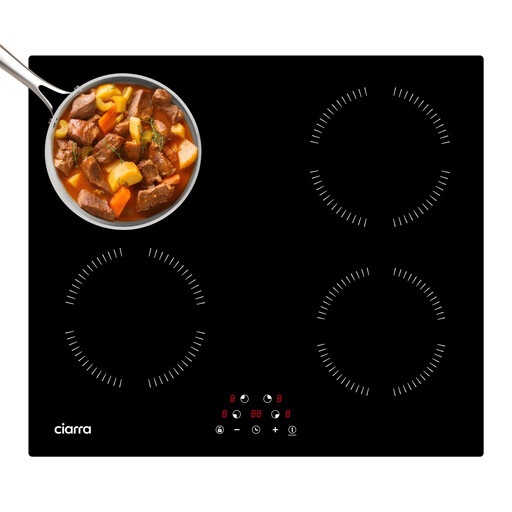 No image available
Its four-zone layout is worth considering when you need separate positions for sauce and other family-meal pans.
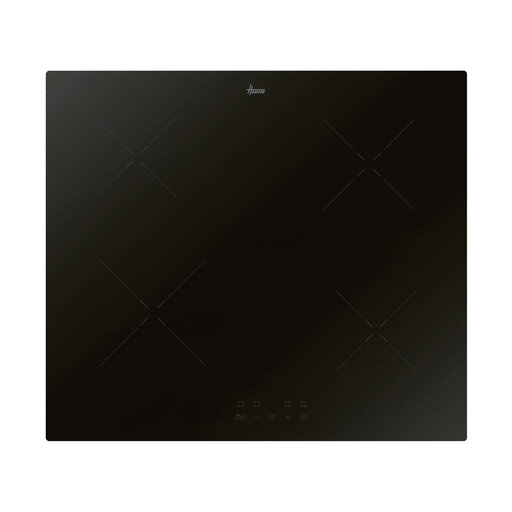 No image available
Consider its four-zone layout if sauce is one of several dishes you cook at the same time.
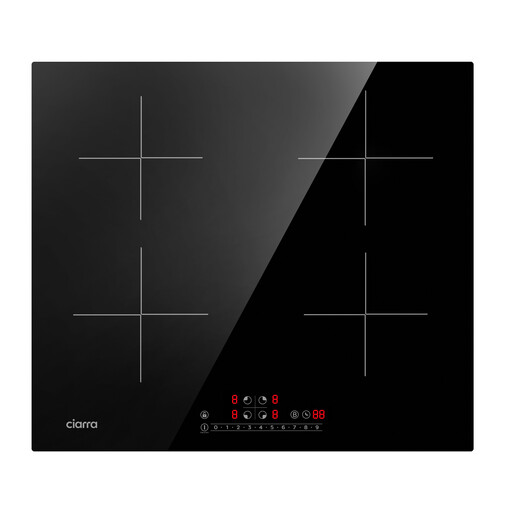 No image available
This four-zone model is another option for cooking sauce alongside the other parts of a family meal.
They will work only if their bases are suitable for induction. Bosch UK advises using ferromagnetic cookware and matching the pan base to the zone; check your existing pans before choosing a hob around them.
Not for a conventional saucepan that fits a standard zone. A bridge or combi area becomes relevant if the same meal also calls for a long pan, large dish or griddle; AEG and Bosch describe linked cooking areas on specific models.
Measure the worktop opening and the available surrounding space, then compare both with the exact model’s installation drawing and clearance requirements. A hob’s visible surface can be wider than the section fitted into the worktop.
Arrange an assessment of the proposed electrical connection before committing to a model. Electrical Safety First recommends using a registered electrician for installation work; the chosen hob’s instructions and your property’s setup determine what fitting work is needed.