Family cooks using several pans
If the broth simmers while noodles, eggs, greens or other toppings cook separately, look at the number and spacing of independently controlled zones, not just the hob's overall width.


A 60 cm four-zone induction hob is a sensible starting point if your magnetic stockpot fits one zone and you use the others for noodles and toppings. Consider a bridge or flex zone for a wide or awkwardly positioned pot, or a wider hob if you regularly need more pans cooking at once. Whichever layout you choose, check the exact model's worktop opening, ventilation and electrical requirements before ordering.
If the broth simmers while noodles, eggs, greens or other toppings cook separately, look at the number and spacing of independently controlled zones, not just the hob's overall width.
A broad or oval vessel may make a combined cooking area useful. AEG, Bosch and NEFF describe different bridge, combined-zone and flex-zone arrangements, so check which parts of the particular hob can accommodate your pan.
The new layout also has to suit the worktop opening and installation. Bosch notes that installation measurements vary by model; check the chosen hob's instructions before treating an existing opening as a match.
Consider it when: A round broth pot and smaller pans are your usual family-meal arrangement.
Trade-off: A wide pan cannot span two zones unless the particular model provides a bridge or flex function.
Consider it when: Your usual broth vessel is broad, oval or difficult to place on one fixed zone.
Trade-off: The combined area's position still has to suit your pan and the smaller pans you cook alongside it.
Consider it when: A broth pot, noodle pan and several topping pans regularly need space at the same time.
Trade-off: A wider appliance needs a suitable worktop opening and may make a straightforward replacement less likely.
| Concern | What to check | Who this matters to |
|---|---|---|
| Cooking several pans | Count the zones and check whether your stockpot leaves usable space for the other pans. | I want the broth to keep simmering while noodles and toppings cook, without repeatedly moving pans. Around 42% of consumers put simultaneous cooking space first. |
| Placing a large pot | Compare the pot's base with the available zones and check which zones, if any, can be combined. | My usual broth vessel is wide or awkwardly shaped, so where it can sit matters more than the zone count alone. Flexible placement comes first for around 33% of consumers. |
| Cookware and installation fit | Confirm magnetic pan bases, the model's worktop cut-out and its ventilation and electrical instructions. | Before replacing a built-in hob, I need to know that my pans and kitchen can accommodate it. Around 25% of consumers prioritise those compatibility checks. |
A combined zone is most relevant when cookware is too wide, long or awkwardly positioned for one ordinary zone. A round stockpot and smaller pans may fit a conventional four-zone layout.
Measure the pot base and sketch where the pans used together would sit before choosing a zone arrangement.
Induction requires cookware with a magnetic base, as Bosch explains. A suitable hob layout will not heat a non-magnetic stockpot.
Check the broth pot and everyday pans with a magnet or their induction-compatibility markings.
Pans that are not compatible would need replacing for use on the induction hob.
Appliance width does not establish that a built-in hob fits the existing cut-out or meets its ventilation instructions.
Use the installation document for the exact model to check the opening and required clearances before ordering.
A mismatched opening may require worktop alterations.
AEG specifies a hardwired-only connection for its TO64IB00FZ. Connection requirements must be checked for the model you actually choose.
Compare its installation instructions with the existing electrical arrangement and arrange an assessment where needed.
AEG's 60 cm TO64IB00FZ illustrates a four-zone layout with a bridge function for larger cookware.
Bosch describes induction layouts in several widths, including the five-zone PVW831HB1E with a CombiZone for large cookware.
NEFF's 60 cm T56TT60N0 illustrates a layout designed for more flexible cookware placement.
These induction hobs include 60 cm layouts for cooking a broth pot alongside other pans, plus a wider bridge-zone option. Compare your usual pan arrangement and the installation instructions for each model before choosing.
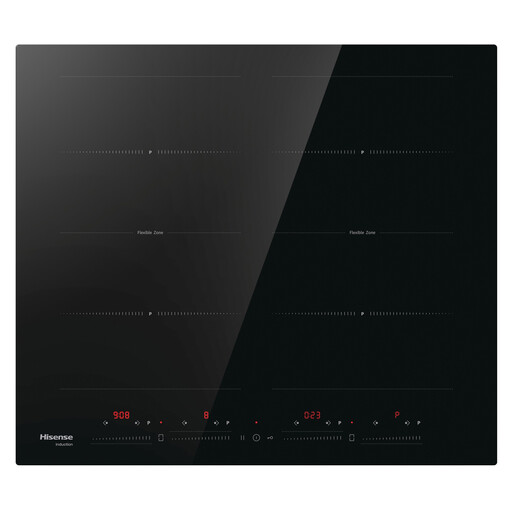 No image available
Consider its Area Flex layout if your broth pot needs a different placement from your smaller pans.
Check your pan bases for induction compatibility and confirm the model's cut-out, ventilation and electrical requirements before ordering.
 No image available
The flexible bridge is worth considering if a wide broth pot needs space while other pans occupy separate zones.
Its 77 cm width makes worktop fit particularly important. Confirm the exact cut-out, ventilation and electrical requirements, and use magnetic-base pans.
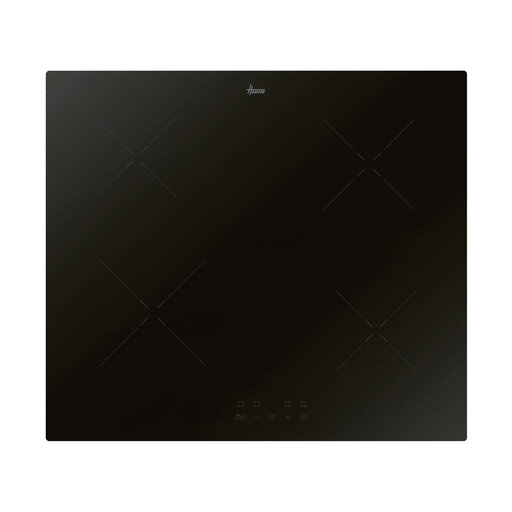 No image available
Its four-zone layout is a choice to examine when a round broth pot and smaller pans need separate cooking positions.
Check that the pans have magnetic bases and confirm the cut-out, ventilation and electrical requirements for this model.
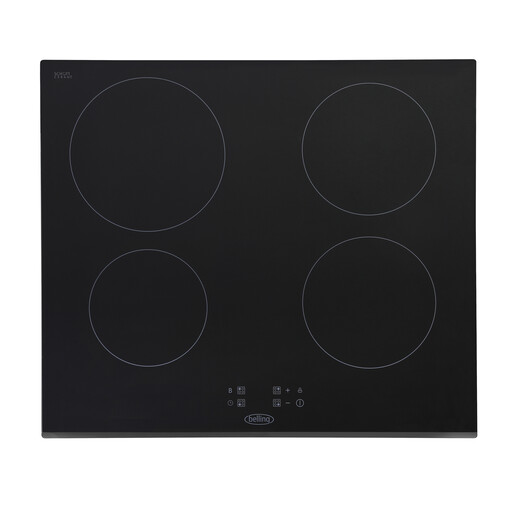 No image available
Consider this 60 cm model if its zone arrangement accommodates the broth pot and the other pans you use together.
Check the zone layout, magnetic-base cookware compatibility, worktop opening, ventilation and connection requirements for the exact model.
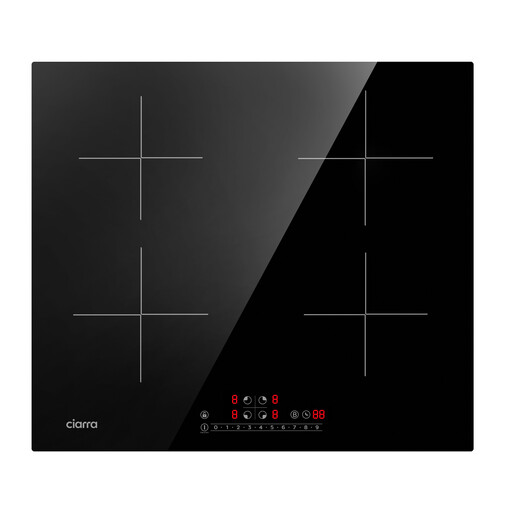 No image available
Its four zones make it a model to compare if the broth and accompanying dishes each need a cooking position.
The product name specifies touch controls, nine power levels and a booster. Check pan compatibility and the model's cut-out, ventilation and electrical instructions.
Not if your existing broth pot and other pans have magnetic bases. Bosch explains that induction needs magnetic cookware; check the pans with a magnet or look for their induction-compatibility markings before relying on them.
Not necessarily: a round stockpot can use one zone while smaller pans use others, provided they fit the hob's layout. Consider a bridge or flex zone if you routinely use a wide, oval or awkwardly positioned vessel, and check which zones can accommodate it.
Check the chosen model's appliance dimensions, required worktop cut-out, clearance below the hob and ventilation instructions. Bosch notes that installation measurements vary by model, so use the instructions for the exact hob rather than assuming that two appliances with the same advertised width need the same opening.
Check the requirements that apply to the work in your part of the UK, alongside the new hob's connection instructions. GOV.UK's Approved Document P concerns electrical safety in dwellings in England; it should not be treated as guidance for Scotland, Wales or Northern Ireland. Have the existing installation assessed where the model's connection requirements call for it.