
24/7 Customer Support

Free returns

Same-day & Next-day Delivery

Quality Guaranteed

Unlock Your Welcome Offers: FREE Delivery | Up to 80% OFF | Free 30-day JoyPlus trial
Download the APP
An induction hob can offer quick heat control, a relatively easy-clean surface and useful safety functions, but the wrong model may create installation problems or leave you unable to use your existing pans. UK shoppers are often comparing a portable induction cooker with a built-in induction hob, while also considering traditional electric hob options for rental properties and kitchen renovations.
Before choosing based on appearance or headline wattage, check the following common buying pitfalls.
A product described as a 60cm induction hob may still require a specific cut-out beneath the glass. Overall dimensions and cut-in dimensions are not interchangeable. For example, a hob measuring approximately 590mm wide may require a 560mm by 490mm opening.
Always compare:
For a replacement installation, measure the existing opening rather than relying only on the nominal width.
Induction heating requires cookware with a suitable magnetic base. Aluminium, copper and ceramic pans may not heat unless they include a ferromagnetic layer. A simple magnet test on the underside can help, although the manufacturer’s cookware guidance remains the reference point.
Check the recommended pan diameter, too. A pan that is too small may not be detected, while an oversized pan may heat unevenly. Some portable models accept cookware between 12cm and 26cm, whereas built-in zones may specify different usable ranges.
A 2000W induction cooker is designed for one cooking zone and is useful for boiling, simmering or preparing meals in a compact kitchen. A four-zone model may list a total rating of 6000W, but its power management system can distribute electricity across zones when several pans are used at once.
Look for:
A high figure alone does not explain how the appliance behaves during simultaneous cooking.
A portable induction cooker suits renters, students, small kitchens and households needing an additional cooking surface. It can be stored when not required, but it normally provides only one cooking zone and needs a stable, ventilated worktop.
A built-in induction hob provides a permanent four-zone layout and a more integrated appearance. Built-in electrical connections should be completed by a suitably qualified electrician, following the manufacturer’s instructions and applicable UK electrical requirements. Do not assume a standard plug or extension lead is suitable for a hard-wired appliance.
A four-zone induction hob is practical for family cooking, particularly when several pans need to be used together. However, four zones occupy more worktop space and may require a higher-rated electrical connection.
A 60cm format is common for UK kitchens, but confirm the actual cut-out. One example in this guide has a 590mm by 520mm external size, a 560mm by 490mm cut-in requirement and a listed 32A rated fuse.
A touch-control induction hob is easy to wipe around because there are no raised dials, but touch buttons may be less convenient with wet or greasy fingers. Rotary controls on an electric hob can feel more familiar to some users.
Useful features include:
These features support safer everyday operation but do not replace supervision. The glass surface and nearby cookware can remain hot after cooking.
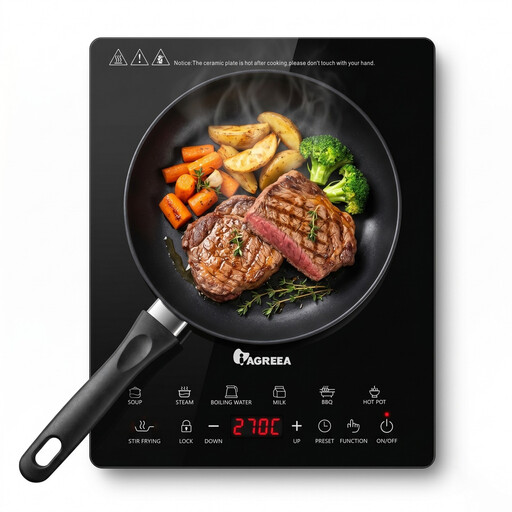
Why This Fits Their Persona: A compact option for students, renters and smaller UK kitchens where a permanent hob installation is not practical.
Its listed 12–26cm cookware range and 100W–2000W adjustment range make compatibility and control easier to check before purchase.
2000W output, eight power levels, a three-hour timer and child safety lock in a 44.5mm-thick design.
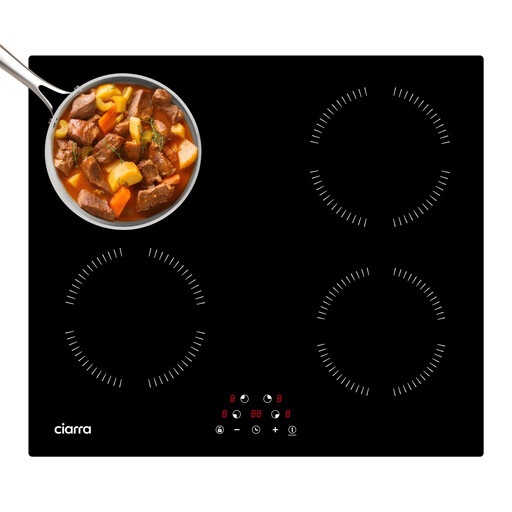
Why This Fits Their Persona: A permanent kitchen choice for renovators and families wanting four cooking zones within a standard-width built-in format.
The product listing provides both external and cut-in dimensions, nine power levels and a listed 32A fuse requirement for installation planning.
Four independent zones, individual 99-minute timers, automatic pan detection, residual-heat indicator and child lock.
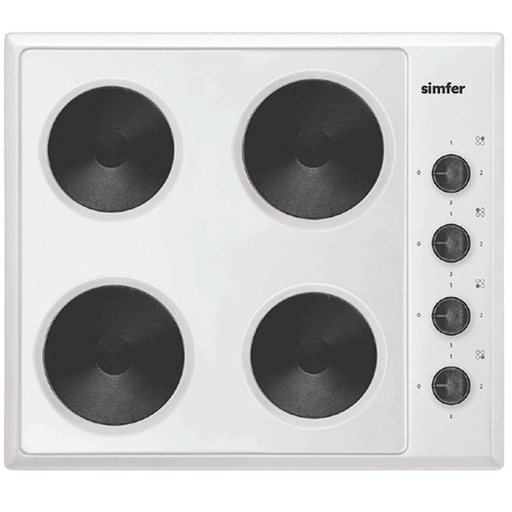
Why This Fits Their Persona: Suitable for shoppers who prefer familiar solid plates, rotary controls and a straightforward four-plate electric hob layout.
It avoids induction-specific pan compatibility issues, but buyers must still allow for heat retention and the listed hard-wired connection.
Four solid plates, side rotary controls, two 1,000W plates and two 1,500W plates in a 60cm built-in format.
For occasional camping or emergency cooking, the Fire Maple fixed Star Cooking System is a gas-powered outdoor system rather than an induction hob. Its nestable 1-litre pot, stove and support components are designed for outdoor transport. The gas canister is excluded, so check fuel compatibility and follow outdoor-use instructions. It should not be treated as a substitute for an indoor induction hob.
We have compiled a complete, real-time list of products that fully satisfy these strict selection criteria and UK safety regulations.
Running cost depends on the appliance’s electricity consumption, cooking time, heat setting and household tariff. Induction transfers heat directly to compatible cookware, which may reduce heat lost around the pan. Compare the rated power and actual usage rather than assuming every induction model will cost less to operate.
A built-in model may require a dedicated electrical connection, suitable protection and adequate ventilation. Follow the installation manual and arrange installation by a suitably qualified electrician where required. Check the cut-out dimensions and rated fuse before ordering.
Lifespan varies according to construction, frequency of use, installation quality and maintenance. Keep ventilation openings clear, avoid abrasive cleaners, do not use a hob with cracked glass and follow the manufacturer’s care instructions. A warranty, such as the listed 24-month cover on the Ciarra model, provides a defined support period but does not guarantee a particular total lifespan.