Family multi-pan cooks
If soup shares the hob with sautéed leeks, vegetables or another dish, consider the space your pans occupy together, not just the number of zones shown on the controls.


For leek soup alongside other family-meal dishes, a conventional four-zone induction hob is a sensible starting point when your round soup pot fits one zone. Consider a bridge or flex layout if you regularly use larger cookware or need more adaptable pan placement; before choosing either, check your pans, worktop opening and the model’s electrical installation instructions.
If soup shares the hob with sautéed leeks, vegetables or another dish, consider the space your pans occupy together, not just the number of zones shown on the controls.
If you bring a pot to the boil and then leave it to simmer while preparing the rest of the meal, choose controls you can adjust confidently between those stages.
If the new hob must fit an existing kitchen, check the soup pot, worktop opening and electrical installation before committing to a model.
Choose it when: A round soup pot fits one zone and the family meal uses other ordinary pans.
Trade-off: Separate circular zones offer less flexibility for oversized or elongated cookware.
Choose it when: Larger cookware or variable pan placement regularly makes individual zones awkward to use.
Trade-off: The added flexibility may cost more, and each model’s zone arrangement still needs checking.
Choose it when: Worktop space is limited and a soup pot plus one other pan meets your cooking needs.
Trade-off: Two zones restrict how many dishes you can cook at once.
| Concern | What to check | Who this matters to |
|---|---|---|
| Usable pan space | Compare the bases of the pans you use together with the model’s zone diagram and cookware-size guidance. | When soup and its accompanying dishes need several pans at once, I want enough room to position them without crowding. Around 33% of consumers put usable multi-pan space first. |
| Boil-to-simmer control | Check the control layout and how the exact model’s boost and lower heat settings operate. | I need to lower the heat after bringing soup to the boil while continuing with the rest of the meal; for around 27% of consumers, manageable heat adjustment is the primary concern. |
| Existing pans | Test the soup pot’s base with a magnet, then compare its shape and diameter with the hob’s zone guidance. | Keeping a familiar soup pot matters to me if it can work on the new hob. Around 20% of consumers place existing-pan compatibility first. |
| Fit and installation | Measure the worktop opening and compare it with the model’s cut-out, clearance and electrical instructions. | If I am replacing a hob, I want the new appliance to suit the opening and the planned electrical connection; this is the first concern for around 20% of consumers. |
AEG says induction cookware needs a magnetic base. A magnet test is a useful starting point, but the pot’s base size must also suit the selected zone.
Test your main soup pot and compare its flat base and diameter with the exact hob’s cookware guidance.
If the pot is unsuitable, you may need replacement cookware.
Four labelled zones do not necessarily leave room for four large pans. Bridge and flex arrangements can help with particular cookware shapes, but may add little for a round pot that already fits one zone.
Set out the pans you normally use for a family meal, then compare their bases with the model’s zone layout before deciding whether flexible zones matter.
The nominal hob width does not establish its required worktop cut-out, ventilation clearance or electrical connection.
Measure the existing opening and consult the exact installation instructions before ordering. Check the applicable requirements for any fixed electrical work.
A different cut-out or connection may mean worktop alteration or additional installation work.
Boost is a heating feature, not evidence that a model’s controls will suit your preferred way of reducing soup to a gentle simmer.
Compare the control type and lower heat settings separately from boost, especially if you will adjust several pans during the meal.
Relevant if you are comparing a conventional four-zone hob with a model offering a zone-combining option.
Relevant when comparing compact layouts with larger multi-zone hobs and flexible cooking areas.
Relevant if adaptable pan placement and a removable magnetic dial appeal more than touch-only operation.
These models cover flexible-zone options for adaptable pan placement and conventional four-zone options for cooking soup alongside other dishes. Match your usual pans to the zones and check installation requirements for the individual hob.
 No image available
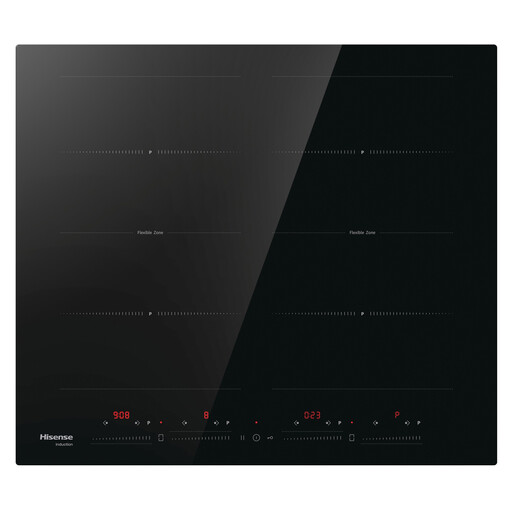
Consider this four-zone hob if your family meal calls for adaptable pan placement: its product name specifies a flexible bridge, touch controls and boost.
The listed cut-out is 744 × 494 mm. Compare it with your worktop, and check the installation and cookware guidance for this model.
 No image available
Consider this model if an adaptable cooking area would help you position the soup pot alongside other cookware. Its product name identifies the Area Flex feature.
Compare the installation dimensions and connection instructions with your kitchen, and check the zone guidance against your pans.
 No image available
This conventional four-zone model suits a round soup pot alongside other ordinary pans, provided their bases suit its zones. Bosch lists TouchControl and PowerBoost for the PIE631BB5E.
The product is listed as hard-wired. Check its cut-out and installation instructions, and arrange appropriate installation before use.
 No image available
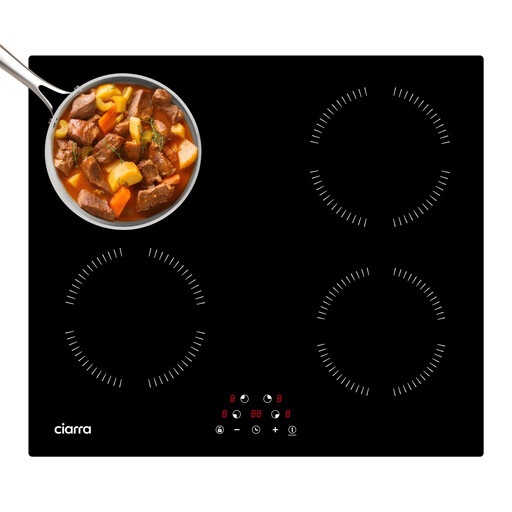
Consider its four-zone layout when the soup pot and accompanying pans each have a suitable cooking position.
Check the exact zone arrangement and cookware-size guidance, along with the electrical installation instructions, before choosing it for your kitchen.
 No image available
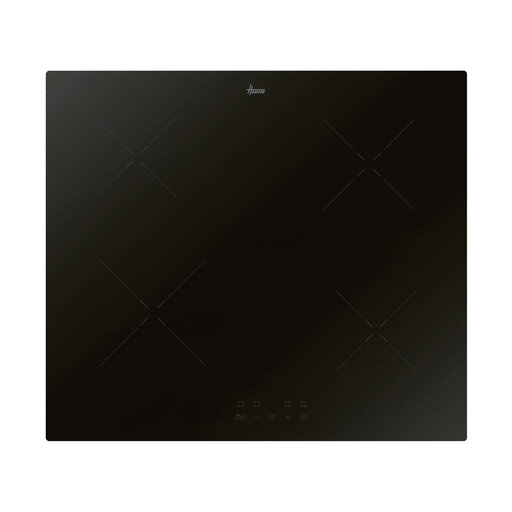
Its four-zone layout is an option when you cook soup with several ordinary pans rather than needing a flexible cooking area.
The product is listed as hard-wired. Compare its cut-out with your worktop and check that your cookware suits the individual zones before arranging installation.
It can work if it has a magnetic base and suits the selected hob’s cookware-size guidance. A magnet sticking firmly to the base is a useful initial check; also compare the flat base diameter with the intended zone.
Not if your round soup pot fits a standard zone and the other pans have enough room. A bridge or flex area becomes more relevant when you regularly use oversized or elongated cookware, or need more freedom to position pans.
No: the nominal width does not establish the required worktop cut-out or clearances. Measure the opening and compare it with the installation document for the exact model.
Check the model’s connection requirements and installation instructions against your kitchen before ordering. Electrical Safety First says domestic electrical installation work must comply with the applicable Building Regulations; seek appropriate installation advice for your location and the work involved.
Clear spillages promptly and clean the surface regularly, following the hob manufacturer’s instructions. Electrical Safety First warns that food debris and fat build-up can present a fire risk.