Repeat batch preservers
If you make several batches of lemon curd, you need heat adjustments that are easy to manage throughout a long stirring task.


For repeated lemon-curd batches, start with an induction hob whose heat controls you can adjust easily while stirring, then choose a zone layout that fits the pans you actually use. A conventional four-zone layout may suit one saucepan at a time; bridge or flex zones are worth considering for wider cookware, while sensor-assisted settings need checking against the exact pan and cooking method. Confirm cookware compatibility, worktop fit and electrical requirements before buying.
If you make several batches of lemon curd, you need heat adjustments that are easy to manage throughout a long stirring task.
If you use a wide preserving pan, a large saucepan or several pans, the cooking-zone layout needs to suit their bases and positions.
If you are replacing a built-in hob, check your pans, worktop opening and electrical installation before deciding which additional cooking-area features you want.
Decide how much pan space your batches need, then compare heat controls on the models that fit your kitchen. Sensor assistance is a separate consideration: NEFF describes a frying sensor and Miele describes simmer settings, but the exact mode and cookware conditions matter for lemon curd.
| Concern | What to check | Who this matters to |
|---|---|---|
| Gentle heat control | Try the controls if possible; check the available power adjustments and the conditions for any simmer or sensor mode. | When I am stirring one batch after another, I want to lower the heat promptly as the curd thickens. Around 36% of consumers put gentle heat control first. |
| Space for batch pans | Measure each pan base and compare it with the zone layout; check how any joined area is controlled. | A wide pan or several pans need positions that suit how I cook, rather than simply more rapid-heating power. For around 29% of consumers, pan space is the primary concern. |
| Installation fit | Compare the exact model's cut-out, clearances, electrical loading and connection requirements with your kitchen. | If I am replacing a built-in hob, I need to know it can be fitted to my worktop and electrical setup before choosing extra features. Installation fit comes first for around 21% of consumers. |
| Cookware and upkeep | Check that saucepan bases are magnetic and flat; keep the model number for service and parts enquiries. | I want to keep using a favourite saucepan and know how to arrange repairs later. Around 14% of consumers make cookware compatibility and upkeep their first priority. |
Fast heating does not tell you how easily you can adjust a hob during a stirred batch. Which? treats simmering as a distinct area of hob performance.
Look for controls you can adjust comfortably in small steps, and compare simmering performance where relevant testing is available.
Induction needs magnetic cookware. A non-magnetic pan cannot serve as your planned lemon-curd saucepan on an induction hob.
Check the induction marking or test the flat base with a magnet before ordering.
You may need a different saucepan if your existing one is not compatible.
A joined cooking area is useful only if its layout suits the cookware you use. The installation requirements of a bridge model also need checking separately.
Measure the pan base and existing worktop opening, then compare both with the exact hob's installation instructions.
A different cut-out or connection requirement could mean changes to the worktop or installation.
NEFF describes a frying sensor, while Miele describes frying and simmer settings. Those descriptions do not establish an unattended lemon-curd programme.
Check the selected model's supported mode and pan conditions, and continue to stir and monitor the mixture as your recipe requires.
Relevant if you are considering a built-in bridge-zone hob for larger or unusually shaped batch-cooking pans.
Relevant if you want to compare conventional layouts with combinable-zone and wider-hob options.
Relevant if flexible pan placement or temperature assistance is important to your cooking setup.
Relevant if you are weighing temperature-supported settings and flexible cooking areas against a simpler hob layout.
These 60 cm models include options for a conventional saucepan and options to consider if pan placement matters more. Compare each model's controls and cooking area with your pans, then check its installation instructions against your kitchen.
 No image available
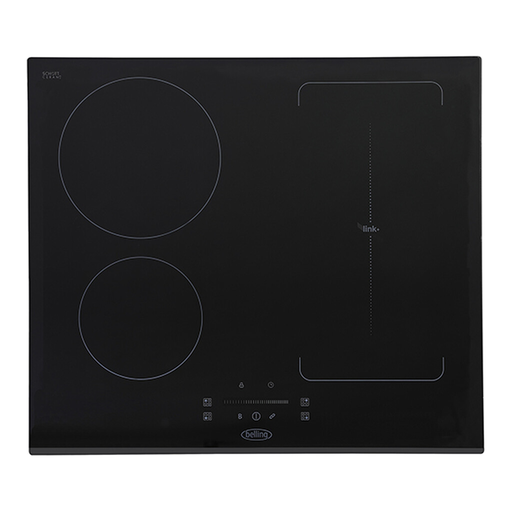
Consider this model if a wide batch pan makes a joined cooking area useful; compare the usable area with your pan base before choosing it.
Check the model's low-heat controls, worktop opening and electrical requirements for your kitchen.
 No image available
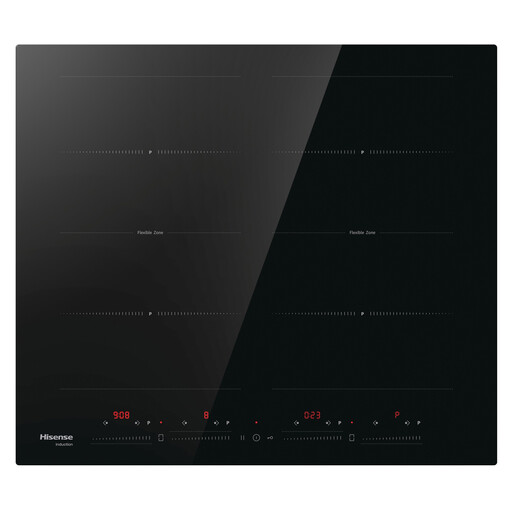
If you change pan positions between batches, compare the Area Flex layout with the bases and positions of your cookware.
Confirm how its controls behave at lower settings and check the cut-out and electrical connection before ordering.
 No image available
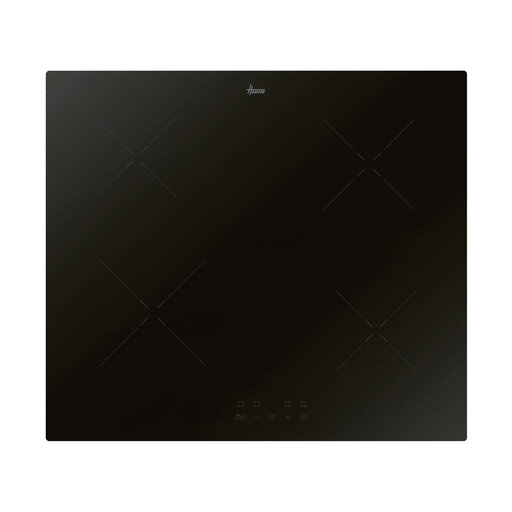
For one conventional saucepan at a time, compare the individual zone size with your pan base rather than assuming you need a joined area.
Check its heat adjustments and confirm the electrical load and connection requirements for your installation.
 No image available
Consider this for saucepan-based batches if its zone layout and heat controls suit the way you stir and adjust the curd.
The title specifies a hardwired connection; confirm the cut-out dimensions and electrical requirements with a qualified electrician.
 No image available
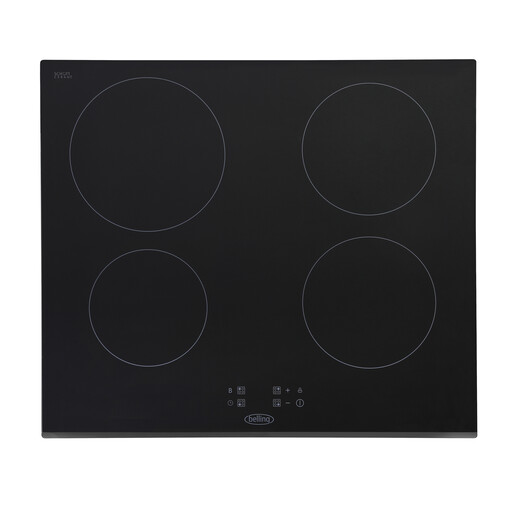
If you make one saucepan-sized batch at a time, check whether an individual cooking zone fits your pan and is easy to adjust while stirring.
Compare the model's installation dimensions and electrical requirements with your existing setup.
Only if your intended saucepan is not induction-compatible. Bosch notes that induction requires magnetic cookware; check the pan's induction marking or test its flat base with a magnet, then compare its size with the chosen zone.
Boost power is not a substitute for controllable heat while you stir lemon curd. Compare the hob's lower settings and how readily you can change them; Which? assesses simmering separately from other hob performance.
Do not rely on a sensor to make lemon curd unattended. NEFF describes a frying sensor and Miele describes simmer settings, but you should check the exact mode's pan and cooking conditions and continue stirring and monitoring the mixture as your recipe requires.
Have a qualified electrician assess the proposed hob's electrical requirements against your installation, particularly if hardwiring or circuit changes are involved. GOV.UK provides an Electrical Competent Person Register; ask the installer which requirements apply to the specific work and location.
Use the exact model number to check the manufacturer's parts, warranty and service terms. Bosch says relevant, storable spare parts for eligible large appliances manufactured after 1 January 2023 are generally available for up to 15 years; that statement does not establish the terms for another brand or model.