Small-kitchen solo cooks
If you usually heat one saucepan and need your worktop back afterwards, a portable single-zone hob is worth considering. IKEA positions its TILLREDA model for small kitchens or use as an extra cooking zone.


For a single saucepan of polenta, choose the hob format before focusing on maximum power: a portable model suits cooking that needs to be put away, while a fitted hob makes more sense as an everyday cooker. Whichever format you choose, check the controls for reducing heat after the boil and whether your saucepan’s magnetic base suits the cooking zone; polenta still needs frequent stirring as it simmers.
If you usually heat one saucepan and need your worktop back afterwards, a portable single-zone hob is worth considering. IKEA positions its TILLREDA model for small kitchens or use as an extra cooking zone.
If polenta is one part of your regular cooking, a fitted hob gives you room to use other pans at the same time. Check the controls you want alongside the fitting and electrical requirements of the exact model.
A boil-to-simmer feature may appeal if you want help with the liquid stage. AEG describes this function on its SenseBoil model, but Bob’s Red Mill’s polenta recipe still calls for frequent stirring during the gentle simmer.
Choose it when: One saucepan is usually enough and you want to put the hob away after cooking.
Trade-off: The single zone cannot heat a second pan alongside the polenta.
Choose it when: You want a permanent multi-zone cooker and the exact model’s plug-in installation suits your kitchen.
Trade-off: It still needs a suitable worktop opening and electrical setup; check how its available power is shared when several zones are used.
Choose it when: The hob will be your regular cooker and you want features such as individual timers or assisted boil-to-simmer control.
Trade-off: Electrical and cabinetry suitability need checking, and boil-to-simmer assistance will not stir thick polenta for you.
| Concern | What to check | Who this matters to |
|---|---|---|
| Gentle simmering | Check how directly you can lower the power after boiling and whether the exact model has a useful timer. A boil sensor is not a stirring function. | If I need to keep polenta at a gentle simmer, I want to adjust the heat while I stir rather than rely on boost power. Around 42% of consumers put simmer control first. |
| Space and number of pans | Decide whether one zone is enough or you regularly need another pan alongside polenta; check where a portable hob would be used and stored. | With little worktop space, I would rather put a one-pan cooker away than leave it out between meals. For around 33% of consumers, a compact format is the primary need. |
| Pan and kitchen fit | Compare your saucepan’s flat magnetic base with the model’s zone guidance. For a fitted hob, check the cut-out and electrical requirements. | If I want to keep using my small saucepan or fit a hob into an existing worktop, compatibility could decide the purchase. It comes first for around 25% of consumers. |
Boost can bring liquid to the boil, but the longer polenta stage calls for a gentle simmer and frequent stirring, as described in Bob’s Red Mill’s recipe.
Look for controls you can adjust readily, then reduce the heat after the boil and follow your recipe’s stirring instructions.
Induction requires a magnetic pan base. The base, rather than the wider upper rim, also needs to suit the chosen hob’s zone guidance.
Check the base with a magnet and compare its diameter with the exact model’s instructions.
If your existing saucepan is unsuitable, you may need different cookware.
A plug does not remove the need for a suitable worktop opening, clearance and connection arrangement. Hardwired models call for their own installation checks.
Measure the space, follow the exact installation instructions and ask a registered electrician about wiring or circuit capacity if you are unsure.
An unsuitable opening or electrical setup may require worktop changes or an electrical assessment.
IKEA’s TILLREDA instructions warn against using its hob with a cracked surface because of electric-shock risk.
Clean spills after the surface has cooled using the maker’s permitted method. Stop using a hob with cracked glass and follow its service instructions.
These examples illustrate different hob formats and features; the details apply to the named models, not every hob from each brand.
IKEA’s TILLREDA illustrates the portable, single-zone option for a small kitchen or an occasional extra cooking zone.
The PUG61RAA5B illustrates a permanent, four-zone hob that Bosch markets as Plug & Play.
The 7000 SenseBoil NII64B10AB illustrates a fitted hob for cooks interested in individual timers and assisted boil-to-simmer control.
These options cover portable cooking and fitted hobs of different sizes. For one-person polenta, start with the space and number of pans you need, then check saucepan fit, heat controls and installation requirements for the model you choose.
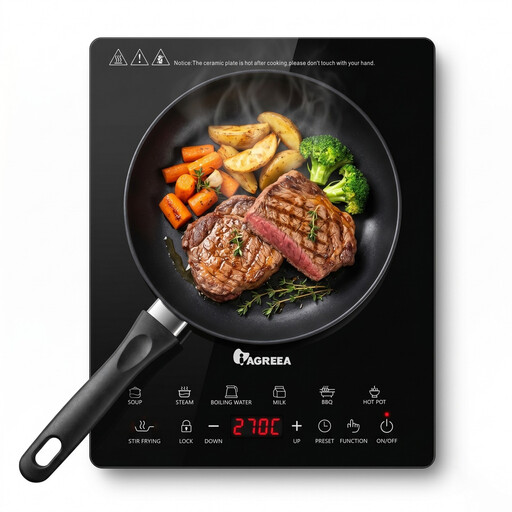 No image available
Consider this portable model if you want to put the hob away after cooking a single portion.
Its stated features include eight power levels, a timer of up to three hours and cookware guidance of 12–26 cm. Check the cooking-zone guidance against your saucepan’s magnetic base and confirm the supplied connection before ordering.
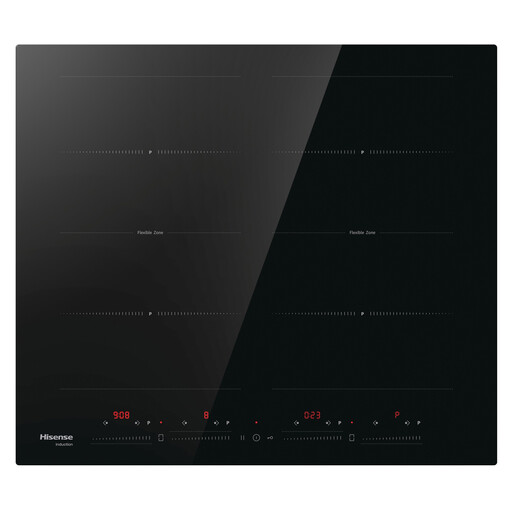 No image available
Consider a fitted hob like this if you want polenta cooking to be part of a permanent kitchen setup.
Check the zone guidance for your small saucepan, along with the cut-out, connection type and electrical requirements for your kitchen. An assisted cooking function, if used, does not replace stirring polenta.
 No image available
This portable format is relevant if you need to free up worktop space after cooking.
The title specifies touch controls and 10 power settings. If a timer matters to your polenta recipe, check the exact model’s controls; also confirm its zone guidance and connection arrangement.
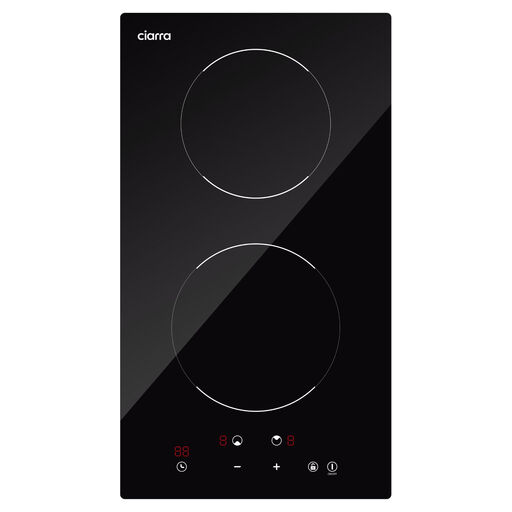 No image available
This built-in format may suit a compact permanent kitchen where you sometimes need a second pan alongside polenta.
The title specifies 2,900 W, nine power levels and a timer. Check the worktop cut-out, ventilation and electrical connection requirements before choosing it.
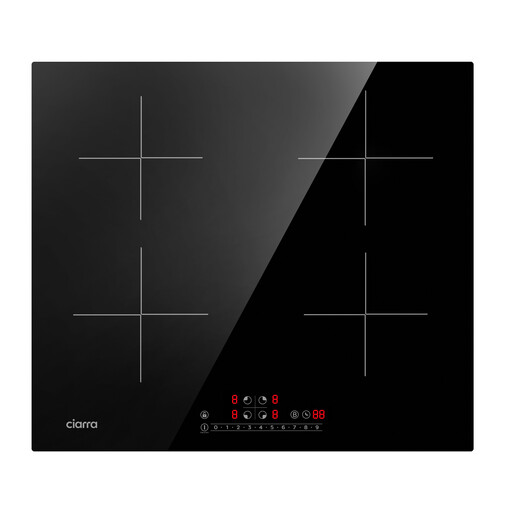 No image available
A four-zone hob is worth considering if you regularly cook another dish while the polenta simmers.
The title specifies touch controls and nine power levels. Check the cooking-zone guidance for your saucepan and confirm the worktop and electrical installation requirements; booster power does not remove the need to lower the heat and stir.
Yes: the saucepan needs an induction-compatible magnetic base. Bosch identifies cast iron, enamelled steel and suitable stainless steel as examples; check the flat base against the hob’s cooking-zone guidance rather than judging fit by the pan’s upper rim.
It can be enough if you use one saucepan and do not need to heat another component at the same time. If you regularly cook sauce, vegetables or other dishes alongside polenta, consider whether a multi-zone hob better fits that routine.
No boil-to-simmer feature should be treated as a substitute for stirring. AEG says SenseBoil detects rising bubbles and adjusts to a simmer, while Bob’s Red Mill’s polenta recipe calls for frequent stirring during the gentle simmer to help prevent sticking.
The work involved depends on the model and the existing kitchen setup. GOV.UK’s Approved Document P addresses electrical safety in dwellings in England, not a single rule for every UK nation or installation; for hardwiring or changes to a circuit, check the applicable local requirements and seek model-specific advice from a registered electrician, as recommended by Electrical Safety First.