Who each hob format suits
The useful number of zones depends on what happens while the curry simmers, not just on how many pans fit in the cupboard.
Small-kitchen one-pot curry cooks
If you usually make potato curry in one pan and occasionally cook rice or tempering in another, two usable zones may be enough. A portable format also lets you reclaim the worktop between meals; IKEA describes its two-zone TILLREDA as portable.
Multi-pan weeknight curry cooks
If curry, rice and a separate tempering or side dish often need attention at once, four cooking positions reduce the need to wait for a zone to become free. The cited four-zone models from AEG, Neff and Hotpoint illustrate this built-in format, but their installation requirements still need checking model by model.
Large-pan and batch cooks
If a wide kadai or casserole is central to your cooking, compare its base with the hob’s usable cooking areas rather than choosing by exterior width alone. IKEA describes a bridging function that joins two zones on supported models; check the placement instructions for the exact hob and pan.
What matters when choosing
Decide how many pans must cook together, then choose between a hob you can put away and one you can install permanently. Only after that should controls and larger-pan layouts decide between models of the same format.
Portable two-zone hob
Consider it when: You need to clear the worktop after cooking and normally use no more than a curry pan and one additional pan.
Trade-off: Two zones limit how many dishes can cook at once, and the exact model’s placement and electrical instructions still apply.
Built-in two-zone hob
Consider it when: You want a permanent cooking surface but usually prepare curry alongside just one other pan. IKEA’s LAGAN is an example of a plug-in, two-zone built-in model.
Trade-off: The hob still needs a suitable worktop cut-out and installation, without adding a third cooking position.
Built-in four-zone hob
Consider it when: Curry regularly simmers while rice and another component cook in separate pans. AEG and Neff document four-zone models approximately 59 cm wide.
Trade-off: Allow room for the specified cut-out and have the electrical supply assessed. AEG specifies a hardwired-only connection for its TO64IA00FB model; do not assume every four-zone hob has the same requirements.
| Concern |
What to check |
Who this matters to |
| Space and pan capacity |
Count the pans you use simultaneously, then compare zone count, hob width and the required worktop cut-out. |
I want room for curry and perhaps rice without giving over more of my small worktop than necessary. Around 31% of consumers would put workable cooking space first. |
| Boiling and simmering controls |
Compare adjustable power levels and timers; if boost matters, check which zones offer it and whether the model shares power between zones. |
When I move from frying aromatics to simmering curry, I want heat adjustments I can manage while preparing the rest of the meal. Roughly 31% of consumers would prioritise cooking controls and boiling speed. |
| Installation and electrical fit |
Match the installation diagram to the worktop and cabinet, and have the specified connection type and load checked against the available supply. |
A hob is no use to me if it will not fit the existing opening or connect safely to the available supply. About 23% of consumers would make installation feasibility their main concern. |
| Cookware and large-pan fit |
Check for a magnetic pan base and compare its size and shape with the model’s zone or bridge-layout instructions. |
I want to keep using my wide curry pan, so its base needs to work with the cooking area I choose. Around 15% of consumers would put cookware fit first. |
Induction-hob brands to consider
These brands illustrate different documented hob formats and features. Compare the named model’s installation and zone details rather than assuming a characteristic applies across its range.
IKEA
IKEA UK offers both a plug-in, two-zone built-in LAGAN and a portable, two-zone TILLREDA, giving small-kitchen cooks a choice between permanent installation and a hob that can be put away.
- IKEA specifies a 13 A, 2,800 W connection for the cited LAGAN model.
- Both cited models have two zones, so curry, rice and a third pan would need to be cooked in sequence.
AEG
The AEG UK TO64IA00FB is an example of a 60 cm-class built-in hob with four cooking zones for meals using several pans.
- AEG gives its width as 590 mm and its built-in cut-out as 560 × 490 mm, providing distinct measurements to check against a worktop.
- This model is specified as hardwired-only with a 7,350 W connection rating; electrical suitability needs assessing before purchase.
Neff
Neff GB’s T36FBE1L0 illustrates a four-zone built-in option with touch controls and a timer.
- Neff specifies a 592 × 522 mm exterior footprint for the cited model.
- If a wide pan needs a bridge or flexible cooking area, check a model that explicitly provides that layout rather than assuming it from the brand.
Hotpoint
Hotpoint’s TS 5760F NE is a four-zone, 60 cm-class option for cooks interested in guided cooking settings.
- Hotpoint describes boiling, melting, keep-warm and slow-cooking functions for this model; compare the controls with the stages you actually use.
- Confirm its exact zone layout, cut-out and electrical requirements before choosing it for a particular worktop or large pan.
Bosch
Bosch’s PIB375FB1E illustrates a narrow, two-zone domino format that may prompt a useful worktop-width comparison.
- Bosch specifies a 306 × 527 mm footprint for the cited model.
- Bosch identifies the PIB375FB1E as no longer available. Use its dimensions as a format reference, not as a current purchase option.
Joybuy hobs for this cooking setup
These built-in induction hobs cover a narrow two-zone option and wider four-zone options for cooking potato curry alongside other dishes. Choose by the number of pans you need at once, then check the exact installation requirements; the product choices here do not represent the portable route.
 No image available
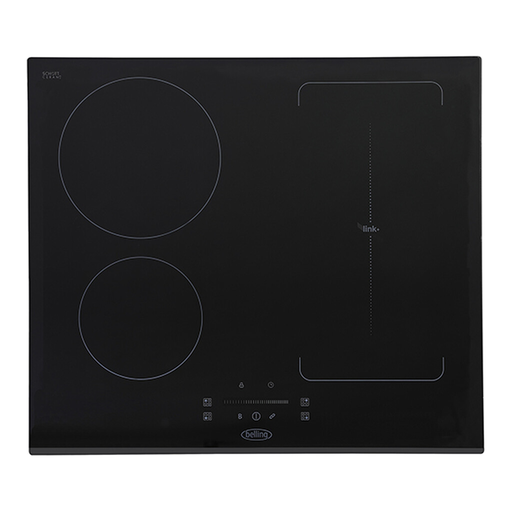
Belling ComfortCook IHL603 60 cm induction hob, black
Consider this built-in format if a permanent cooking surface suits your kitchen and you want to compare options for using several pans. Confirm the connection method, electrical supply and worktop fit against the IHL603 installation instructions before ordering.
View on Joybuy
 No image available
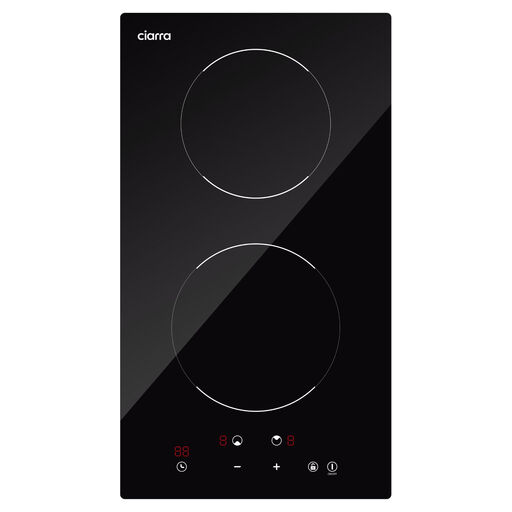
CIARRA CBBIH292T 29 cm built-in two-zone induction hob
The narrow, two-zone format suits a curry pan and one additional pan when worktop width is limited. Its product name specifies 2,900 W, nine power levels, touch control, a timer and a child lock. Check the required cut-out and connection instructions; two zones will not accommodate a third pan at the same time.
View on Joybuy
 No image available
Bosch PIE631BB5E Series 4 60 cm induction hob, black glass
Consider this built-in format if you need more cooking positions than a compact two-zone hob offers. Its product name specifies a hardwired connection. Have the electrical supply assessed and compare the exact built-in cut-out with your worktop before purchase.
View on Joybuy
 No image available
Hoover HI642BCB 60 cm four-zone induction hob, black glass
Four zones offer separate positions when curry, rice and another component need to cook together. Check the electrical requirements for this built-in model with an installer. If you use a wide kadai, confirm the zone layout and permitted pan placement before choosing it.
View on Joybuy
 No image available
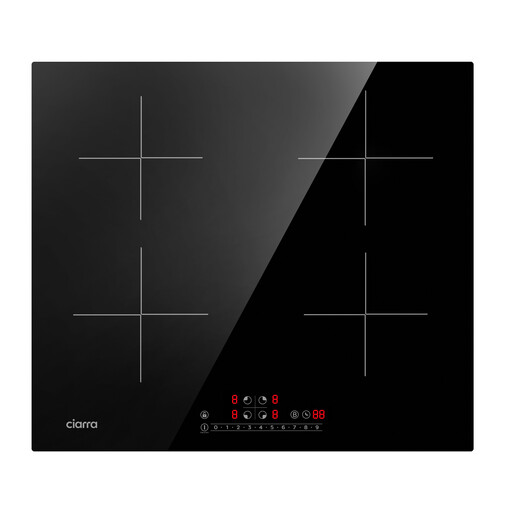
Ciarra four-zone built-in induction hob, black ceramic glass
The four-zone format is worth considering if you regularly cook curry with rice or another dish. Its product name specifies touch control, nine power levels and a booster function. Confirm the electrical connection and check the zone layout against any unusually large pans you plan to use.
View on Joybuy
Questions about choosing and using a hob
Will my curry pan work on an induction hob?
It needs a magnetic base that suits the hob’s cookware guidance. Check the pan’s induction marking or test its base with a magnet, then compare the base size and shape with the proposed zone layout—particularly for a wide kadai or casserole.
Is a two-zone induction hob enough for potato curry?
It can be enough if you normally cook curry in one pan and use no more than one other pan at the same time. If curry, rice and a tempering or side dish regularly need separate pans simultaneously, compare four-zone models instead.
Can I plug any induction hob into a normal socket?
No: connection requirements depend on the exact model. IKEA specifies its two-zone LAGAN at 13 A and 2,800 W, while AEG specifies its four-zone TO64IA00FB as hardwired-only at 7,350 W. Check the appliance instructions and have the proposed connection assessed before purchase.
Which electrical rules should I check before fitting a hob?
Check the requirements that apply where the installation will take place, as well as the hob’s own instructions. GOV.UK’s Approved Document P addresses electrical safety in dwellings in England; for work in Scotland, Wales or Northern Ireland, check the applicable local requirements before arranging installation.
How should I clean an induction hob after curry splashes?
Follow the cleaning instructions for the exact hob and let the surface cool before cleaning it. For the cited IKEA glass hob, the guidance calls for a damp cloth, warm water and mild detergent followed by drying with a soft cloth; avoid abrasive powder, steel wool and sharp tools on that surface.


