One-pot small-kitchen cooks
If soup or sauce usually occupies your only pan, a portable single-zone hob lets you put the appliance away afterwards. You still need compatible cookware and a flat, stable, heat-resistant place to cook.


For tomato soup and other one-pot meals, a portable single-zone induction hob makes sense if you need to reclaim the worktop after cooking and have a suitable place to use it. A built-in hob gives you more zones but needs a worktop, ventilation arrangement and electrical connection that suit the exact model; bridge or flex zones matter more if you also use larger cookware or cook several dishes. Whichever route you choose, check that your saucepan has a flat, magnetic base.
If soup or sauce usually occupies your only pan, a portable single-zone hob lets you put the appliance away afterwards. You still need compatible cookware and a flat, stable, heat-resistant place to cook.
If you want a permanent replacement, start with the existing worktop opening, the space beneath it, ventilation and the electrical connection. A nominal width alone will not establish whether a model fits.
If soup often cooks alongside another dish, or you regularly use wider cookware, a multi-zone built-in hob may justify the space it permanently occupies. Check the particular zone layout as well as the installation requirements.
Choose it when: One soup pot is your usual task and you want to store the hob after cooking.
Trade-off: You can use one pan at a time and must provide a suitable surface with clear ventilation.
Choose it when: You want a permanent cooking surface with separate zones and the kitchen can accommodate the exact model.
Trade-off: It occupies worktop space permanently, and the cut-out and connection must be checked before ordering.
Choose it when: You regularly cook alongside the soup or use cookware that benefits from a larger cooking area.
Trade-off: Flexible zones offer little reason on their own to change a routine that uses just one ordinary saucepan.
| Concern | What to check | Who this matters to |
|---|---|---|
| Space and installation | For a built-in hob, compare its installation drawing with your cut-out, cabinet space, ventilation and electrical connection. Bosch says measurements and installation methods vary by model. | If a new hob must fit my existing worktop, I need to settle that before considering extra cooking features. Around 40% of consumers put fit and connection first. |
| Soup-pan compatibility and heat control | Test the saucepan’s flat base with a magnet, then check the chosen hob’s permitted pan sizes and lower heat settings. | When I make soup regularly, I want to keep using a suitable pan and adjust the heat as it cooks. Around 30% of consumers make cookware and heat control their primary concern. |
| Store-away convenience | Check the portable hob’s stored size and choose a flat, stable, heat-resistant position where its vents remain clear. | Once the soup is made, I need the counter back rather than a permanent cooking surface. Roughly 20% of consumers prioritise a hob they can put away. |
| More pans or larger cookware | Consider how often you need simultaneous zones or a wider cooking area; compare the actual bridge or flex layout with your cookware. | If soup is only part of the meal, I need room for another pan or a larger vessel. About 10% of consumers put that flexibility first. |
Conventional induction needs suitable magnetic cookware. A saucepan with a non-magnetic base may not heat, even if it otherwise looks suitable for a hob.
Hold a magnet against the flat base of your soup pan and check the selected hob’s accepted pan-base sizes.
If your existing pan is incompatible, you will need access to an induction-compatible saucepan.
AEG specifies a 590 × 520 mm surface and a 560 × 490 mm built-in opening for its TO64IB00FB; that model also requires hardwiring. Those dimensions and connection do not apply to every 60 cm hob.
Measure the existing opening and cabinet space, then compare the exact installation drawing, ventilation instructions and connection requirements before ordering.
A mismatch can mean altering the worktop or changing the installation arrangement.
Bridge and flex layouts address larger cookware or different pan arrangements. They may add little to a routine that uses a single saucepan.
Think about how often you actually cook another dish at the same time before making the zone layout a deciding factor.
A portable hob still needs a safe position. The cited portable product’s instructions call for a flat, stable, heat-resistant surface and unobstructed ventilation.
Choose its cooking position before buying, keep its vents clear and follow the exact model’s placement and cleaning instructions.
Bosch’s UK range includes built-in induction hobs in several widths, as well as venting-hob options.
The AEG 6000 Bridge TO64IB00FB is a built-in option to examine if you use larger cookware or cook more than one dish.
The Neff T56TT60N0 is relevant when flexible cookware placement is more important than a simple one-pot setup.
These choices include a store-away, single-zone hob for one-pot cooking and built-in models for kitchens where a permanent multi-zone installation is suitable. Check your saucepan and, for built-in models, the installation requirements before choosing between them.
 No image available
A store-away option when tomato soup is usually a one-pan meal and permanent worktop space is limited.
Joybuy lists 10 heat settings for this portable model. Use magnetic cookware, keep its ventilation openings clear and check the plug, rated voltage and accepted pan sizes for the exact appliance.
 No image available
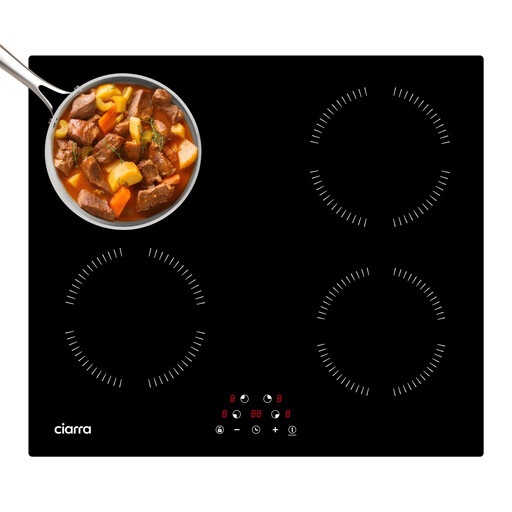
Consider this fixed hob if you want separate cooking zones and can accommodate a built-in installation.
Check its stated 560 × 490 mm cut-out against your worktop and confirm cabinet ventilation. The listing calls for a 32 A rated fuse and professional installation; confirm the precise electrical connection before ordering.
 No image available
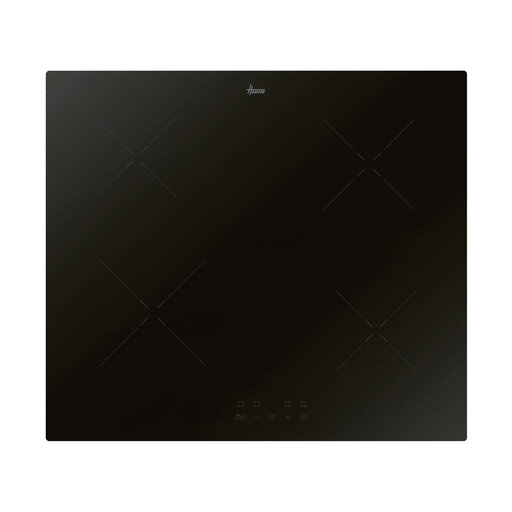
This built-in model is for a kitchen where soup may cook alongside other dishes and a permanent hob is practical.
Compare the worktop opening with the model’s installation drawing and check ventilation. Its listing specifies hardwired connection, so confirm the electrical arrangement and installation needs before buying.
 No image available
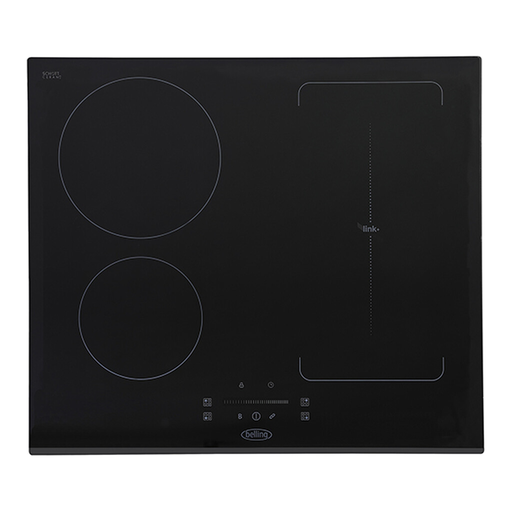
Consider its Link+ cooking-area arrangement if you sometimes use larger cookware as well as making soup.
The stated built-in opening is 560 × 490 mm. Check that opening, the ventilation instructions and the electrical connection against your kitchen before choosing this fixed hob.
 No image available
A permanent four-zone choice when you need more than the single pan accommodated by a portable hob.
The listing specifies a 7.4 kW connected load and hardwired professional installation. Check the exact cut-out, ventilation instructions and your electrical setup; surface width alone cannot establish fit.
It should work on a conventional induction hob if its flat base attracts a magnet and its base size suits that hob. Bosch and the US Department of Energy both identify magnetic cookware as necessary; test your actual pan and check the chosen model’s pan-size guidance.
Yes, if you usually cook one pot at a time and can put the hob away afterwards. You also need an induction-compatible pan and a flat, stable, heat-resistant cooking position with clear ventilation, as specified in the cited portable product’s instructions.
No: a 60 cm label does not establish that the new hob fits your opening or electrical setup. Bosch says installation measurements and methods vary by model; compare the new hob’s cut-out, cabinet clearances, ventilation and connection instructions with your kitchen before ordering.
Follow the exact hob’s cleaning instructions once its surface is safe to handle. The cited portable product describes wiping normal splashes from its glass panel with a damp cloth and instructs users to unplug it before cleaning; do not apply those instructions unchanged to a different built-in model.