What matters when choosing a hob?
Induction and radiant ceramic describe how the hob heats; integrated extraction is a separate layout choice that can accompany either approach. For vegetable stock, settle the cookware question, then assess pot fit, heat controls and installation against the exact model.
| Concern |
What to check |
Who this matters to |
| Boiling and simmer control |
For induction, test the pot’s magnetic, flat base; compare the exact model’s low settings and controls rather than assuming a Boost feature also means fine simmer control. |
When I make stock regularly, I want to turn the heat down after boiling without keeping the liquid at a vigorous boil. Around 42% of consumers put responsive heat control first. |
| Stockpot and pan space |
Measure the pot base against the zone diagram and check room for another pan; look for a suitable flex or bridge arrangement only on models that specify one. |
If I prepare another dish while the stock simmers, the large pot must not leave me without a usable second zone. Around 33% of consumers make pot fit and multi-pan space their main concern. |
| Keeping existing cookware |
Check whether a magnet adheres to the flat pot base before choosing induction; compare the selected ceramic hob’s cookware guidance if the pot is unsuitable. |
I would rather keep a stockpot I already use than replace it to suit a new hob. Roughly 17% of consumers prioritise retaining their cookware. |
| Extraction and kitchen fit |
For an extractor hob, check its installation drawing for the worktop opening, space beneath it and the specified ducting or recirculation arrangement. |
Where an overhead hood does not suit my kitchen, I need to know whether extraction can fit into the hob installation. About 8% of consumers put integrated extraction and layout first. |
Joybuy hobs and ceramic cookers
These choices cover built-in induction and ceramic hobs, plus freestanding cookers with ceramic hobs. A cooker is relevant if you are replacing the whole appliance rather than only the hob; for any option, check stockpot fit and low-heat controls on the exact model.
 No image available
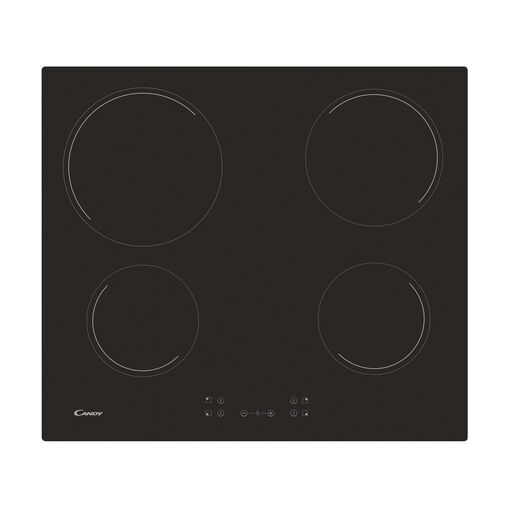
CANDY CH64CCB 59 cm Ceramic Hob, Black
Consider this ceramic option if keeping a pot unsuitable for induction is a priority. Check the cooking-zone dimensions, low-heat controls and installation requirements against your stockpot and kitchen.
View on Joybuy
 No image available
Belling IHL773 BLK 77 cm Induction Hob
For an induction-compatible stockpot, its named flexible bridge is worth examining if pot placement matters. The four-zone version lists touch controls and a Boost mode; check the bridge dimensions and low-setting guidance for your pot.
View on Joybuy
 No image available
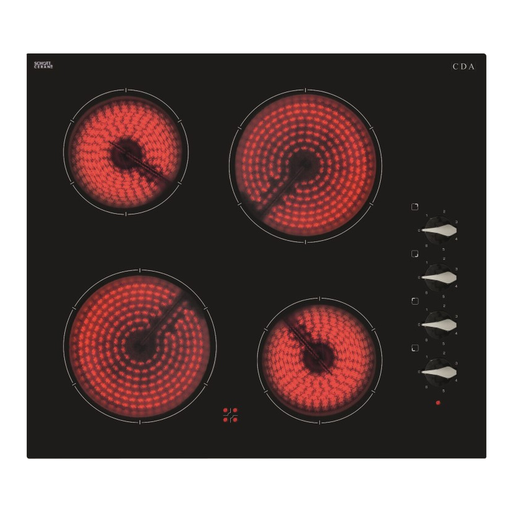
CDA HC6212FR 60 cm Four-Zone Ceramic Hob
This frameless ceramic model is a choice to assess if you want to keep cookware that does not suit induction. Its four zones do not establish which will fit your stockpot, so compare the zone diagram and low-setting guidance before buying.
View on Joybuy
 No image available
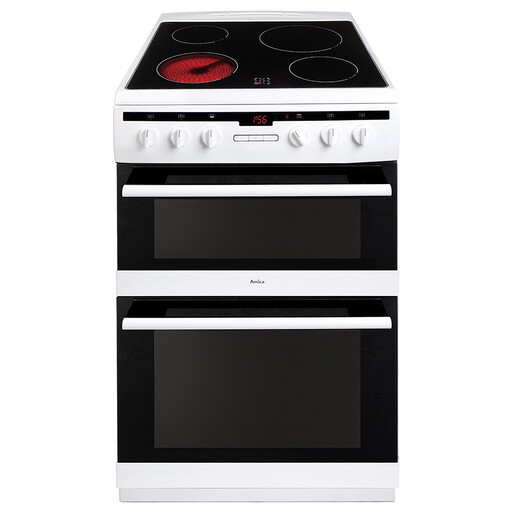
Amica AFC6550WH 60 cm Ceramic Cooker, Black
Consider a ceramic cooker rather than a standalone hob if you need to replace the whole appliance. Check zone fit and simmer controls; delivery is stated as limited to BN and TN postcodes, so confirm eligibility for your address.
View on Joybuy
 No image available
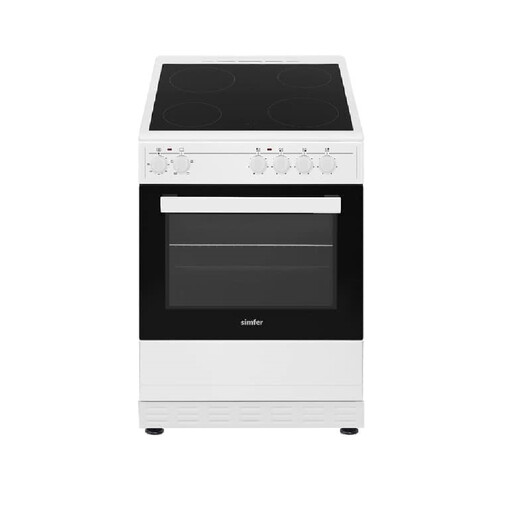
Simfer SIM61CW 60 cm Single-Cavity Ceramic Cooker, White
This cooker is relevant to a full-appliance replacement when you want a ceramic cooking surface. Check that its cooking zones fit your stockpot and that the appliance dimensions and installation requirements suit the available space.
View on Joybuy
Questions about stockpot cooking
Will my existing stockpot work on an induction hob?
It needs an induction-compatible base. AEG UK Support advises using iron or iron-based cookware with a flat base; check whether a kitchen magnet adheres to the bottom of your stockpot before choosing induction.
Should I choose induction or radiant ceramic for vegetable stock?
Consider induction if your stockpot is compatible and you value direct cookware heating when adjusting from a boil to a simmer; consider radiant ceramic if retaining cookware unsuitable for induction is the stronger priority. Which? explains that ceramic elements heat beneath the glass, whereas induction generates heat in the pan. Check the selected hob’s zone fit and low-heat controls either way.
Does a residual-heat indicator mean the stockpot is cool?
No. A residual-heat indication concerns the cooking zone, not the temperature of the pot. Electrolux UK Support says an H display indicates residual heat on relevant hobs; allow the stockpot to cool separately before handling it.
Can an extractor hob take the place of a separate hood?
Some are designed to combine hob cooking and downdraft extraction without a separate hood. Bosch says its venting designs are deeper than non-venting hobs and require additional space below the worktop, so check the exact installation drawing and extraction arrangement before choosing one.
What should I check before ordering a built-in hob?
Compare the exact model’s installation drawing with your worktop opening, available space and electrical setup. For an extractor hob, also check its specified ventilation arrangement; have the proposed installation assessed against the requirements applicable to your property.


