Choose induction if you want to heat the pan directly and your saucepans have suitable magnetic bases; check the exact hob’s connection requirements before ordering. Choose ceramic if keeping pans that are unsuitable for induction matters more. For either type, look closely at lower-setting controls, room for the other pans in your meal and residual-heat warnings.
Who is this for?
Sauce-first family cooks
If you make cheese or other milk-based sauces while managing the rest of a meal, easy-to-adjust lower settings and independently controlled zones deserve attention. A timer can help you keep track of another task, but you still need to stir and watch the sauce.
Families keeping their existing pans
Check your regular saucepans before choosing induction. NEFF advises that induction cookware needs a base attracted by a magnet and sized appropriately for the zone; ceramic is the route to consider if those pans are unsuitable.
Cooks using several or larger pans
Consider how many separate zones you use during a family meal. If a long or large pan is a regular part of it, a model-specific bridge or expandable zone may also be worth checking.
What matters when choosing?
Start with the pans you want to keep and the connection your kitchen can accommodate. Then compare low-setting control and usable cooking space for a sauce made alongside other dishes.
| Concern |
What to check |
Who this matters to |
| Gentle sauce heating |
Compare how each zone’s lower settings are selected and whether the model has a timer. |
If I am stirring cheese sauce while finishing other dishes, I want to adjust its heat without losing track of the pan. Around 42% of consumers put manageable sauce heating first. |
| Pan and installation fit |
For induction, check the saucepan’s magnetic, flat base against the zone size. Confirm the exact hob’s connection type and worktop cut-out. |
Keeping familiar saucepans and fitting a replacement into the kitchen may determine which hob I can choose; roughly 33% of consumers put that compatibility first. |
| Space for the meal |
Count the zones you will use together; consider a bridge or expandable zone if you regularly use larger cookware. |
When several parts of dinner need pans at once, I need a layout that accommodates them without crowding the sauce. About 25% of consumers make cooking space their primary concern. |
Buying pitfalls
-
Assuming every saucepan works on induction
An induction hob needs suitable cookware; a pan without a magnetic base may not heat.
Test your usual saucepan with a magnet and compare its flat base with the intended zone. If you want to keep incompatible pans, consider ceramic instead.
Changing to induction may also mean replacing saucepans you intended to keep.
-
Choosing a hob before checking the connection
Connection requirements vary by model. Bosch lists the PUG61RAA5B as Plug & Play, while AEG specifies a hardwired connection and a 7,200 W total loading for the OIO64B00IB.
Check the appliance instructions, household electrical setup, dimensions and worktop cut-out before ordering. Arrange a suitably qualified installer for work that requires one.
A change of connection or cut-out can involve electrical work or alterations to the worktop.
-
Putting boost ahead of lower-setting control
Boost serves rapid heating, whereas a cheese sauce needs attention as you stir and adjust the heat. Hotpoint’s cooking guidance places gently heated sauces at lower settings; the appropriate setting still depends on the pan and recipe.
Compare how clearly you can select and change a lower setting. Treat boost as a separate feature for tasks such as bringing water to the boil.
-
Ignoring heat left in the glass
Ceramic glass can remain hot after switching off, and an induction surface can be warmed by the pan.
Look for residual-heat indication and keep hands, children and heat-sensitive items clear until the zone has cooled.
Brands to consider
These examples show how features and connection requirements differ between specific hob models, rather than describing every product from each brand.
Bosch
Consider the Bosch PUG61RAA5B if a specified Plug & Play induction model fits your kitchen plans.
- Bosch GB lists four induction zones, touch controls, PowerBoost, QuickStart and ChildLock for this model.
- Induction requires suitable cookware; check the model instructions and your electrical setup before choosing it.
AEG
The AEG OIO64B00IB is relevant if a larger or longer pan is a regular part of your family cooking.
- AEG UK specifies four induction zones and a Bridge function that joins two zones into a larger cooking area.
- This model is hardwired only, with a stated total electrical loading of 7,200 W; confirm installation suitability.
Hotpoint
The Hotpoint HR 612 C H is a ceramic option to examine if keeping cookware unsuitable for induction matters to you.
- Hotpoint UK lists four zones, nine power levels, a timer, a double-ring zone and residual-heat indicators for this model.
- The ceramic surface can remain hot after cooking; treat the residual-heat indicator as a warning.
Joybuy hob choices
These induction and ceramic hobs offer different starting points for cooking sauce alongside a family meal. Check each model’s controls, cookware requirements and installation instructions against your own pans and kitchen before deciding.
 No image available
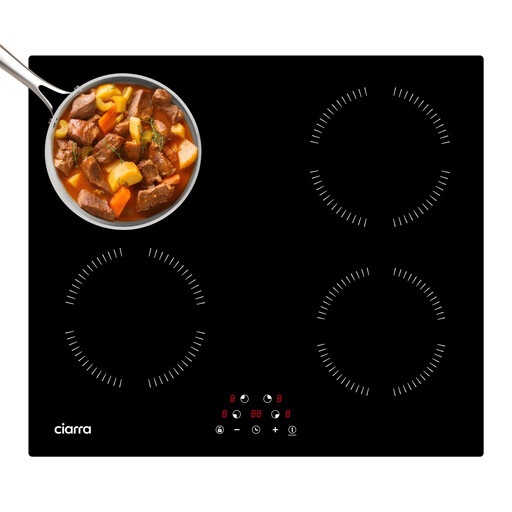
Ciarra built-in 60 cm four-zone induction hob
Consider this four-zone layout if you make sauce while using other pans. Check that your saucepans suit induction and that the connection and cut-out suit your kitchen.
View on Joybuy
 No image available
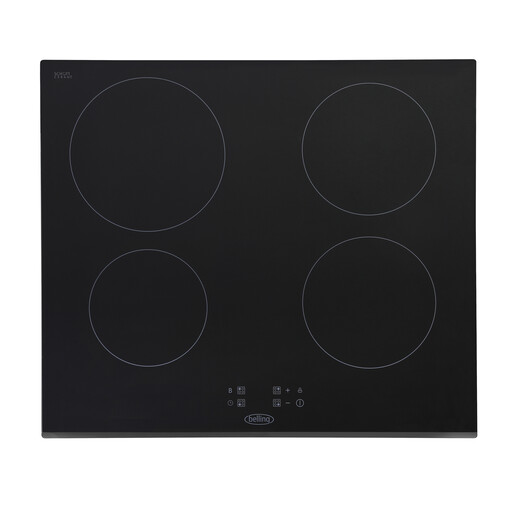
Belling ComfortCook IHT603 60 cm induction hob, black
This is an induction option to compare for cooking sauce alongside other dishes. Check the suitable pan sizes against your saucepans, then confirm the electrical requirements and cut-out before ordering.
View on Joybuy
 No image available
Bosch PIE631BB5E Series 4 60 cm hardwired induction hob
Consider this model if a hardwired induction hob fits your kitchen plans. Check cookware compatibility, the household electrical setup and worktop fit; do not treat its connection as interchangeable with a Plug & Play model.
View on Joybuy
 No image available
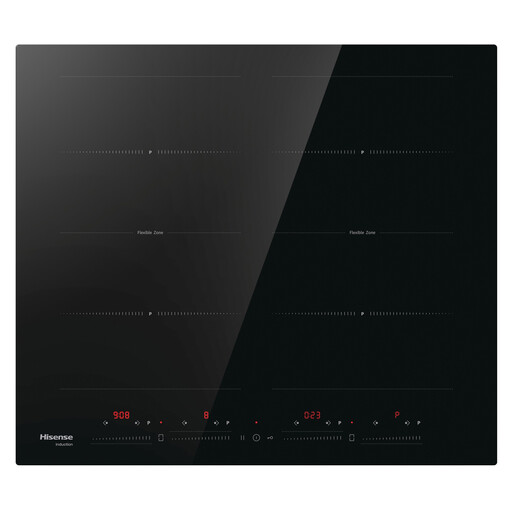
Hisense HI6442BSCE 60 cm induction hob with Area Flex
Area Flex makes this a model to examine if you regularly use larger cookware as well as a sauce pan. Confirm the zone and pan requirements, connection method and cut-out in the exact installation instructions.
View on Joybuy
 No image available
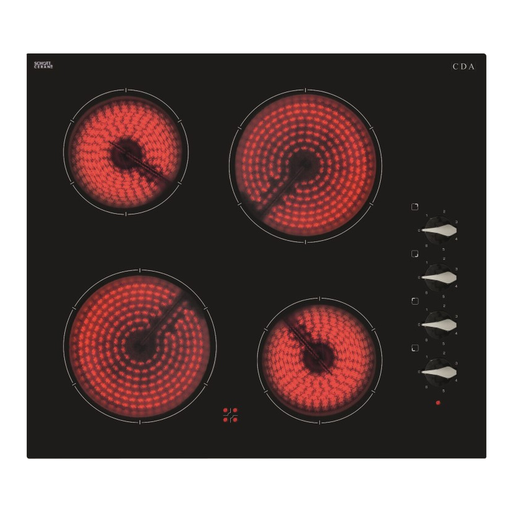
CDA HC6212FR 60 cm four-zone frameless ceramic hob
This ceramic four-zone model is worth considering if you want to keep pans unsuitable for induction while cooking several dishes. Check its lower-setting controls and whether it has a timer in the exact model instructions. Heed residual-heat warnings and confirm installation fit.
View on Joybuy
Frequently asked questions
Should I choose induction or ceramic for cheese sauce?
Choose induction if you want direct heating of a suitable pan base and your saucepans work with it; choose ceramic if keeping pans unsuitable for induction is the deciding factor. With either type, compare how you select lower settings and whether the zone layout leaves room for the rest of the meal.
Will my existing saucepans work on induction?
They will need suitable flat, ferromagnetic bases matched to the cooking zones. NEFF advises checking whether a magnet is attracted to the base; compare the pan size with the particular hob’s zone requirements too.
Do I need an electrician to install an electric hob?
Check the exact model’s connection instructions and the work your kitchen requires before arranging installation. Bosch identifies the PUG61RAA5B as Plug & Play, whereas AEG specifies hardwiring for the OIO64B00IB. GOV.UK’s Approved Document P addresses electrical safety in dwellings in England; Electrical Safety First recommends using a registered electrician for installation or repair work. Check the rules applicable where you live elsewhere in the UK.
Which safety features matter around a busy family meal?
Look for residual-heat indication and a child or control lock on the exact model; check for automatic switch-off if you want that feature. A residual-heat warning matters on ceramic glass after switching off, and an induction surface can also retain heat transferred from a pan.


