Family-meal multitaskers
You make gravy while potatoes, vegetables or the main dish occupy other zones. The question is whether your pans can all sit and cook where you need them.


For onion gravy alongside a family meal, start with a four-zone induction hob whose controls you can adjust readily as the onions soften. Consider bridge or flex zones if you regularly use a large or long pan, but check your saucepan, worktop opening and electrical connection before choosing a model. Boost power alone does not tell you how a hob will handle gentle cooking.
You make gravy while potatoes, vegetables or the main dish occupy other zones. The question is whether your pans can all sit and cook where you need them.
You want to adjust the heat while onions soften and gravy is held warm, rather than choosing a hob solely for its rapid-heating function.
You need to know whether your existing pans have magnetic bases and whether the chosen built-in hob fits the worktop opening and electrical installation.
Choose the zone layout around the pans you use together, then examine the controls and installation requirements of the exact model. A flexible zone is useful for particular cookware, not a substitute for checking how the gravy saucepan fits and how you will adjust its heat.
Consider it: When the gravy saucepan and your other family-meal pans each fit an ordinary zone.
Trade-off: A fixed zone layout may be less accommodating for a particularly large or long pan.
Consider it: When you regularly cook with a long casserole or large pan; AEG describes a Bridge function that links two zones on its OIO64B00IB.
Trade-off: Combining zones offers little benefit if your usual gravy and meal pans already fit separate zones.
Consider it: When pan sizes and positions vary between meals; NEFF describes cookware detection across its Flex Induction area.
Trade-off: Flexible placement does not establish how an exact model will cook gravy at a low setting.
| Concern | What to check | Who this matters to |
|---|---|---|
| Gentle heat for onions and gravy | Try to assess how readily you can change a zone’s setting; consult the exact model’s manual for low-heat guidance. | If I soften onions gradually, I need to turn the heat down without relying on boost power. Around 38% of consumers put controlled low-heat cooking first. |
| Space for several pans | Count the pans used at the busiest point of the meal; compare the zone layout and any bridge or flex function with their sizes. | With gravy cooking beside the rest of dinner, I need places for the other pans too. For around 31% of consumers, simultaneous pan capacity is the primary concern. |
| Cookware and installation fit | Check pan bases with a magnet, measure the worktop opening and read the model’s connection requirements. | Before replacing a built-in hob, I need my saucepan, worktop and electrical setup to suit the one I choose. Compatibility is the main concern for around 31% of consumers. |
Boost is for rapid heating; it does not establish how readily you can manage the lower heat used while softening onions or holding gravy.
Look at the controls you will use during ordinary cooking and consult the chosen model’s manual for low-setting guidance.
Electrolux UK Support says induction cookware needs a magnetic base. A favourite gravy saucepan may therefore affect your hob choice.
Check frequently used pans with a magnet, paying particular attention to the base of the gravy saucepan.
If those pans are unsuitable, replacement cookware may be needed.
The worktop opening and electrical connection must suit the exact built-in model. AEG lists a 560 × 490 mm cut-out and a hardwired-only connection for its OIO64B00IB; other models can differ.
Compare your opening with the manufacturer’s installation sheet, including its clearance and connection requirements, before ordering.
A mismatched opening may require worktop alteration or a change to the installation plan.
Bridge and flex arrangements address pan-placement needs, particularly larger or unusually shaped cookware. They are not automatically useful for an ordinary gravy saucepan.
Lay out the pans you use together for a family meal, then decide whether fixed zones give each one a suitable place.
A reference point for a conventional four-zone built-in layout with direct controls.
Relevant when a large or long pan makes a bridge function worth considering.
A reference point for flexible pan placement and model-dependent sensor controls.
These built-in induction hobs include standard layouts and models with flexible cooking areas. Compare each one with your usual pan arrangement, then check its manual and installation requirements for the cooking and kitchen setup you have in mind.
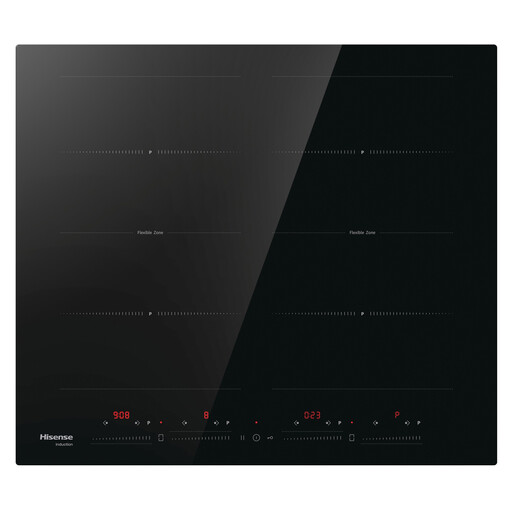 No image available
Consider the Area Flex model if your family meals sometimes call for a larger pan alongside the gravy saucepan. Check its zone arrangement against your cookware, and consult the manual and installation specification for low-heat guidance, cut-out dimensions and connection requirements.
 No image available
The flexible bridge is relevant if a large or long pan features in your family meals. This model’s title specifies four zones, touch controls and boost; check the worktop opening, electrical connection and manual guidance for gentler settings before choosing it for gravy.
 No image available
A four-zone layout is worth considering when the gravy saucepan and several ordinary meal pans need separate places. Bosch specifies TouchSelect and PowerBoost for the PIE631BB5E; use the model’s manual to assess low-heat cooking, and confirm the worktop cut-out and hardwired installation requirements.
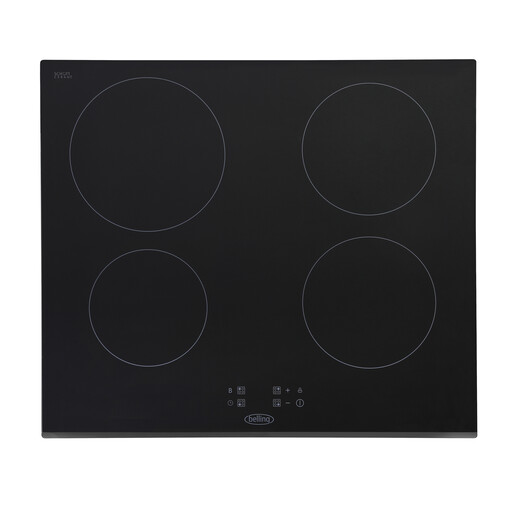 No image available
Consider this built-in model if a 60 cm hob is the format you are assessing for gravy and the rest of the meal. Compare its exact zone layout with your pans, and check the manual, worktop cut-out and electrical connection requirements before ordering.
 No image available
The four-zone layout is relevant if you need a place for the gravy saucepan while other family-meal pans are cooking. Compare pan positions on the hob, then check its low-setting guidance, worktop cut-out and electrical connection requirements.
It will need a magnetic base. Electrolux UK Support recommends checking whether a magnet sticks strongly to the base; the pan base should also be thick and as flat as possible.
Not just for an ordinary gravy saucepan. A bridge zone becomes more relevant if you regularly use a large or long pan: AEG says the Bridge function on its OIO64B00IB links two zones for larger cookware. Check whether your other pans still have the space they need.
Clear the spillage promptly, following the hob manual’s instructions for when the surface is safe to clean and which cleaner to use. Electrical Safety First advises clearing spillages to prevent a build-up of food debris and fat.