Dinner-party multi-pan cooks
If the tagine shares the hob with grains, vegetables or a sauce, check where each pan base will sit rather than counting zones alone.


Start with the bases of your tagine and side-dish pans: a four-zone hob can suit round cookware that fits its individual zones, while bridge or flex zones give you more placement options for wider or unusually shaped vessels. Check that the controls suit both initial heating and a gentle simmer, then confirm the exact cut-out, electrical connection and cookware compatibility before buying.
If the tagine shares the hob with grains, vegetables or a sauce, check where each pan base will sit rather than counting zones alone.
If you heat ingredients at the start and then leave the chickpeas and sauce to simmer, the low-heat controls matter as much as a boost setting.
If you are replacing a built-in hob, compare its required worktop opening and electrical connection with your kitchen, and check the bases of the pans you plan to keep using.
For a chickpea tagine served with side dishes, settle the pan layout first, then assess simmer control and whether the hob can be installed in your kitchen.
| Concern | What to check | Who this matters to |
|---|---|---|
| Room for several pans | Compare the tagine and side-pan base sizes with the zone layout; consider bridge or flex zones for wider cookware. | If I am making sides while the tagine cooks, I need usable positions for every pan rather than a crowded hob; around 42% of consumers put cooking space first. |
| Heat control | Look at both the boost function for initial heating and the model’s low-setting controls for simmering. | Once the liquid is hot, I want to turn the heat down and keep the tagine gently simmering; roughly 33% of consumers make heat control their primary concern. |
| Installation and cookware fit | Match the installation cut-out and connection requirements to your kitchen, and check that each pan base works on induction. | If I am replacing a hob, I need one that fits my worktop and works with the tagine I own; about 25% of consumers put compatibility and installation first. |
The opening beneath a built-in hob has its own dimensions. AEG UK gives its TO64IB00FB an appliance size of 590 × 520 mm but a built-in cut-out of 560 × 490 mm.
Measure the existing opening and compare it with the installation instructions for the exact model before ordering.
Bosch GB describes the PUG61RAA5B as Plug & Play, whereas AEG UK specifies a hardwired connection and 7,200 W loading for the TO64IB00FB. Neither arrangement should be assumed for a different model.
Check the chosen hob’s connection and loading against your kitchen’s electrical provision. Electrical Safety First recommends a registered electrician for installation or repair work.
A vessel may sit on a zone yet still be unsuitable for induction. Which? says induction cookware needs an iron-based base.
Check the tagine maker’s guidance and the base material of each side-dish pan before relying on them for the meal.
Faster initial heating does not by itself tell you how a particular hob behaves at a low setting. Which? discusses slow simmering as a separate aspect of induction performance.
Compare model-specific controls and independent reviews, where available, for the cooking stages you expect to use.
Bosch GB’s PUG61RAA5B illustrates a four-zone route for cooks whose pans fit separate zones.
AEG UK’s TO64IB00FB illustrates a 60 cm bridge-zone route if your cookware benefits from combining two cooking zones.
NEFF Home Appliances GB’s T56TT60N0 illustrates a flex-zone route for cooks who want more freedom in pan placement.
These built-in induction hobs offer different widths and zone arrangements for cooking a tagine alongside other dishes. Compare each layout with your pan bases and kitchen before choosing.
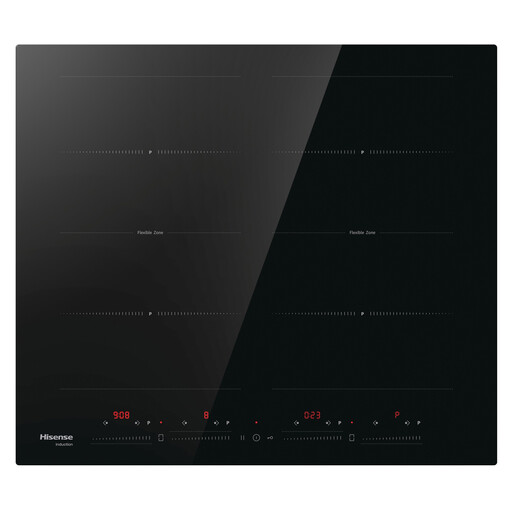 No image available
If your tagine needs a flexible cooking area, compare its base with the Area Flex layout; also check the installation requirements and low-heat controls.
 No image available
For a wider worktop position and several pans, compare its bridge area with your cookware; confirm that the installation space and electrical provision suit this model.
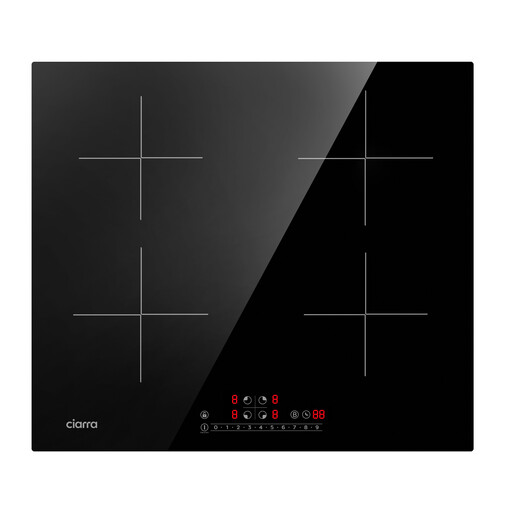 No image available
If your tagine and side pans can each use a separate zone, check their base sizes against this hob’s cooking areas and confirm its connection requirements.
 No image available
Consider this layout if your cooking pans fit separate zones, but check the worktop opening and electrical provision before arranging installation.
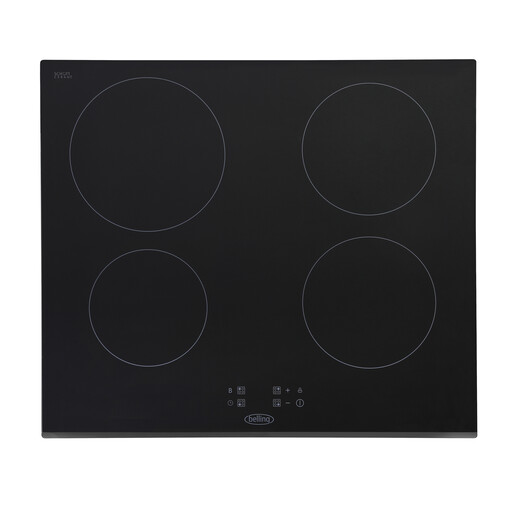 No image available
For a 60 cm built-in position, check that your tagine and side pans fit the cooking zones, then confirm the cut-out, connection and low-heat controls.
It will work only if its base is induction-compatible. Which? says induction cookware needs an iron-based base; check the tagine maker’s care information and the base of any accompanying pans.
Not necessarily: separate zones can suit a round tagine and side pans if their bases fit. A bridge or flex layout is worth considering for wider or unusually shaped cookware; AEG UK says the TO64IB00FB combines two zones, while NEFF describes flexible placement on the T56TT60N0.
No; check the new model’s connection requirements and the kitchen’s electrical provision. Bosch GB describes the PUG61RAA5B as Plug & Play, but AEG UK specifies that the TO64IB00FB is hardwired only. The worktop cut-out must also match the chosen model.
Electrical Safety First strongly recommends using a registered electrician for installation or repair work. Have the chosen hob’s connection and loading checked against the kitchen’s provision before arranging installation.