For creamy-leek batch cooking alongside other dishes, a four-zone built-in induction hob is a sensible starting point: Which? reports that induction can maintain a slow simmer, while the extra zones give you room for other pans. Consider a bridge or flex zone if your batch pan is broad or long, but check the pan base, worktop cut-out and electrical connection before choosing a model.
Who needs which setup?
Large-pan batch cooks
If you make several portions in a broad sauté pan, casserole or long pan, measure its base against the hob’s usable cooking areas. A bridge or flex zone becomes relevant when one conventional zone does not suit the pan’s shape or size.
Gentle-simmer sauce cooks
If you need to soften leeks and then keep a cream-based mixture at a gentle simmer, focus on controls you can adjust comfortably. Which? reports good slow-simmer performance from induction in its testing, but that does not establish how any particular model’s controls will feel to use.
Kitchen-fit upgraders
If you are replacing a built-in hob, compare the new model’s cut-out and connection requirements with your kitchen before deciding on its cooking features. Appliance width alone does not establish whether it will fit the existing opening.
What matters when choosing?
Start with the heat control you want for the cream-simmer stage, then check whether your largest pan and the rest of your cooking routine fit the zone layout. Confirm installation and cookware compatibility before ordering.
| Concern |
What to check |
Who this matters to |
| Gentle heat control |
Look for power controls you can adjust easily; check whether the model has a useful timer or pause function. |
When cream goes into softened leeks, I want to reduce the heat and keep the mixture gently cooking without constant pan-lifting; around 44% of consumers put low-heat control first. |
| Pan and zone capacity |
Measure the batch pan’s base and compare it with the zone layout; check bridge or flex-zone arrangements if the pan is broad or long. |
If I use a large pan while preparing another part of the batch, I need space to run both at once. For roughly 33% of consumers, pan and zone capacity is the primary concern. |
| Kitchen and cookware fit |
Compare the specified cut-out and connection with your kitchen, and confirm that your cooking pans have induction-compatible bases. |
Replacing an existing hob only works for me if it fits the opening, can be connected appropriately and heats my pans; fit and compatibility come first for around 23% of consumers. |
Buying pitfalls
-
Ordering before checking your pans
Induction needs cookware with a compatible magnetic base. An aluminium pan without one will not heat on an induction hob.
Check the large sauté pan or casserole you use for creamy leeks, as well as any side pans, against the cookware maker’s induction guidance.
You may need replacement cookware if the pans you rely on are incompatible.
-
Choosing by nominal hob width alone
The AEG IKX84443CB requires a 750 × 490 mm cut-out and a hardwired connection, while Bosch describes the narrower PWP611BB5B as Plug & Play. Their installation requirements should not be treated as interchangeable.
Measure the existing opening and consult the installation instructions for the exact model, including its ventilation and electrical requirements.
A different cut-out or connection may mean worktop alteration or electrical-installation work.
-
Focusing on boost power instead of the simmer
Boost can be useful for initial heating, but the creamy-leek stage calls for heat you can turn down and manage. A boost feature does not establish a model’s low-heat performance.
Assess the control layout and the model’s low-power behaviour; check whether its timer or pause controls suit the way you cook.
-
Treating one portable zone as a four-zone replacement
A single portable induction plate can heat one pan, but it cannot run a second pan alongside it during batch cooking.
Consider one for supplementary or one-pan use. If you routinely cook several components in parallel, compare multi-zone built-in layouts instead.
Brands to consider
AEG
Relevant if a broad batch pan makes a larger built-in surface and joined cooking zones worth considering.
- AEG specifies four zones and a Bridge function for the 80 cm IKX84443CB.
- That model requires a 750 × 490 mm cut-out and hardwired installation, so check its fit before considering it as a replacement.
Bosch
Relevant when comparing a narrower four-zone layout with other ways of accommodating a larger pan.
- Bosch lists a CombiZone on the 592 mm-wide PWP611BB5B; the separate PIX631HC1E has FlexInduction.
- Check the features and connection for the exact model rather than assuming the two Bosch hobs have the same layout or installation requirements.
NEFF
Relevant if flexible pan placement and controls for frequent heat changes matter in your cooking routine.
- NEFF lists two flex-induction zones, automatic cookware detection, Power Move and a removable TwistPad control on the T56TT60N0.
- Check that model’s installation dimensions and how its control arrangement suits you; listed features alone do not establish simmer performance.
Joybuy induction hobs
These built-in induction hobs offer four-zone and compact two-zone layouts for different batch-cooking spaces. Compare the cooking area with your pans, then check the exact installation requirements and how you would control a gentle simmer.
 No image available
Belling IHL773 BLK 77 cm induction hob
Consider its flexible bridge if your batch pan needs a larger cooking area while other pans use the remaining zones.
The product name specifies four zones, touch controls and a boost mode. Check the worktop opening, electrical requirements and your pan bases before buying; these features do not establish its low-simmer performance.
View on Joybuy
 No image available
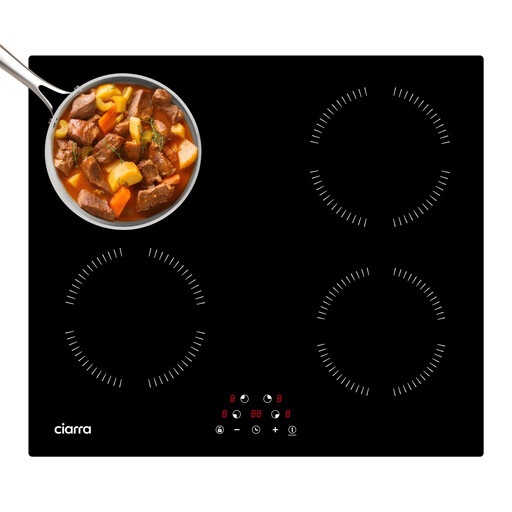
Ciarra 60 cm four-zone built-in induction hob
This four-zone layout is worth considering if you use a batch pan alongside other pans in a kitchen suited to a 60 cm hob.
Check the usable zone sizes against your largest pan, and confirm the cut-out, connection and cookware requirements for this model.
View on Joybuy
 No image available
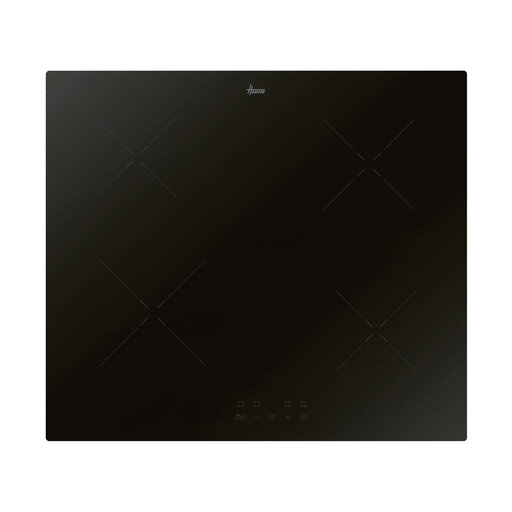
Hoover HI642BCB 60 cm four-zone induction hob
Its four-zone layout is relevant when batch cooking involves more than one pan.
Before choosing it for an existing kitchen, check the exact installation requirements, your largest pan’s fit on the zones and the compatibility of its base.
View on Joybuy
 No image available
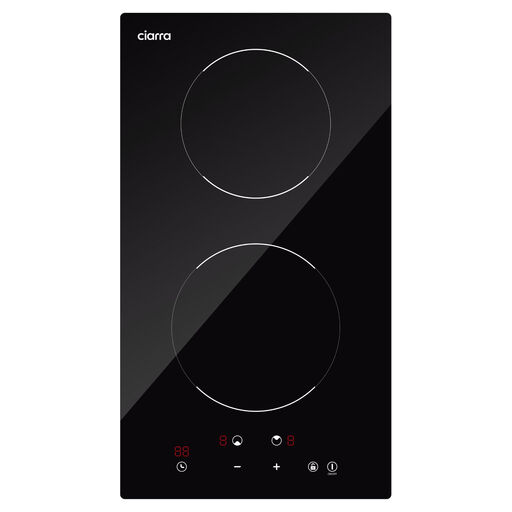
CIARRA CBBIH292T 29 cm two-zone induction hob
This compact built-in option suits a cooking routine that needs no more than two pans at once; it offers fewer simultaneous zones than the four-zone hobs above.
The product name specifies 2900 W, touch control, nine power levels and a timer. Check the cut-out, electrical connection and pan compatibility, and do not treat the number of power levels as a measured simmer result.
View on Joybuy
Common questions
Will my existing pans work on an induction hob?
They will work if they have induction-compatible magnetic bases. An aluminium pan needs a suitable magnetic base; check the pan maker’s compatibility guidance rather than judging by appearance.
Can an induction hob cook creamy leeks gently?
Yes, an induction hob can suit the gentle simmer needed after cream is added, provided you use a compatible pan and can adjust the model’s controls comfortably. Which? reports that induction maintains a slow simmer well in its testing, but you should assess the controls and low-heat behaviour of the particular hob you plan to buy.
Do I need an electrician to replace a built-in induction hob?
Check the exact hob’s connection instructions and seek a suitably qualified electrician’s advice before arranging installation. Electrical Safety First recommends using a registered electrician for electrical-installation work. In England, Approved Document P gives guidance on electrical safety in dwellings; requirements elsewhere in the UK need checking under the rules that apply locally.
Does a bridge zone make any large pan suitable?
No. A bridge zone joins cooking areas on models that offer it, but the pan still needs an induction-compatible base and must suit the joined-zone arrangement specified for that hob. Compare your pan’s base with the model’s guidance before ordering.


