Multi-pan family cooks
If you cook lentil sauce, pasta and a side at once, look at where your pans can sit and whether you can control their zones separately. A wide hob is not automatically necessary if the pans already fit your preferred layout.


A 60 cm four-zone induction hob is a sensible starting point if your sauce, pasta and side dish fit comfortably in ordinary pans. Consider flex or bridge zones if you regularly use a wide or unusually shaped pan; a wider hob makes sense only if its pan layout helps you and your worktop opening and electrical provision suit the exact model. Whichever layout you choose, check your cookware and the installation instructions, and keep enough control over a thick sauce to stir and supervise it.
If you cook lentil sauce, pasta and a side at once, look at where your pans can sit and whether you can control their zones separately. A wide hob is not automatically necessary if the pans already fit your preferred layout.
If you sauté vegetables before leaving the sauce to simmer, pay attention to how you adjust each zone and whether the controls feel comfortable to use. A thick sauce still needs stirring, regardless of any cooking-assistance feature.
If you are replacing a built-in hob, compare the existing worktop cut-out and electrical connection with the exact model’s installation instructions. Check the pans you intend to keep before choosing between a compact layout and a wider one.
Start with the pans you use together, then assess sauce control; confirm cookware and installation fit before committing to extra zones or features.
| Concern | What to check | Who this matters to |
|---|---|---|
| Space for several pans | Check usable zone positions and independent controls; consider a flex or bridge area for a wide pan. | When sauce, pasta and sides cook together, I need space to position each pan without crowding the others. Around 28% of consumers put usable cooking space first. |
| Gentle sauce control | Check low-power settings and how readily you can adjust the sauce zone. | A thick lentil sauce needs my attention after the vegetables are sautéed, so I want to ease down the heat without losing control. Gentle simmering is the primary need for around 28% of consumers. |
| Quick heat adjustment | Look at the zone controls and any boost function, without treating boost as a measure of simmering performance. | On a busy evening, I want to bring pasta water to the boil and change the sauté heat promptly. Around 22% of consumers place quick heat adjustment first. |
| Cookware and installation fit | Check magnetic pan bases, the required worktop cut-out and the exact model’s electrical instructions. | If I am replacing a hob, I need my pans, worktop and connection to suit the new model before extra features matter. Fit and compatibility come first for around 22% of consumers. |
More zones may offer useful pan positions, but a wider hob will not necessarily fit an existing opening. An AEG 780 mm example specifies a 750 × 490 mm built-in cut-out.
Measure the current opening and compare it, as well as the hob’s external dimensions, with the exact installation sheet.
A larger required opening may mean altering or replacing the worktop.
Induction requires a suitable magnetic pan base. Aluminium, copper, glass and some stainless-steel pans may not heat unless they have one.
Try a magnet on the underside of the pans you use most, then check the chosen hob’s pan-base guidance.
Pans without a suitable base may need replacing.
A boost setting for heating water does not resolve crowded pans, inconvenient controls or an unsuitable electrical connection.
Check pan placement and low-heat adjustment for the sauce first; treat boost as a separate convenience.
A lock may help prevent accidental control changes, but it does not remove the risk from hot pans or residual heat.
If children are present, check the exact model’s lock and residual-heat indication, and continue to supervise cooking and position pan handles safely.
Bosch’s UK induction range includes 60 cm and 80 cm built-in formats, with flexible-zone options on selected models.
AEG has cited 78–80 cm bridge-zone models relevant to cooks arranging several pans for a family meal.
NEFF offers flexible-zone layouts and different control formats, including TwistPad and Twist Touch on selected hobs.
These built-in 60–77 cm hobs offer conventional multi-pan layouts or a flex or bridge area for cooks who use wider cookware. Compare each model’s installation instructions with your kitchen before choosing by width or features.
 No image available
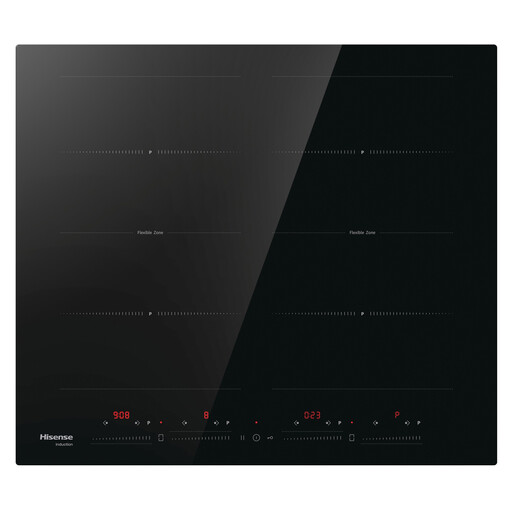
Consider this built-in model if you want a 60 cm hob with a flexible area for a wider pan alongside routine family cooking.
Check the exact worktop cut-out, electrical connection and pan-size guidance before ordering. Keep stirring and monitoring a thick sauce rather than relying on an automatic heat change.
 No image available
Its wider, four-zone bridge layout is worth considering if a large pan needs room alongside the sauce and pasta pans.
The stated cut-out is 744 × 494 mm; compare it with your worktop and the installation sheet. Confirm the connection and pan-base requirements for this model before purchase.
 No image available
This built-in 60 cm option suits consideration when your usual sauce, pasta and side-dish pans fit a conventional layout.
Its product name specifies a hardwired connection. Confirm the cut-out and electrical provision with the installer, check the pan-size guidance, and make sure its touch controls suit you.
 No image available
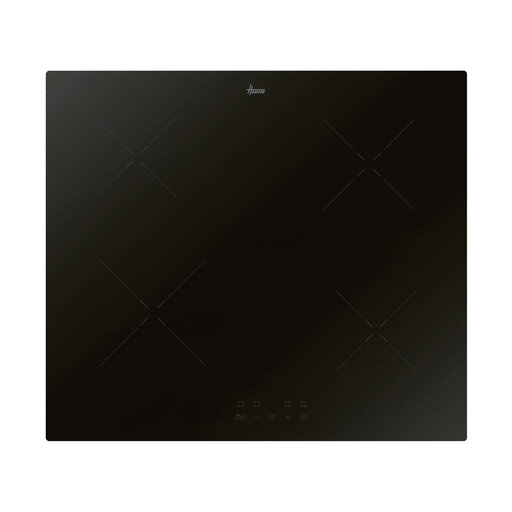
Consider its four-zone 60 cm layout if you cook the meal in several conventional pans rather than needing a bridge area.
The stated cut-out is 560 × 490 mm and the connection is described as hardwired. Check the installation instructions and electrical requirements with the installer, as well as guidance for your pans.
 No image available
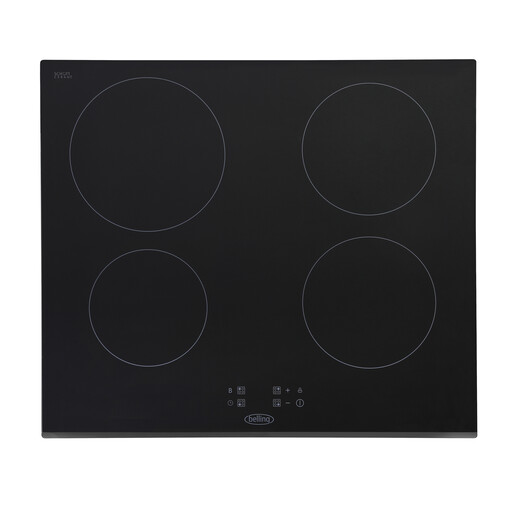
This built-in 60 cm model is one to consider if your family-meal pans fit a conventional hob footprint.
Its stated worktop cut-out is 560 × 490 mm. Check that opening against the installation sheet and confirm the connection requirements with the installer; also check that its touch controls and pan guidance suit your kitchen.
They will need a suitable magnetic base. A magnet sticking firmly to the underside is a useful initial check, but also follow the chosen hob’s instructions for pan bases and zone sizes.
It can be enough when your sauce, pasta and side-dish pans fit and you can control their zones separately. Look at flex or bridge zones if a wide pan causes crowding; consider a wider hob only after checking the worktop opening and electrical requirements.
The connection depends on the exact model. The cited AEG 78 cm models are hardwired-only, but their requirements should not be applied to every hob; use the chosen model’s installation instructions and have the proposed connection assessed before purchase.
Check the chosen hob’s connection instructions and the requirements that apply where you live and to the work being done. GOV.UK’s Approved Documents provide building-regulations guidance for England; do not assume the same installation or notification arrangements apply throughout the UK.
No. Adjustable heat can help you manage the simmer, but a thick sauce still needs stirring and supervision. Check any sensor or cooking-assistance function on the exact model rather than relying on its name.