Multi-pan dinner-party cooks
If the curry, rice and sides will overlap, compare the positions of your pan bases with the hob’s zone diagram. A zone count alone will not tell you whether the pots can sit comfortably together.


If a curry pot, rice pan, frying pan and side dishes need heat at the same time, start with a five-zone hob whose layout fits the bases of those pans; the roughly 78–80 cm built-in models described by AEG UK and Bosch UK offer examples. Bridge or flex zones are worth considering for larger cookware, but check the required worktop opening, electrical connection and whether your pans have magnetic bases before choosing.
If the curry, rice and sides will overlap, compare the positions of your pan bases with the hob’s zone diagram. A zone count alone will not tell you whether the pots can sit comfortably together.
Frying onions and spices before simmering the curry calls for controls you can use while other dishes cook. Check the exact model for individual zone controls and timers if you plan to manage several pans at once.
For a built-in replacement, compare appliance and cut-out dimensions, connection requirements and your existing cookware before settling on cooking features.
Plan the pans that will be in use together, then check the hob’s layout and controls against that plan. Measure the installation space before treating a wider model as an option.
| Concern | What to check | Who this matters to |
|---|---|---|
| Pan space and layout | Compare the bases of the pans you will use together with the zone diagram; check where a bridge or flex area sits. | When the curry, rice and sides overlap, I need usable positions without crowding a large pot. Around 42% of consumers put simultaneous pan space first. |
| Heat changes and timing | Check the exact model for independent zone controls and timers, plus any boost or cooking-assistance feature you intend to use. | I want to fry the aromatics, lower the heat for the curry and keep track of other dishes. Heat control is the primary need for around 33% of consumers. |
| Fit, connection and pans | Compare the installation sheet with your worktop opening, confirm the connection type and check that frequently used pans have magnetic bases. | Before choosing a wider hob, I need to know it can fit my kitchen and work with my cookware. For around 25% of consumers, those practical checks come first. |
A large curry pot or wide frying pan may crowd a neighbouring zone even when the hob has enough zones on paper. A bridge or flex area helps only if the cookware fits its specified arrangement.
Compare the bases of your curry, rice and side-dish pans with the exact model’s zone diagram before ordering.
AEG UK specifies a 750 × 490 mm built-in opening and a hardwired-only connection for the SK85IM0XFB. A different opening or connection plan could delay fitting that model.
Use the selected hob’s installation instructions and seek advice appropriate to the nation where the property is located and the work involved.
A mismatched opening may mean altering the worktop as well as arranging electrical work.
Induction cooking needs cookware with a magnetic base, according to NEFF UK. Check the large curry pot as well as the smaller pans.
Confirm compatibility for the cookware you use most often before choosing the hob.
Non-magnetic pans may need replacing for induction cooking.
The 6000 MultiBridge SK85IM0XFB is a 780 mm, five-zone built-in example for cooks considering multiple pans and bridge areas.
The Series 6 PXV831HC1E is an 802 mm-wide, five-zone built-in example with a flex-induction cooking zone.
The N 90 T69YYV4C0 is a five-zone option for a kitchen with room for a wider hob.
These built-in induction hobs offer choices for cooking a curry alongside other dishes. Compare each model’s pan layout and installation requirements with your kitchen rather than assuming its width or zone count will settle the choice.
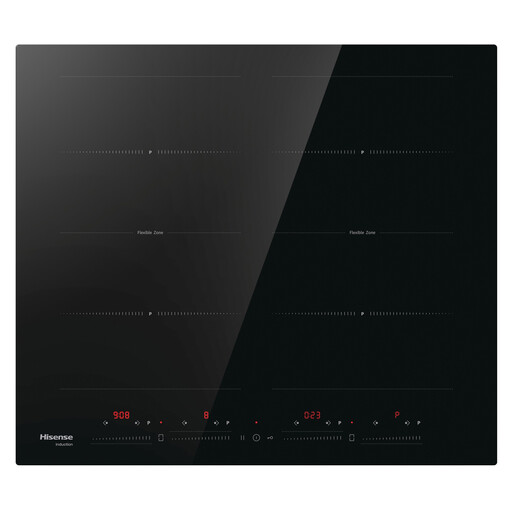 Image unavailable
Consider its Area Flex layout if you use a larger curry pan, but check the zone diagram to see how your other pans would fit alongside it.
Compare the exact cut-out and electrical connection requirements with your kitchen before ordering.
 Image unavailable
The four-zone layout may suit a curry, rice and sides if no more than four pans need heat at once; check how using the flexible bridge affects the positions available for your other pans.
The product information specifies a 744 × 494 mm cut-out. Compare the installation instructions with your worktop and confirm the electrical connection requirements.
 Image unavailable
For a 60 cm built-in option, check the zone diagram against the curry pot and accompanying pans before relying on it for simultaneous cooking.
This model is specified as hardwired. Compare its installation instructions with your worktop and connection plan before ordering.
Choose for the number of pans that must cook at once, not the guest count alone. If the curry, rice, a frying pan and a side dish overlap, a five-zone layout gives you another position compared with a three-zone layout, provided your pan bases actually fit its zone arrangement.
It will need a magnetic base to work with induction. Check the curry pot, rice pan and frying pan you intend to keep using rather than assuming all existing cookware is suitable.
Check both the appliance dimensions and the required worktop opening in the exact model’s installation instructions, then confirm its connection type. For example, AEG UK specifies a 750 × 490 mm built-in opening and a hardwired-only connection for the SK85IM0XFB.
A portable cooker can provide an additional cooking position, but plan separately for every pan that needs heat at the same time. If curry, rice and sides overlap, compare the total usable positions with those on a multi-zone built-in hob before deciding whether a portable unit meets your needs.