Compact-kitchen one-pot cooks
If soup and other saucepan meals are your main use, focus on an induction-compatible pan, manageable heat controls and a hob that fits the available worktop.


Choose a 13A plug-in built-in hob if its connection, worktop fit and total power limit suit your kitchen; consider a hardwired model when its installation requirements can be met and you want features such as bridge zones. A portable single-zone hob is another option when you need a movable position for one-pot cooking. For potato soup, check the saucepan and zone fit, then compare heat controls, timers and spill safeguards without treating them as a substitute for watching the pan.
If soup and other saucepan meals are your main use, focus on an induction-compatible pan, manageable heat controls and a hob that fits the available worktop.
If you want to minimise changes to an existing kitchen, the distinction between a model supplied for a 13A plug-in connection and one requiring hardwiring matters before you compare cooking features.
If you prepare another dish while soup cooks, consider the number and arrangement of zones as well as the hob’s footprint. Check how the chosen model manages power when several zones are in use.
Consider it when: you want a built-in four-zone layout and the exact model’s socket and installation requirements suit the kitchen.
Trade-off: check its shared power limit rather than assuming every zone can run at maximum output together. Bosch identifies its PUG61RAA5B as Plug & Play; Joybuy lists that model’s maximum connected load as 3.0 kW with a 13A plug.
Consider it when: the kitchen can accommodate the electrical work and you want a model with features such as linked zones. AEG’s TO64IB00FB has a bridge function.
Trade-off: AEG specifies a hardwired-only connection and a 560 × 490 mm worktop opening for that model; it is not a plug-in replacement.
Consider it when: you need a movable cooking position and normally use one pan at a time.
Trade-off: it needs stable, clear worktop space and cannot provide a second cooking zone. Check the exact unit’s plug, instructions and safety notices before buying.
For a small kitchen used mainly for potato soup, establish how the hob will fit and connect before comparing simmer controls and cooking-zone layouts.
| Concern | What to check | Who this matters to |
|---|---|---|
| Installation and fit | Compare the exact model’s connection requirements and cut-out dimensions with your kitchen. | If I am replacing a hob in a tight worktop, I need to know it can be fitted and connected before its cooking features matter. Around 40% of consumers put installation and fit first. |
| Simmer and spill controls | Look for usable heat settings and a timer; check what any model-specific spill response actually does. | When soup reaches the boil, I want to turn it down promptly and keep watch for spills. For around 30% of consumers, controlling the simmer and managing boil-overs is the primary concern. |
| Pan and zone layout | Check the saucepan’s induction-compatible base against the zone guidance, then decide whether one zone or space for other pans suits your cooking. | I need my soup saucepan to work on the hob and may want another pan cooking alongside it. Pan compatibility and zone layout come first for around 30% of consumers. |
Bosch identifies PUG61RAA5B as Plug & Play, while AEG specifies a hardwired-only connection and a 560 × 490 mm opening for TO64IB00FB. An external width alone cannot establish installation compatibility.
Measure the existing opening and available depth, then compare the electrical arrangement with the chosen model’s installation instructions.
Induction needs a suitable iron-based or magnetic pan base. The saucepan must also suit the selected zone’s guidance.
Check the pan’s induction marking or test its base with a magnet, and compare its base size with the hob’s instructions.
If the current saucepan is unsuitable, you will need compatible cookware for soup.
Beko says its HII64401QT cuts power if liquid reaches the control panel. That specified response does not supervise a simmering pan; Cambridgeshire Fire and Rescue Service advises against leaving pans unattended.
Use timers and shut-off features as safeguards, and take the pan off the heat if you leave the room.
A 2025 Office for Product Safety and Standards report identified a serious fire risk involving the fuse link on one specific induction cooker. It does not establish a fault across portable hobs.
Check the exact product’s plug, cable, instructions and applicable safety notices rather than relying on a generic listing title.
The PUG61RAA5B is a relevant four-zone built-in example if a Plug & Play connection suits your kitchen.
The TO64IB00FB is relevant when a hardwired hob with a bridge function suits your cooking and installation plans.
The HII64401QT is worth examining if touch controls and a stated boil-over response matter to you.
The T56TT60N0 is relevant if flexible zones and a removable TwistPad control suit your kitchen.
These built-in induction hobs offer different starting points for a soup saucepan and, where needed, other pans. Check each model’s worktop and electrical requirements as well as your saucepan before choosing.
 No image available
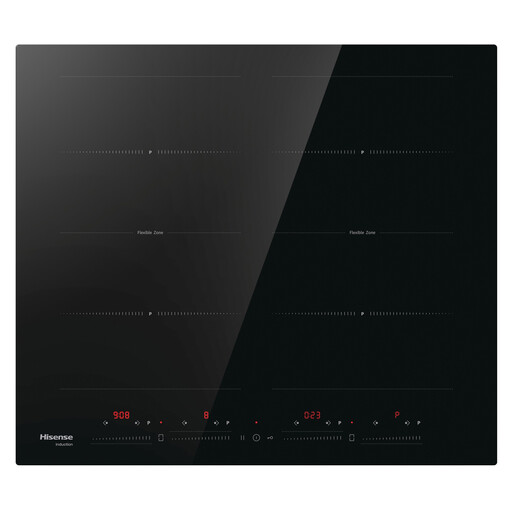
Consider this model if you want to assess a flexible cooking area for a soup saucepan or other cookware.
The product name specifies a 60 cm induction hob with Area Flex. Check the worktop opening, electrical connection and your saucepan’s suitability against the model’s instructions.
 No image available
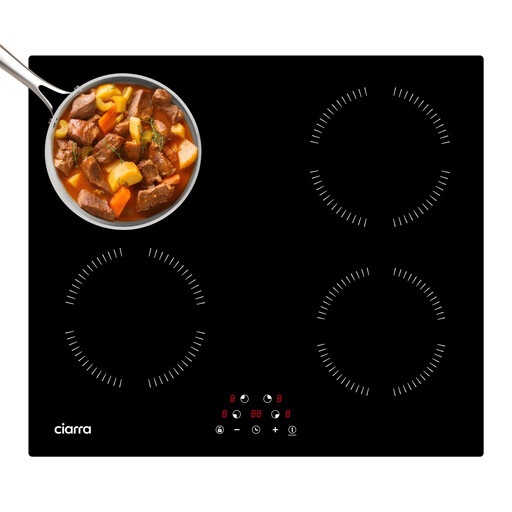
Consider a four-zone layout if you sometimes cook another dish while the soup pan is on the hob.
The product name identifies a built-in, four-zone model. Confirm the electrical connection and that your saucepan suits its selected zone.
 No image available
Consider this hardwired model if its installation route suits your kitchen and you want to compare controls for bringing soup to the boil and reducing the heat.
Check the required worktop opening, electrical supply and saucepan-to-zone fit in the model’s instructions.
 No image available
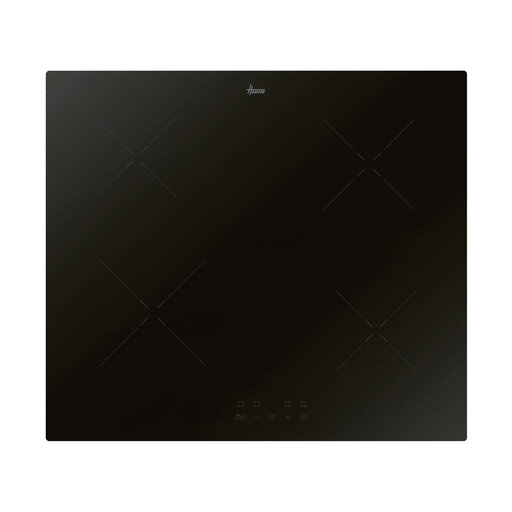
Its four-zone layout is relevant if the soup pan may share the hob with other cooking.
Check the model’s installation instructions with an installer and confirm that your saucepan suits the intended zone.
 No image available
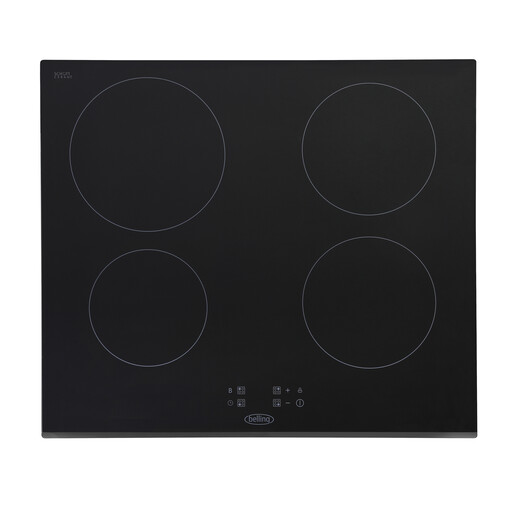
Consider this model when comparing built-in hobs for soup and occasional cooking alongside it.
Confirm its electrical connection, worktop fit and the compatibility of your soup saucepan before purchase.
It will work if it has a suitable iron-based or magnetic base and meets the chosen hob’s zone guidance. Which? advises checking for an iron-based base; look for the pan’s induction marking or test the base with a magnet.
Choose a 13A plug-in model if its connection and total power limit meet your needs; Joybuy lists the Bosch PUG61RAA5B at a maximum connected load of 3.0 kW with a 13A plug. Consider a hardwired model if its installation requirements suit the kitchen and you want its particular zone features; AEG specifies that its bridge-zone TO64IB00FB is hardwired only.
No. A safety feature responds only under its specified conditions: Beko says its HII64401QT cuts power if liquid reaches the controls. Cambridgeshire Fire and Rescue Service advises not leaving pans unattended and taking them off the heat when leaving the room.
Arrange for a competent electrician to assess and carry out the electrical installation. Electrical Safety First strongly recommends using a registered electrician for installation work; discuss the chosen hob’s instructions and your kitchen’s supply with the installer.
Check the exact unit’s plug and fuse arrangement, instructions, saucepan requirements and applicable safety notices. A 2025 Office for Product Safety and Standards report identified a serious fire risk involving the fuse link on one specific induction cooker, not portable hobs as a category.