
24/7 Customer Support

Free returns

Same-day & Next-day Delivery

Quality Guaranteed

Unlock Your Welcome Offers: FREE Delivery | Up to 80% OFF | Free 30-day JoyPlus trial
Download the APP
Replacing a hob can improve cooking speed, cleaning and kitchen layout, but the wrong choice may create expensive installation problems. Before comparing induction hobs, look beyond glossy black glass and headline wattage. The most important questions are whether the appliance fits your worktop, suits your cookware and matches your home’s electrical supply.
A 7kW built-in induction hob may offer strong combined output, but your home may require power management or a suitable hardwired connection. A portable induction cooker rated at 2,000W can be more practical for a rented property, occasional use or an additional cooking surface.
Also check whether the advertised power applies to one zone, a boost function or the total connected load. Boost modes are intended for short periods and may share power between zones.
Induction hobs heat cookware through magnetism. Aluminium, copper, glass and ceramic pans generally will not work unless they have a ferromagnetic base. Hold a magnet against the underside of a pan: if it attracts firmly, it is more likely to be compatible. The pan should also sit reasonably flat and match the zone’s recommended diameter.
A “60cm induction hob” does not necessarily require a 600mm worktop cut-out. Many models measure approximately 590–592mm wide but require a cut-out around 560 x 490mm. Larger models, such as a 77cm hob, have different requirements. Always compare the product dimensions and cut-out dimensions with your worktop before ordering.
A built-in induction hob gives a permanent, streamlined finish and is suited to kitchen renovations, landlords replacing an existing appliance or homeowners wanting four cooking zones. Most models in this category require professional installation and may be hardwired to a 220–240V supply.
A portable induction cooker plugs in or connects according to its supplied instructions and can suit renters, small kitchens, offices or temporary accommodation. It usually provides one or two cooking areas rather than four, so check whether your cookware and meal routine match the available surface.
A 2-zone induction hob can be enough for one or two people, compact kitchens or occasional cooking. A 4-zone induction hob is more suitable for family meals and preparing several dishes at once.
If you use large pans, griddle plates or roasting accessories, consider a flexible zone induction hob. Bridge or Area Flex functions combine two zones into one larger heating area. However, the cookware still needs to be suitable for induction and positioned according to the manual.
Touch controls are easy to wipe clean, but some users prefer individual sliders because they can adjust heat quickly. Look for:
An energy-efficient induction hob transfers heat directly to compatible cookware, but actual running cost depends on cooking time, selected power, household electricity tariff and how many zones are used.

Why This Fits Their Persona: This compact option suits renters, students, small UK kitchens and households needing an extra cooking surface without a built-in installation.
Its 2,000W rating clearly suits a portable format, while the stated ferromagnetic cookware requirement helps avoid unsuitable-pan purchases.
10 heat settings, six preset functions, a durable glass panel and child lock provide practical everyday control.

Why This Fits Their Persona: Its standard 60cm format and four independent zones suit regular family cooking where worktop space and installation compatibility matter.
The product information states a 560 x 490mm cut-out and includes adjustable power management, helping buyers check installation requirements before purchase.
It offers four zones, nine power levels, a booster, individual timers, child lock and residual heat indicators.

Why This Fits Their Persona: A suitable option for kitchen renovators wanting a built-in 60cm hob with detailed heat adjustment and integrated cooking assistance features.
Its specifications identify a hardwired connection, professional installation requirement and 592 x 522mm appliance size, making the practical constraints clear.
It provides 17 power levels, PowerBoost, QuickStart, ReStart and an independent timer for each zone.
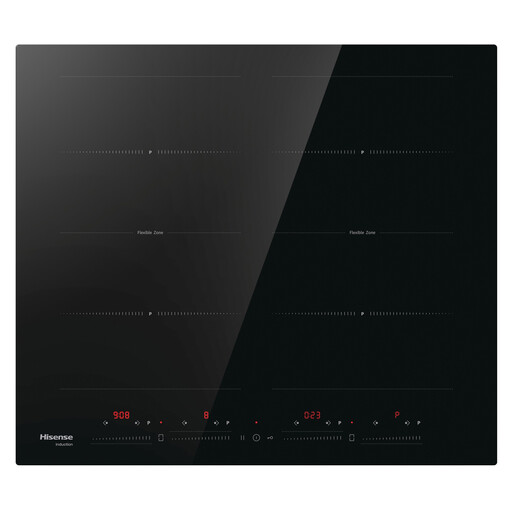
Why This Fits Their Persona: It suits batch cooking, large cookware and households that regularly prepare several dishes or use griddles.
Area Flex is a defined function for combining two zones, rather than relying on a vague claim about flexible cooking space.
Four slider controls, Rapid Boil, Heat Shift, an integrated timer, child lock and residual heat indicators support multi-pan cooking.
We have compiled a complete, real-time list of products that fully satisfy these strict selection criteria and UK safety regulations.
Before buying, confirm:
Running cost depends on energy tariffs, cooking habits and appliance settings. Induction transfers heat directly to compatible pans, which can reduce wasted heat and cooking time compared with some conventional methods. It is sensible to compare the appliance’s power rating with how often you cook and whether several zones will run together.
Many built-in models are hardwired and require installation by a qualified electrician in accordance with the manufacturer’s instructions and applicable UK requirements. A portable model may be simpler to use, but you should still follow its electrical and ventilation guidance. Never use a hob with cracked glass or an unsuitable cable or socket.
Lifespan varies with construction, installation, usage and maintenance. Keeping ventilation openings clear, avoiding impacts to the glass, using suitable pans and following the cleaning instructions can help protect the appliance. Check the manufacturer’s warranty, parts cover and labour terms before purchase rather than relying on a general lifespan promise.