Choose induction if your saucepans have magnetic, flat bases and prompt heat adjustment matters while you make the sauce. Choose a ceramic electric hob if keeping a wider range of existing pans matters more. Either way, check the zone layout, worktop cut-out and electrical requirements for the exact model before buying.
Who each choice suits
Sauce-focused dinner hosts
If you need to adjust the heat promptly while whisking cheese sauce and coordinating other dishes, induction is worth considering when your pans have magnetic, flat bases. AEG UK describes induction as heating the pan directly.
Multi-pan entertainers
If sauce, pasta and vegetables may need separate pans at the same time, look closely at the number and layout of zones. AEG UK lists four zones on the IBX64200CB; NEFF UK lists four zones and two flex induction zones on the T56TT60N0.
Cookware-and-kitchen-fit pragmatists
If you want to keep using current pans, cookware compatibility may decide between induction and ceramic. Bosch UK describes ceramic hobs as accepting a wider range of pots and pans, while induction needs magnetic cookware. For a built-in replacement, the worktop opening and electrical arrangement also need to suit the chosen model.
What to check before choosing
Induction electric hob
Choose it when: Your saucepans have magnetic, suitably flat bases and you want heat generated directly in the pan while adjusting the sauce.
Trade-off: Non-magnetic pans will not work; check the model’s supported pan sizes, and consider flex zones only if your pan sizes or placement call for them.
Ceramic electric hob
Choose it when: Continuing to use a wider range of existing pots and pans is the deciding need.
Trade-off: Bosch UK notes that the ceramic surface remains hot after switch-off, unlike induction’s direct-pan heating mechanism.
| Concern |
What to check |
Who this matters to |
| Sauce heat control |
For induction, test saucepan bases with a magnet and check their flatness and the model’s supported pan sizes. |
When I am whisking cheese sauce, I want to lower the heat promptly while keeping an eye on the rest of dinner; around 42% of consumers put sauce heat control first. |
| Usable cooking zones |
Compare the number and arrangement of zones; consider flex zones if your pan sizes or placement vary. |
If several dinner dishes need pans at once, I need enough separate cooking positions rather than focusing on one sauce zone; roughly 33% of consumers prioritise multi-pan capacity. |
| Cookware and kitchen fit |
Check existing pans, the worktop cut-out and the exact model’s installation and electrical instructions. |
I would rather keep usable pans and avoid choosing a hob that does not fit my kitchen; about 25% of consumers make cookware and installation compatibility their primary concern. |
Buying pitfalls
-
Assuming every saucepan works on induction
Induction needs a magnetic pan base, and the selected hob may specify a supported range of pan sizes.
Test the pans you use most with a magnet, then check their base shape and dimensions against the hob’s manual.
If your regular saucepans are incompatible, you may need replacements.
-
Buying by nominal hob width alone
The appliance width and required worktop opening can differ. AEG UK, for example, lists a 590 × 520 mm footprint and a 560 × 490 mm built-in opening for the IBX64200CB.
Measure the opening and available space beneath the worktop, then compare them with the exact model’s installation drawing.
A mismatched opening or connection arrangement may mean worktop alteration or electrical work.
-
Treating ceramic glass as cool after switch-off
Bosch UK notes that a ceramic electric surface stays hot after cooking, so a recently used zone needs care around guests and children.
Check whether the model has a residual-heat indicator and allow the zone to cool before cleaning it.
Brands to consider
Bosch
Bosch UK describes induction and ceramic electric hob ranges in several widths, including 30 cm, 60 cm, 70 cm, 80 cm and 90 cm formats.
- Its category guidance distinguishes induction’s magnetic-cookware requirement from ceramic’s broader pan compatibility.
- Bosch UK notes that ceramic surfaces remain hot after switch-off; check the features and installation details of the individual model.
AEG
The AEG UK IBX64200CB is a specified 60 cm, four-zone induction option with touch controls.
- AEG UK lists a 590 × 520 mm appliance footprint, a 560 × 490 mm built-in opening, a UK moulded plug and residual-heat indicators for this model.
- Induction still requires suitable magnetic cookware; check pan sizes and the installation instructions for this exact model.
NEFF
The NEFF UK T56TT60N0 is relevant if flexible pan placement matters during multi-pan cooking.
- NEFF UK specifies four cooking zones, two flex induction zones with cookware detection and Power Boost for the T56TT60N0.
- Those features are specific to this model; check the dimensions and cookware requirements rather than assuming they apply across NEFF hobs.
Joybuy product choices
These built-in hob choices cover induction models for compatible saucepans and multi-pan cooking, plus a ceramic option if keeping a wider range of cookware matters more. Check each model against your worktop opening and electrical arrangement.
 Image unavailable
Belling IHL773 BLK 77 cm induction hob
Consider this induction model if you want to make sauce while using other pans and have compatible magnetic cookware.
The product name specifies four cooking zones, a flexible bridge, touch controls and a boost mode. Check pan-size limits, the worktop opening and electrical requirements in the model’s instructions.
View on Joybuy
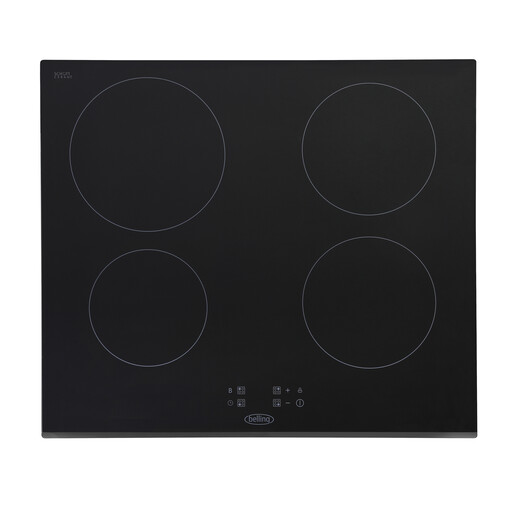 Image unavailable
Belling ComfortCook IHT603 60 cm induction hob, black
This induction option suits sauce-making if your pans have magnetic, flat bases.
Its listed size is 60 cm. Check the model’s zone layout, supported pan sizes, worktop opening and electrical instructions before choosing it for several dinner pans.
View on Joybuy
 Image unavailable
Bosch PIE631BB5E Series 4 60 cm induction hob
This is another induction route for adjusting heat during sauce-making, provided your cookware is compatible.
The product name identifies a black-glass, hard-wired variant. Confirm its supported pan sizes, worktop cut-out and electrical requirements before ordering.
View on Joybuy
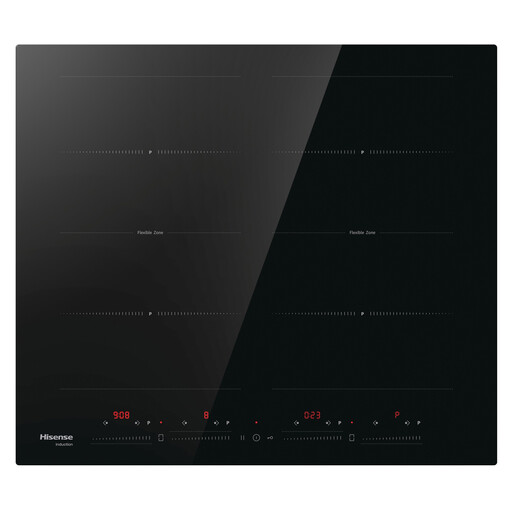 Image unavailable
Hisense HI6442BSCE 60 cm induction hob with Area Flex
Consider this induction model if flexible pan placement matters while you prepare the sauce and other dishes.
The product name identifies the Area Flex feature and a black finish. Check the exact zone arrangement, compatible pan sizes, cut-out and electrical instructions for your kitchen.
View on Joybuy
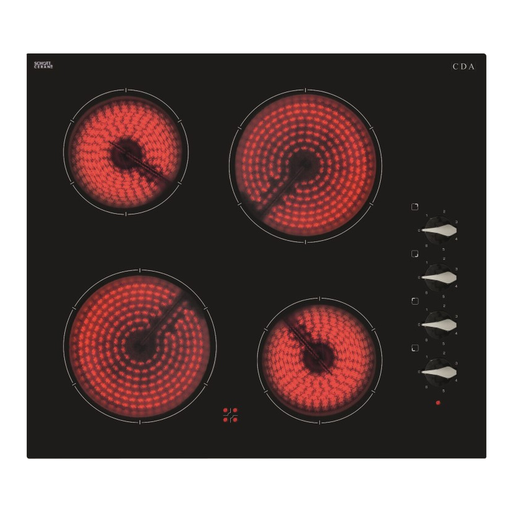 Image unavailable
CDA HC6212FR 60 cm four-zone ceramic hob
This ceramic option is worth considering if keeping a wider range of existing pans matters more than induction’s direct-pan heating.
The product name specifies four zones and a frameless black-glass finish. Allow ceramic zones to cool after use, and check the exact dimensions and electrical instructions before purchase.
View on Joybuy
Common questions
Is induction a better fit for making cheese sauce?
Induction is worth choosing if prompt heat adjustment is your priority and your saucepan has a magnetic, flat base. AEG UK describes induction as heating the pan directly; Bosch UK’s ceramic guidance points instead to broader cookware compatibility if keeping your existing pans is more important.
How many hob zones do I need for a dinner party?
Four separate zones are a useful starting point if cheese sauce must cook alongside several other pans. Check whether the zone sizes fit the pans you use; NEFF UK’s T56TT60N0 also has two flex induction zones if pan placement varies.
Will my current saucepans work on an induction hob?
They need magnetic bases to work on induction. Test each frequently used pan with a magnet, then check that its base is suitably flat and within the selected hob’s supported size range, as advised in AEG UK’s cookware guidance.
Who should check the electrical installation for a built-in hob?
Have the chosen hob’s connection requirements and your kitchen installation checked by a competent electrician; Electrical Safety First recommends using a registered electrician for installation work. Requirements depend on the work and location: GOV.UK’s Approved Document P addresses electrical safety in dwellings in England, while Scotland has separate building-standards guidance. Do not assume either set of rules applies unchanged elsewhere in the UK.


