Large-pot dinner-party cooks
If a wide polenta pot shares the hob with sauces or vegetables, check whether the pans fit together in usable positions. Four zones alone do not settle that question.


For a wide polenta pot alongside other pans, consider an induction hob with bridge or flexible zones if the pot has a magnetic base; a fixed-zone model can also work if the base fits its cooking zone. Ceramic electric is the alternative when keeping non-magnetic cookware matters more, although its surface remains hot after switch-off. With either type, check the pot, worktop cut-out and electrical connection against the exact model before buying.
If a wide polenta pot shares the hob with sauces or vegetables, check whether the pans fit together in usable positions. Four zones alone do not settle that question.
When you bring the liquid up to temperature and then stir at a lower setting, accessible controls and the ability to adjust the heat matter more than a boost feature alone.
Check whether your polenta pot works on induction before changing hob type. For a built-in replacement, the worktop opening and electrical connection also need to suit the chosen model.
For a dinner-party meal, identify the issue that would decide your purchase: controlling the heat, fitting several pans, keeping your cookware or installing the hob in your kitchen.
Consider it: When an induction-compatible polenta pot needs more placement flexibility alongside other pans.
Check: The magnetic pot base must suit the cooking area, and a wider model may require a different worktop opening or electrical connection.
Consider it: When your magnetic polenta pot fits a fixed zone and the remaining zones accommodate the other dishes.
Check: An oversized pot has less placement flexibility than it would on a suitable bridge or flex layout; connection requirements vary by model.
Consider it: When keeping a non-magnetic polenta pot is the deciding factor. Bosch UK describes ceramic electric hobs as compatible with all kinds of pots and pans.
Allow for: The ceramic surface remains hot after switch-off.
| Concern | What to check | Who this matters to |
|---|---|---|
| Heat control | Try to assess how readily you can adjust the chosen zone, and look for independent information about simmering rather than relying on boost alone. | If I am stirring polenta while preparing other dishes, I want to lower the heat promptly and keep the controls within easy reach. Around 31% of consumers would put heat control first. |
| Space for several pans | Compare the pot-base size with the zones, including any bridge or flex area, and check what space remains for other pans. | A wide polenta pot should not leave me without a workable place for a sauce or vegetables. For around 25% of consumers, usable pan space would be the primary concern. |
| Cookware compatibility | Test the polenta pot base with a magnet before choosing induction; compare ceramic electric if the pot is not magnetic. | I would rather keep cooking with my existing pot than change it to suit a new hob. Keeping cookware usable would come first for around 19% of consumers. |
| Installation fit | Compare the exact worktop cut-out, ventilation instructions and plug-in or hardwired requirement with your kitchen. | Before choosing a layout or control style, I need a hob that can be installed in the space and with the connection available. Around 25% of consumers would make installation fit their first priority. |
Bosch UK says induction requires ferromagnetic cookware. A non-magnetic pot will not work on an induction zone, and the size of a compatible pot's base still matters.
Test the base with a magnet and measure its flat cooking area. If you need to keep a non-magnetic pot, compare ceramic electric hobs.
Four zones do not necessarily leave room for a wide polenta pot and the other pans in your dinner-party meal. Bridge and flex layouts offer different placement options.
Compare your pot base with the stated zone sizes and any bridge or flex arrangement. Check the worktop cut-out before choosing a wider hob.
Bosch UK lists the PUE611BB5B as Plug & Play, while AEG UK specifies a hardwired connection for the IKX84443CB. Neither model establishes the connection required by another hob.
Read the installation instructions for the exact model and ask a registered electrician to assess electrical work where needed, as Electrical Safety First recommends.
A boost feature does not tell you how a hob behaves at the lower settings used while stirring polenta.
If low-heat control will decide your purchase, look for an independent assessment that covers simmering as well as heating speed. Which? identifies simmering as a relevant part of hob assessment.
These models illustrate different layouts and controls to compare; their features should not be assumed to apply to every hob from the same brand.
Consider AEG's IKX84443CB when a wider induction layout and a bridge area are relevant to your pot and other pans.
Bosch offers a useful model-specific example of fixed-zone induction alongside guidance for comparing induction and ceramic electric cookware compatibility.
Consider the T56TT60N0 if flexible pan placement and a removable control appeal in a 60 cm induction format.
These hobs cover both induction and ceramic electric choices. Compare each one with your polenta pot, the pans you need alongside it and the available installation space.
 Image unavailable
Consider this layout if your magnetic polenta pot needs a bridge area while other pans use the hob.
The product name specifies four cooking zones, a flexible bridge, touch controls and boost mode. Check your pot base against the cooking area and confirm the installation requirements for this model.
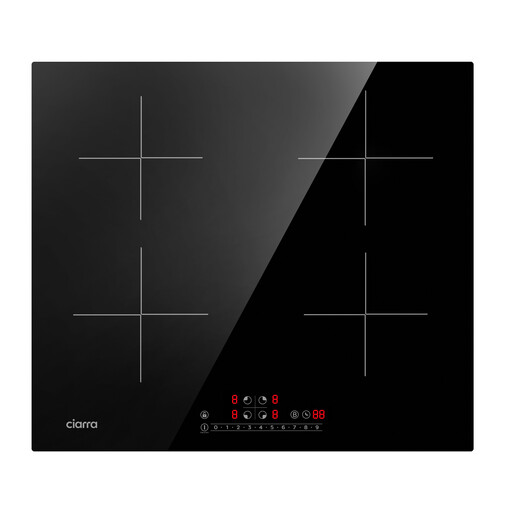 Image unavailable
Consider this fixed-zone option if your magnetic polenta pot fits one zone and the others leave room for side dishes.
The product name specifies touch controls, nine power levels and a booster function. Confirm the pot-to-zone fit and the exact electrical connection before buying; those controls alone do not establish low-heat performance.
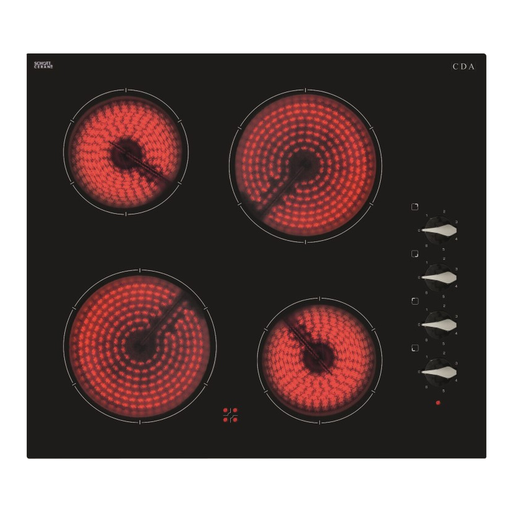 Image unavailable
Consider ceramic electric if keeping a non-magnetic polenta pot is more important than choosing induction.
This frameless hob has four zones. Check the exact cut-out, electrical requirements and zone sizes for your kitchen and pot, and allow for a hot surface after switch-off.
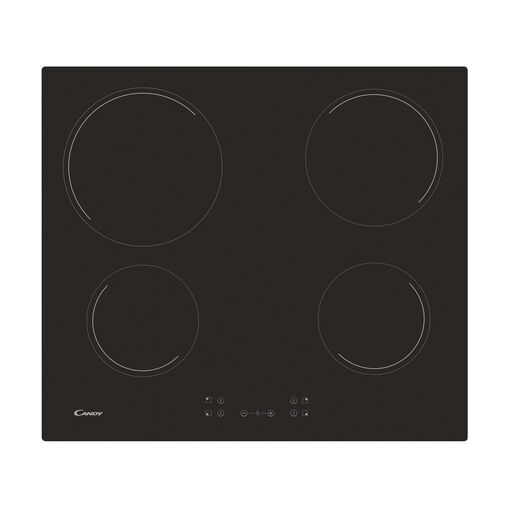 Image unavailable
This is another ceramic electric option to consider when you want to keep using a non-magnetic polenta pot.
Before choosing it, check that a zone accommodates the pot base and compare the model's installation instructions with your kitchen. Allow for residual surface heat after cooking.
It will need a ferromagnetic base: Bosch UK says induction requires this type of cookware. Check whether a magnet attaches to the base, then compare the base size with the cooking zone you intend to use.
Ceramic electric is the more compatible route if keeping that pot is your priority; Bosch UK describes ceramic electric hobs as working with all kinds of pots and pans. Plan around the surface remaining hot after switch-off, and still check that the pot fits the zone.
Measure the worktop cut-out and compare it with the exact model's installation dimensions, rather than relying on the visible hob width. Check the ventilation instructions and electrical connection as well: AEG UK, for example, specifies a 750 × 490 mm built-in opening and hardwired connection for the IKX84443CB.
Ask a registered electrician to assess electrical installation or repair work, as Electrical Safety First recommends. Give them the exact hob's installation instructions so they can check the connection required in your kitchen.
No: boost alone does not establish how the hob behaves at lower heat settings. If that is central to your choice, look for an independent assessment that covers simmering; Which? identifies it as a relevant hob test criterion.