Family cooks managing a stew's heat
You need to heat a large pot, then settle it at a gentle simmer. Induction heats the cookware directly, as Which? explains; check the controls on the particular hob you are considering.


Choose induction if you want heat generated directly in the pan as you bring a seafood stew to temperature and then reduce it to a simmer. A wider induction hob with a bridge zone is worth considering when large cookware needs more room; a radiant electric hob remains an option if you prefer its element-heated surface. Check your stew pot, worktop opening and electrical connection before choosing a model.
You need to heat a large pot, then settle it at a gentle simmer. Induction heats the cookware directly, as Which? explains; check the controls on the particular hob you are considering.
You may have a wide stockpot or fish pan alongside other dishes. The zone layout matters as much as the hob's overall width: Bosch, AEG and Neff each list zone-combining functions on selected models.
Your existing worktop opening and electrical connection may narrow the choice before cooking features do. Bosch describes selected models as Plug & Play, while AEG specifies a hardwired connection for its TO84IB00FB.
Decide whether you want induction or radiant heating, then match the cooking zones to your pots. Check the installation requirements before committing to either route.
Consider it: If a roughly 60 cm hob fits your kitchen and you want direct pan heating; the Bosch PWP611BB5B also offers a combi zone for larger cookware.
Check first: An induction hob needs suitable cookware, and its zone layout still has to accommodate your stew pot and accompanying pans.
Consider it: If you regularly use broad or elongated cookware; AEG says the TO84IB00FB can join two zones into one larger cooking area.
Check first: That AEG model requires a 750 mm-wide built-in opening and is hardwired only, so it may not fit a straightforward replacement.
Consider it: If you prefer a hob that heats elements beneath the glass; Bosch's PKH811BB1D is a radiant model with two-ring and roaster-zone options.
Bear in mind: Which? distinguishes this heating method from induction's direct pan heating. The cited Bosch model is 802 mm wide, so check the available space.
| Concern | What to check | Who this matters to |
|---|---|---|
| Heating and simmer control | Check the hob technology and the exact model's heat controls; make sure your stew pot suits the chosen technology. | If I bring a large stew to temperature and then lower the heat, I want to manage the simmer without making it too vigorous. Around 45% of consumers put responsive heating and simmer control first. |
| Space for cookware | Compare your pot's base with the zone layout and check whether joined zones would help with larger cookware. | When a broad stew pot shares the hob with other pans, I need a layout that lets me place them comfortably. For around 33% of consumers, accommodating the cookware is the primary concern. |
| Installation and compatibility | Compare the required cut-out and connection with your kitchen; check induction suitability if you are keeping your existing pot. | If I am replacing a built-in hob, I need it to fit the opening and suit my electrical setup before its cooking features matter. Installation and cookware compatibility come first for around 22% of consumers. |
The required worktop opening is not the same as the hob's external width. AEG lists a 750 × 490 mm built-in opening for the 780 × 520 mm TO84IB00FB.
Measure your existing opening and compare it with the installation sheet for the exact model before ordering.
Bosch describes the PWP611BB5B as Plug & Play, whereas AEG specifies the TO84IB00FB as hardwired only. A suitable cooking layout does not resolve a connection mismatch.
Read the model's installation instructions and check the home's electrical setup. Where electrical work is needed, Electrical Safety First recommends using a registered electrician.
A hardwired replacement may involve electrical installation work.
Which? explains that induction generates heat in the pan, while a ceramic electric hob heats elements beneath the glass. Bear that distinction in mind when judging how you will move from heating the stew to simmering it.
Choose the heating method first, then assess the controls and cookware requirements of the particular model.
A bridge or combi zone joins cooking areas for larger cookware, but an ordinary round stew pot may already fit a single suitable zone.
Measure the base of your usual pot and compare it with the hob's zones before making joined zones a priority.
Bosch lists both induction and radiant electric hobs, making its individual models useful references for comparing the two heating routes.
AEG's TO84IB00FB illustrates a wider built-in induction hob for cooks considering joined zones.
Selected Neff induction models offer flexible-zone layouts that may interest cooks using different pot and pan shapes.
These Joybuy induction hobs offer 60 cm and wider options to consider for a family seafood stew. Compare the space available for your pot, the worktop opening and the electrical connection before choosing.
 No image available
Consider this wider hob if a flexible bridge area would help accommodate your stew pot or another large pan.
It has four cooking zones and Boost Mode. Check the required opening, electrical connection and pot compatibility before ordering.
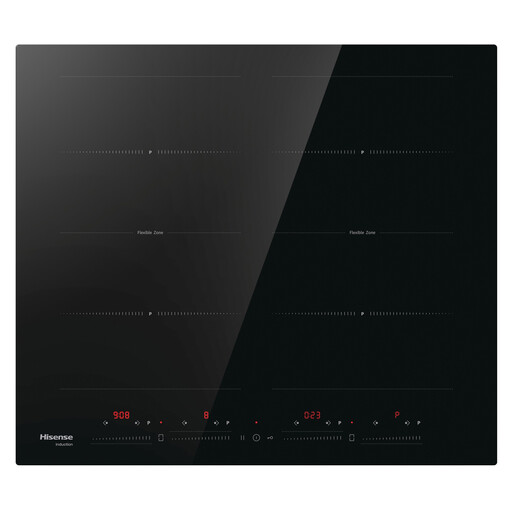 No image available
Consider this model if you want an adaptable cooking area within a 60 cm induction-hob option.
Check that your pot fits the Area Flex layout, then confirm the required cut-out and electrical connection in the installation instructions.
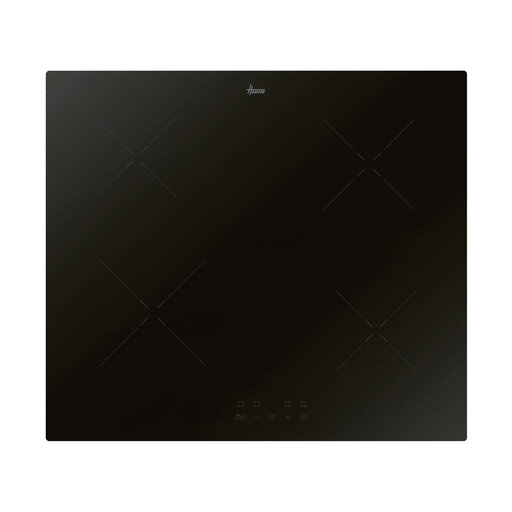 No image available
The four-zone layout is worth considering if you cook a stew alongside other pans and their bases fit the individual zones.
Check the worktop opening and hardwired installation requirements, as well as your pot's induction compatibility.
 No image available
Consider this induction model for a family stew if a hardwired hob suits your kitchen and its zones accommodate your pans.
Confirm the required cut-out, electrical supply and stew-pot compatibility before buying.
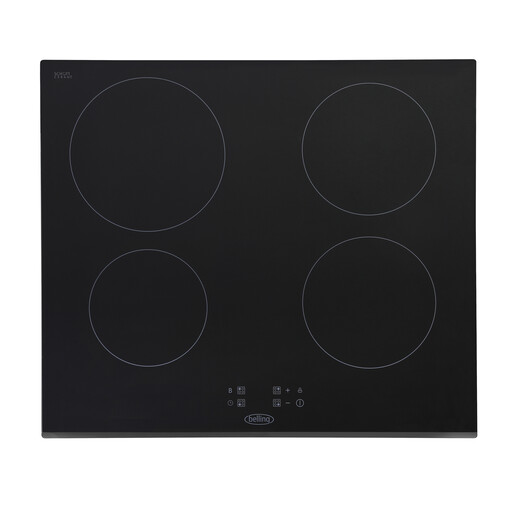 No image available
Consider this model if you are looking for a 60 cm induction hob for the stew and its cooking area fits your usual pot.
Compare the required worktop opening with your kitchen, and confirm the electrical connection and cookware compatibility.
Choose induction if direct pan heating is your priority; consider radiant electric if you prefer its different heating method. Which? explains that induction generates heat in the pan, while ceramic electric hobs heat elements beneath the glass. Your pot, available space and installation requirements still need to suit the model.
Not necessarily: start by comparing the pot's base with a standard zone. A bridge or combi zone becomes relevant when your cookware needs a larger joined area; AEG and Bosch list such functions on specific models.
No single installation approach suits every electric hob. AEG specifies a hardwired connection for the TO84IB00FB, while Bosch describes the PWP611BB5B as Plug & Play; follow the exact model instructions and check the rules applicable in your UK nation. Electrical Safety First recommends a registered electrician for installation work, and GOV.UK's Approved Document P guidance applies to England.
Check the pot's marking or ask its manufacturer before choosing induction. Induction generates heat in suitable cookware, but the heating method alone cannot establish whether your particular pot is compatible.