Who this choice affects

Frequent sauce batch-cookers

If you make caramel sauce regularly, the change from initial heating to controlled cooking matters more than a fast-heating feature alone. Which? assesses heating speed and low-temperature simmering separately when testing hobs.

Large-pan and multi-pan cooks

A wide saucepan, or other pans in use beside the sauce, makes zone size and layout worth checking. Flexible and bridge zones are features of particular models, including those described by Hotpoint, AEG and NEFF, rather than a feature of every induction hob.

Replacement-kitchen buyers

If you are replacing a hob, check your existing pans, worktop opening, space beneath the appliance and electrical supply before settling on a model. Bosch UK notes that installation measurements vary between models.

What to check when choosing

Built-in induction

Choose it when: Quick changes in pan heat matter during regular sauce-making and your saucepan has a magnetic base suited to the zone.

Trade-off: Existing non-magnetic pans will not work, and the chosen model must suit the worktop and electrical installation.

Built-in ceramic electric

Choose it when: Continuing to use non-magnetic saucepans is more important than induction's direct pan heating.

Trade-off: The glass stays hot after switch-off; assess low-heat control on the particular model rather than assuming all ceramic hobs behave alike.

ConcernWhat to checkWho this matters to
Heat control Check how readily you can reduce the setting and whether low-heat performance has been independently assessed. Treat boost as a separate feature. Once the sugar colours, I need to ease back the heat without losing track of the sauce; around 36% of consumers put responsive control first.
Pan and zone fit Compare the saucepan base with the cooking zone; consider a bridge or flexible zone only if your pan shape calls for one. When I use a wide saucepan or cook other food alongside the sauce, room for those pans drives my choice; roughly 29% of consumers prioritise pan and zone fit.
Cookware and installation For induction, check the pan's magnetic base. For a built-in hob, check the model's cut-out, ventilation and electrical requirements. I want a replacement that works with my pans and kitchen without an unsuitable installation; about 21% of consumers place compatibility first.
Spills and residual heat Look for residual-heat indication and read the model's glass-cleaning instructions; a recently used induction surface can also be hot. With sauce splashes and other people near the hob, I need a manageable cleanup and a clear reminder that the surface may be hot; around 14% of consumers put these concerns first.

Buying pitfalls

  • Assuming every saucepan works on induction

    Induction needs a ferromagnetic base, and Bosch UK advises matching that base to the cooking-zone size.

    Test the saucepans you intend to use with a magnet, then compare their base diameters with the chosen hob's instructions.

    Keeping a non-magnetic saucepan may mean using ceramic instead or obtaining a suitable pan for induction.

  • Buying by the hob's stated width alone

    The worktop cut-out, depth, space for ventilation and electrical connection depend on the model. AEG, for example, specifies a hardwired-only connection for its 80 cm IKX84443CB.

    Use the exact installation drawing to check the opening and clearances, and establish whether the available electrical supply suits the appliance before ordering.

    A mismatch can require worktop or cabinetry changes and installation rework.

  • Treating boost as the main sauce-making feature

    Faster initial heating does not tell you how manageable a hob will be when the sauce needs lower heat. Which? evaluates heating speed and gentle simmering as separate aspects of hob performance.

    Check the low settings and control layout on the model you are considering; a timer can support your workflow but does not replace watching the caramel.

  • Assuming smooth glass is safe to touch after switch-off

    Bosch UK notes that ceramic glass remains hot after use. An induction surface can also be heated by the saucepan resting on it.

    Keep people clear of the recently used area and follow the manufacturer's instructions for cleaning spills once it is safe to do so. Electrical Safety First advises clearing spillages to prevent a build-up of food debris and fat.

Relevant brands to consider

Bosch

Bosch UK describes both induction and ceramic electric hob ranges, making its model information useful when comparing pan compatibility and installation.

  • Bosch UK says its induction hobs heat magnetic cookware directly, while its ceramic models accommodate a broader range of pan materials.
  • Ceramic glass remains hot after switch-off. Bosch also says installation measurements vary by model, so use the instructions for the exact hob.

Hotpoint

The Hotpoint TB 7960C BF is a model to examine if you want named cooking functions and a flexible-zone arrangement.

  • Hotpoint lists Boiling, Melting, Keep Warm and Slow Cooking functions, along with Flexi Duo, for the TB 7960C BF.
  • Those features belong to that model; check its zone layout and installation requirements against your saucepan and kitchen.

AEG

AEG's 80 cm IKX84443CB is relevant if a larger built-in layout and a bridge function suit your pans.

  • AEG specifies four zones, a bridge function, pause and a minute minder for the IKX84443CB.
  • AEG specifies a 7,200 W total electrical loading and a hardwired-only connection for this model; check the opening and electrical installation before choosing it.

NEFF

The NEFF T56TT60N0 offers a different control arrangement to consider when moving pans between cooking areas.

  • NEFF lists flex-induction zones, Power Move and a removable TwistPad control for the T56TT60N0.
  • These are model-specific features, and its induction zones still require suitable magnetic cookware.

Joybuy hobs for this cooking task

These induction options cover built-in layouts for a kitchen replacement and portable single-zone cookers for an extra or temporary cooking space. Compare each one with your saucepan, intended batch and available installation before choosing.
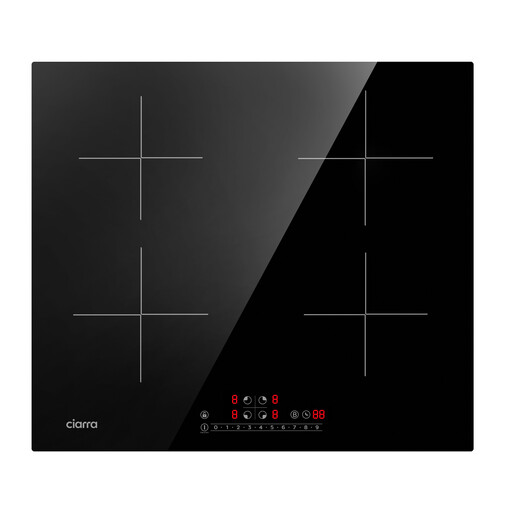
Ciarra four-zone built-in induction hob

Ciarra four-zone built-in induction hob, 9 power levels

Consider the four-zone layout if other pans need space beside your sauce. The product name specifies touch controls, nine power levels and a booster function; check saucepan fit, low-heat control and the exact installation requirements before ordering.

View on Joybuy
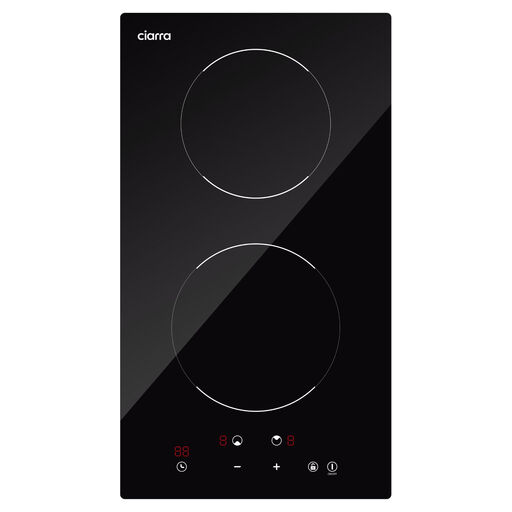
CIARRA CBBIH292T two-zone built-in induction hob

CIARRA CBBIH292T 29 cm two-zone induction hob

The two-zone built-in format is worth considering when you need a narrower cooking layout. Its name specifies 2900 W, nine power levels, a timer and a child safety lock; confirm pan fit, low-setting behaviour and installation details for your kitchen.

View on Joybuy
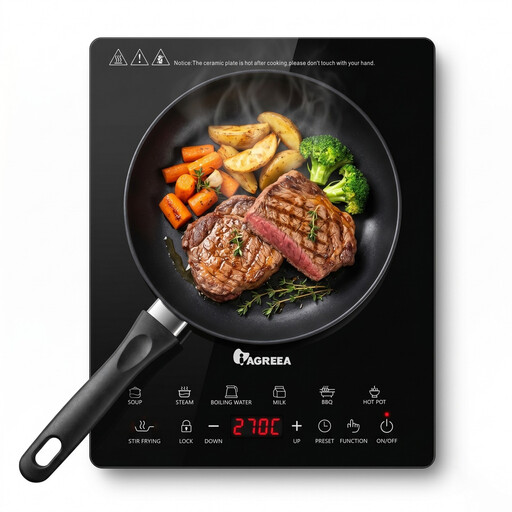
IAGREEA DF200-14V10 portable induction cooker

IAGREEA DF200-14V10 portable induction cooker, 2000 W

This portable cooker may suit an occasional extra cooking position rather than a built-in replacement. Its name specifies eight power levels, a 60–270°C temperature-control range, a three-hour timer and suitable cookware diameters of 12–26 cm; check the pan's magnetic base, the intended batch, low-heat control and supply requirements.

View on Joybuy

ochama 2000 W portable induction hob

ochama portable induction hob, 2000 W

Consider this portable option for a temporary or additional cooking position, not as a built-in replacement. Its name specifies touch control, ten power settings, six functions and a safety lock; check saucepan fit, low-heat control, timer availability if needed and electrical supply requirements.

View on Joybuy

Common questions

Is induction or ceramic better suited to batch-cooked caramel sauce?

Induction is a sensible choice when quick heat adjustment is your priority and you have a suitable magnetic saucepan; it heats the pan directly. Ceramic lets you retain a broader range of pans, but its surface stays hot after switch-off. For either type, check low-heat control on the particular model and watch the caramel throughout cooking.

Will my existing saucepan work on an induction hob?

It will work only if it has a suitable ferromagnetic base. Bosch UK advises checking that the magnetic base corresponds to the cooking-zone size, so test your saucepan with a magnet and compare its base with the chosen hob's instructions.

Do I need an electrician for a new electric hob?

Check the chosen model's connection and power requirements against your existing installation before deciding how the work should be done. GOV.UK's Approved Document P provides electrical-safety guidance for dwellings in England; requirements elsewhere and for your particular installation need checking locally. If hardwiring or circuit capacity is uncertain, consult a qualified electrician.

Which measurements matter when replacing a built-in hob?

Check the exact model's worktop cut-out, appliance depth and required ventilation space, not just its stated surface width. Bosch UK says installation measurements vary by model, so compare its installation drawing with your kitchen before ordering.

When should I clean caramel spills from a glass hob?

Follow the hob manufacturer's cleaning instructions and wait until the surface and saucepan can be handled safely. Electrical Safety First advises clearing spillages and cleaning hobs regularly to prevent food-debris and fat build-up; a residual-heat indicator is not permission to touch the glass.